Luís Represas, the Voice of Trovante, Dies at 69 on the Eve of His Half-Century on Stage
Luís Represas, founder of Trovante and one of Portugal's most beloved singer-songwriters, died Wednesday in Lisbon at 69 of advanced lung cancer. A public wake is held Thursday at the Basílica da Estrela; tributes have come from the President, parliament and musicians across the Lusophone world.
Portugal is mourning one of the defining voices of its modern songbook. Luís Represas, founder of the band Trovante and one of the country’s most beloved singer-songwriters, died Wednesday in Lisbon at the age of 69, after a prolonged illness. Blitz magazine reported that the cause was advanced lung cancer, and that the singer had been about to begin an innovative treatment at Lisbon’s Hospital de Santa Maria. He died in the very year he was to celebrate 50 years of career — with anniversary concerts already announced for April 2027 at the coliseums of Lisbon and Porto.
Born in Lisbon in 1956, Represas was not yet 20 when, in the summer of 1976, he founded Trovante with his brother João Represas and friends João Gil, Manuel Faria and Artur Costa. The debut album “Chão Nosso” arrived a year later, establishing a sound that folded Portuguese popular and traditional music into rock — a name, as Manuel Faria once explained, blending “trova” (the wandering minstrel’s song) and “avante” (onward). Through albums such as “Baile no Bosque” (1981) and “Cais das Colinas” (1983), Trovante became one of the essential Portuguese bands of the post-revolution decades, remaining active into the early 1990s and reuniting in 1999, 2006 and 2017 — and finally in March of this year, for sold-out concerts at Lisbon’s Meo Arena and Porto’s Pavilhão Rosa Mota.
His solo career began in 1993 with “Represas”, an album born of a journey to Cuba, where it was recorded with musicians including Pablo Milanés. With songs such as “Fora de Tempo”, “Neva sobre a marginal” and “Feiticeira”, it was, he later said, “a re-encounter with myself”. There followed “Cumplicidades” (1996) with pianist Bernardo Sassetti, “A hora do lobo” (1998), “Código Verde” (2000), “Reserva Especial” (2001), “Fora de Mão” (2003), a second Cuban-recorded album, “Olhos nos olhos” (2008), a joint record with João Gil in 2011, “Cores” (2014), the prize-winning “Boa hora” (2018) and “Miragem” (2024). Along the way he sang and recorded with an extraordinary range of artists — from José Afonso, Fausto Bordalo Dias, Carlos do Carmo and Jorge Palma to Phil Collins, Compay Segundo, Gilberto Gil, Ivan Lins and Martinho da Vila.
Represas also wove his music into Portugal’s recent history. A committed supporter of Timor-Leste’s independence, he accompanied then-President Jorge Sampaio on an official visit to the country and was later decorated with the Order of Timor-Leste; in 2005 the Portuguese state made him a Commander of the Ordem do Mérito (Order of Merit). Tributes have flowed from every corner of public life — President António José Seguro, visibly moved, evoked his old schoolmate during a speech in Cape Verde, and parliament’s parties presented votes of mourning.
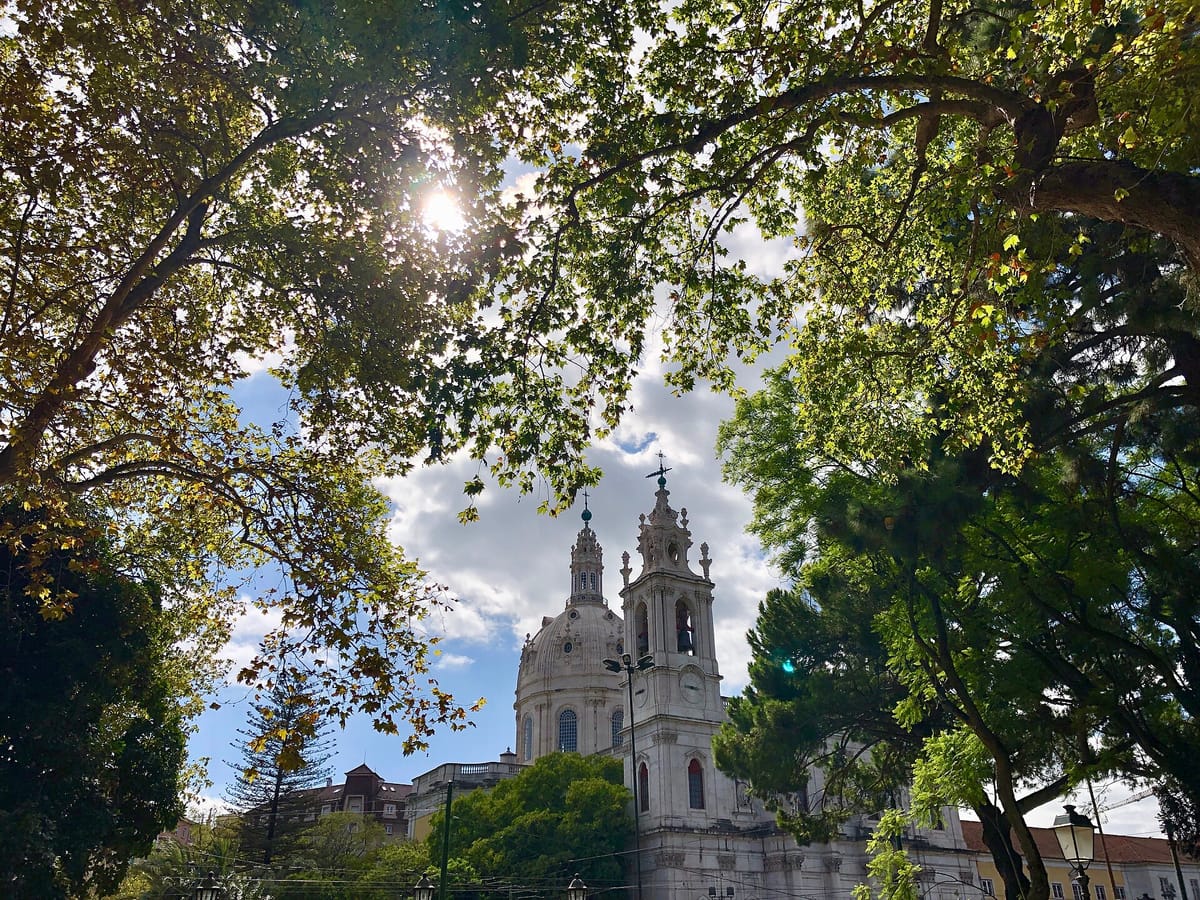
The farewell reflects the scale of the loss. A public wake is being held Thursday at the Basílica da Estrela in Lisbon from 4pm to 10.30pm, with a religious ceremony Friday at 3pm followed by a private family funeral. He leaves four children: João Nicolau, Carolina, Nuno and José Alberto.
His death comes in a week when Lisbon was already reflecting on its musical memory, as the Amália Rodrigues House-Museum opened a year of 25th-anniversary celebrations. Represas belonged to a different tradition, but to the same small company of voices in which a country recognises itself. “My fingerprint, what makes me who I am, is fundamental,” he told Lusa in 2024. “That is my boat — and it is in that boat that I have to sail.”