Lisbon's Amalia Rodrigues House-Museum Marks a Quarter-Century With Fado and Poetry
The Casa-Museu Amalia Rodrigues on Rua de Sao Bento opens a year of 25th-anniversary events on 23 July with a fado-and-poetry session on what would have been the singer's birthday. The Lisbon house has drawn over 150,000 visitors from 150 nationalities.
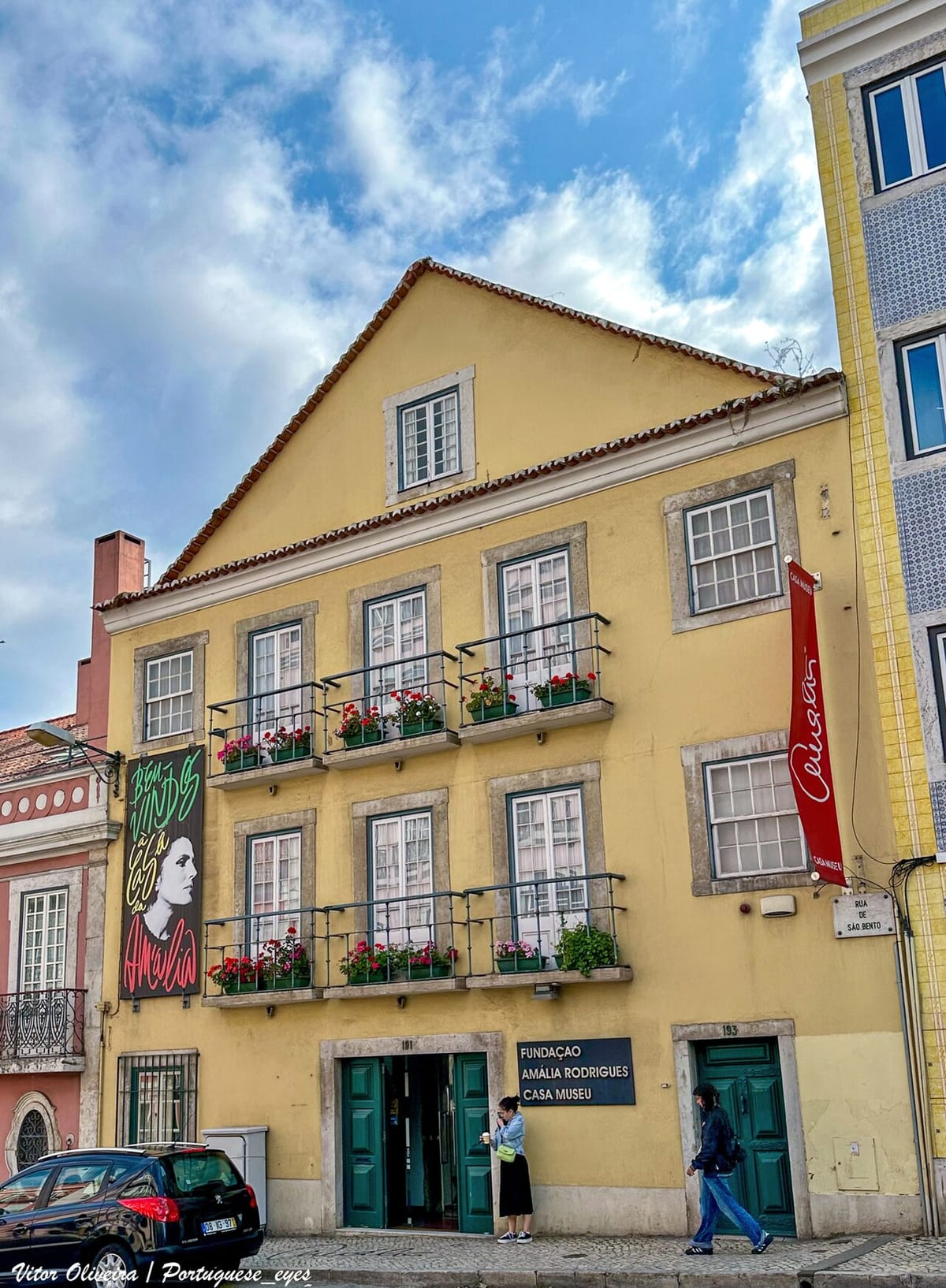
One of Lisbon’s most intimate cultural landmarks is about to turn 25, and it is marking the milestone the only way it knows how — with fado and poetry. The Amália Rodrigues House-Museum (Casa-Museu Amália Rodrigues, CMAR), the townhouse at number 191 Rua de São Bento where the “queen of fado” lived for much of her life, opens a year of celebrations this week to mark a quarter-century since it welcomed its first visitors.
The programme begins on 23 July with a session titled “Trago Fado nos Sentidos” (“I Carry Fado in the Senses”), starting at 5pm, pairing live fado with readings of Amália’s own poetry. The date is no accident: 23 July was the singer’s birthday. Born in Lisbon in 1920, Amália Rodrigues became the most celebrated voice Portugal has produced, and the museum has extended its opening hours until 7pm that day so that more people can share the anniversary.
The house itself opened as a museum on the day after its official inauguration on 24 July 2001, less than two years after Amália’s death in 1999 — an event that prompted three days of national mourning. Preserved much as she left it, the museum keeps her furniture, wardrobe, jewellery, portraits and personal objects in place, offering visitors the rare sensation of stepping directly into the private world of an artist who spent much of her life on the world’s stages.
Over 25 years, the CMAR says it has received more than 150,000 visitors from some 150 nationalities, quietly establishing itself as a meeting point for admirers from every continent. That international pull mirrors the reach of the woman it commemorates: Amália performed in more than 50 countries and on some of the most storied stages in the world, from L’Olympia in Paris and the Hollywood Bowl in Los Angeles to Lincoln Center and Carnegie Hall in New York, the Teatro Sankei in Tokyo and the Teatro Argentina in Rome. More than anyone, she carried Portuguese fado — recognised by UNESCO as Intangible Cultural Heritage of Humanity — to a global audience.
The anniversary programme stretches beyond the opening session. Over the coming months the museum plans creative workshops and guided tours offered in Portuguese, English and French, an acknowledgement of just how many of its visitors arrive from abroad. For a small house-museum tucked into a residential street near the Portuguese parliament, it is an ambitious calendar, and one designed to keep Amália’s legacy in circulation for a generation that never heard her sing live.
For residents and visitors alike, the CMAR is one of the more rewarding stops on Lisbon’s cultural map — less a grand institution than a lived-in home, and all the more affecting for it. The São Bento setting places it within easy walking distance of the Assembly of the Republic and the fado-soaked streets of the Mouraria and Alfama districts where the genre was born, making it a natural anchor for anyone tracing the music’s roots through the city.
The 25th-anniversary opening also lands at a moment when Portugal is working to widen access to its heritage, from physical visits to a new government portal putting 90 monuments and museums online for virtual tours. Amália’s house, though, makes the case for the original experience: standing in the rooms where a voice that defined a nation once lived. On what it now costs to keep a national museum open on a feriado, our report on the 60 euro availability supplement created for the front-of-house staff of Museus e Monumentos de Portugal who work a public holiday, indexed to the public pay table and backdated to April 2026 sets the latest reference.