Low-Income Households Stand to Receive Up to 15,000 Euros Toward an Electric Car in 2027, but Only About 5,500 Vouchers Await 1.5 Million Eligible Homes
Families on the electricity social tariff or below 80 percent of median income will get vouchers covering 70 to 90 percent of an electric car, up to 15,000 euros, with nothing paid up front. About 5,500 cars are funded for 1.5 million eligible homes.
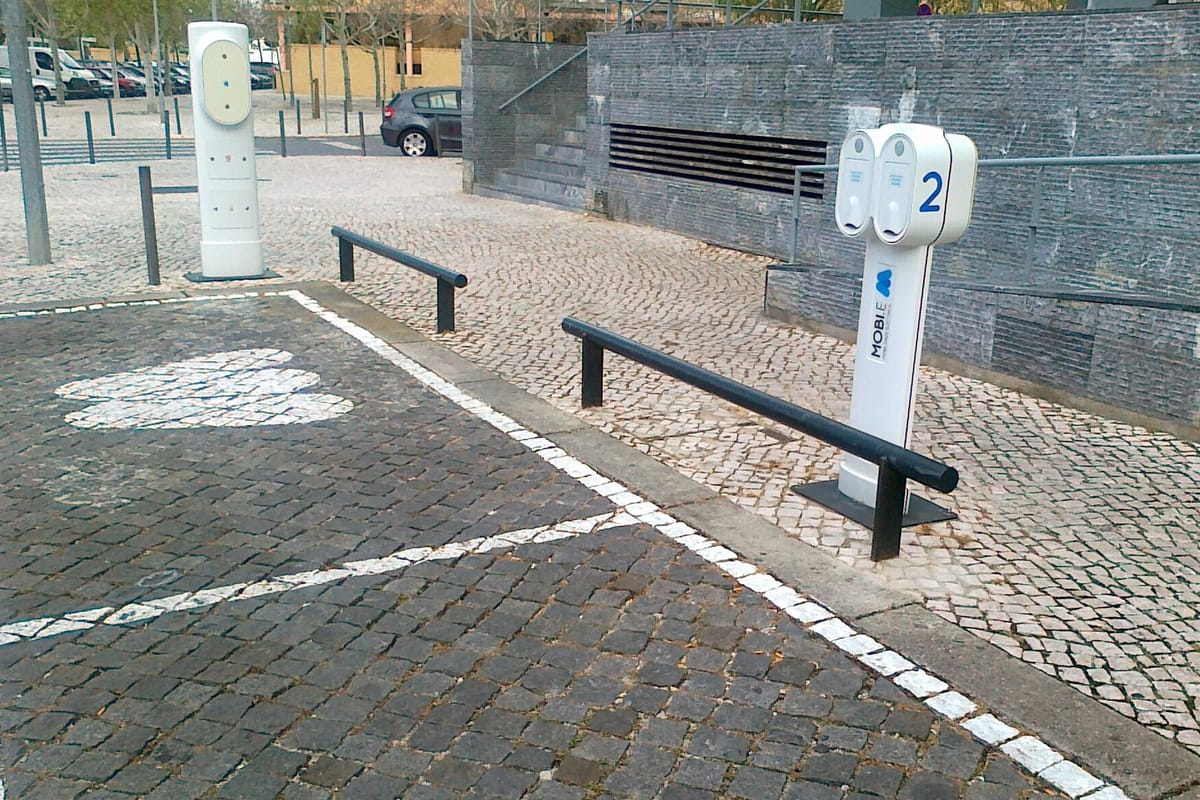
Low-income households will be able to get up to 15,000 euros towards an electric car from early 2027, paid as a voucher at the dealership so they do not have to put up the money first. The Minister of Environment and Energy, Maria da Graça Carvalho, set out the first details to journalists on Monday 2 November, as reported by Lusa via Notícias ao Minuto, and in interviews with Jornal de Negócios and Público.
The money is far scarcer than the pool of people who qualify. About 1.5 million households will be eligible, but the household strand has 104.5 million euros for about 5,500 cars. The "more than 20,000 vehicles" she cited in parliament on 28 October covers families, microenterprises and buses together.
Who qualifies
The scheme is part of the Plano Social para o Clima (Social Climate Plan), funded by the EU's Social Climate Fund. Two groups of households count as vulnerable (carenciadas):
- households on the tarifa social (social tariff) for electricity, about 750,000 of them, who will get priority;
- households with income below 80 percent of the national median, which Lusa put at up to 11,572 euros a year; Público says it is calculated per adult equivalent.
The 80 percent income line was settled after the public consultation, according to the government's consultation report. Each household may apply once.
How much, and for which cars
- The grant covers 70 to 90 percent of the price, with 80 percent as the reference, up to 15,000 euros.
- Scrapping an old car is optional and adds 1,000 euros.
- New cars and used cars under five years old qualify, but they must be bought from a dealer, not a private seller, and kept for at least three years.
- Electric passenger cars and electric quadricycles are covered. Lusa reported a price cap of 37,500 euros; Público quotes the minister saying the cap is not final but is likely to be that figure plus inflation.
In the minister's own example, given to Público, a family buying a car of about 16,700 euros with 80 percent support and the scrapping bonus would pay just over 2,000 euros. Some reports, including RTP, read 15,000 euros as a limit on the car's price, which would leave only three models on the market.
Microenterprises and buses
A further 228 million euros is set aside for about 13,700 electric vehicles for roughly 9,000 microenterprises (fewer than 10 staff and turnover up to 2 million euros), with up to two vehicles per firm and support of up to 100 percent excluding VAT. Público reports that firms must scrap a vehicle and work in one of seven fuel-exposed sectors such as taxis and construction. Another 125.5 million euros will co-fund about 700 electric buses for low-density areas.
What it means for you
There is nothing to apply for yet. The plan still needs final approval from the European Commission, which the minister expects by the end of the year, and the rules have not been published. She now speaks of applications in the first months of 2027, earlier than the second half of 2027 the ministry gave when it sent the plan to Brussels on 9 October. If you are on the social tariff and drive an old petrol or diesel car, hold on to it for now, and see our earlier report on how past Fundo Ambiental (Environmental Fund) rounds worked.
For everyone else, Público reports that the general incentive is on hold: the next round, worth 50 million euros, is not expected until around mid-2027.