Lisbon Students Urge Seguro to Veto a Decree Setting Literacy, Numeracy and English Thresholds for University Entry
They warn that a draft threshold of 276 points, above the average of 250, could exclude thousands and turn access into a "class barrier". They also oppose unfreezing tuition fees, and plan a protest on 21 October.
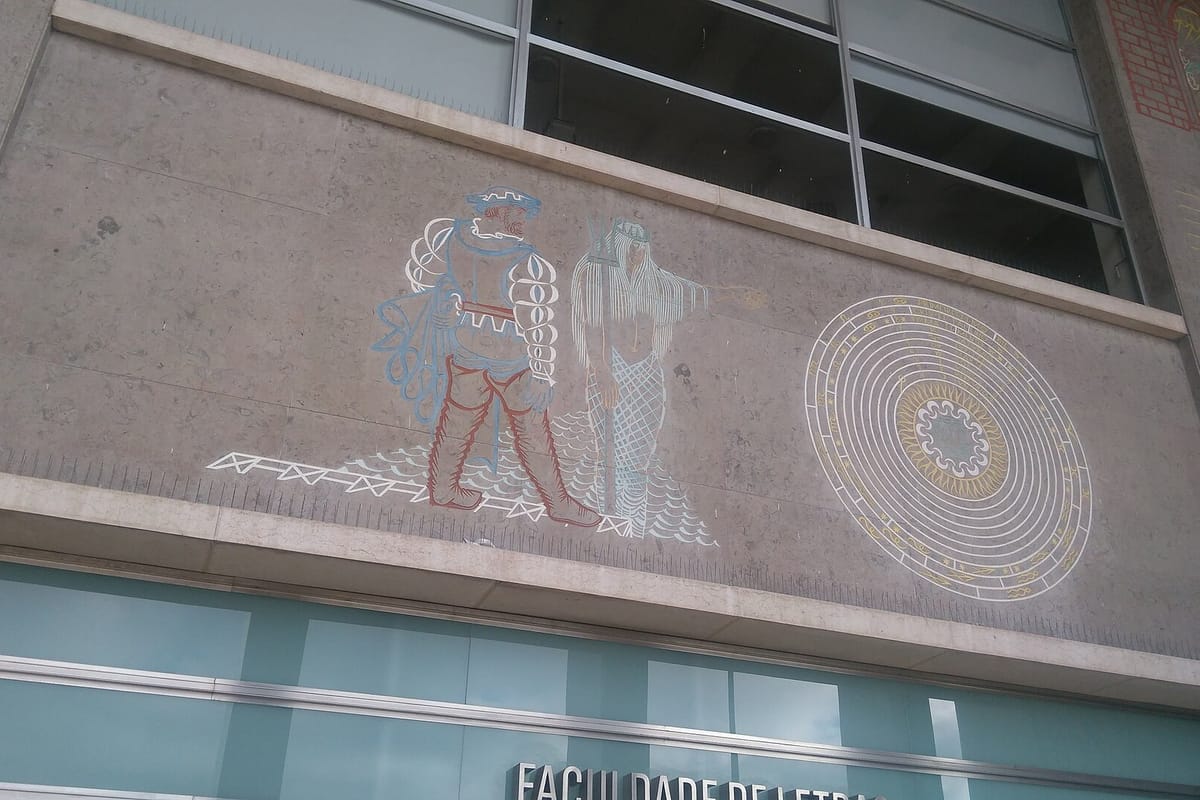
Students from Lisbon's universities and polytechnics have asked President António José Seguro to veto a government decree that would, for the first time, require minimum levels of literacy, numeracy and English for entry to higher education. They warn that the threshold set in the draft they saw would shut thousands of young people out and turn university entry into a "class barrier".
A delegation was received at the Palácio de Belém on Tuesday, although not by the President himself. They left an open letter and a clear request. "We appeal for the veto of the decree-law," David Talete and Tomás Gonçalves, of the students' association of the Faculty of Letters of the University of Lisbon, told the Lusa news agency.
What the decree changes
The text at issue is the new Regime Jurídico dos Graus Académicos e Diplomas do Ensino Superior (RJGDES), the legal framework for higher education degrees and diplomas, which the Council of Ministers approved last month. As a government decree, it now needs the President's signature, and he can promulgate it or veto it.
According to Pedro Monteiro, president of the Federação Académica de Lisboa (FAL), which represents about 40 students' associations in the Lisbon metropolitan area, the change that worries students is the requirement that candidates show minimum skills in literacy, numeracy and English to enter higher education. He said it could increase exclusion at the point of access and harm efforts to attract international students.
The open letter puts a number on the concern. Young Portuguese people score an average of 250 points in literacy and numeracy tests, it says, but the version of the draft decree the students had access to sets a threshold of 276 points in both tests. The final text has not been published, so it is not yet clear whether that figure survived.
"A class barrier"
The students argue that, without public programmes to help candidates build these skills, getting into university would come to depend on what families can pay for, turning an academic requirement into a "barrier of class". They describe the criteria as "disconnected from Portuguese reality" and accuse the ministry of a lack of transparency in the process that led to the decree's approval.
The letter is signed by the students' associations of the Faculty of Social Sciences and Humanities at Universidade Nova de Lisboa and of the Faculties of Letters, Fine Arts and Psychology and the Institute of Education at the University of Lisbon.
Fees are the other grievance
The students also used the meeting to repeat their opposition to unfreezing tuition fees, which the 2027 State Budget proposal would allow from the next academic year. We set out what the budget bill changes for households, including the fees, last week. Pedro Monteiro said a rise would be an obstacle to studying and would run against the goal of free higher education.
Belém's response was that every message would be passed on to the President. The students plan a protest outside the seat of government in Lisbon on 21 October at 17:00.
Why it matters
The dispute comes at a moment when access is already under scrutiny: the final access round this year opened with 3,256 places, most of them at polytechnics. Whether the President signs, vetoes or asks the government to revise the decree will decide whether a literacy, numeracy and English test becomes part of the route into Portuguese higher education.