Lisbon-Setúbal Port Pencils a €1 Billion 2025-2035 Decarbonisation Envelope at the Second CPLP Climate Congress — Offshore-Wind Shipyard, Onshore Power Supply and Tagus Navigability Anchor the Stack
Lisbon-Setúbal Port unveiled a €1 billion 2025-2035 decarbonisation and climate-adaptation envelope at the second CPLP Climate Congress — funding Onshore Power Supply at all berths, an offshore-wind manufacturing base at the Setúbal naval shipyards, Tagus dredging and Ro-Ro modal transfer.
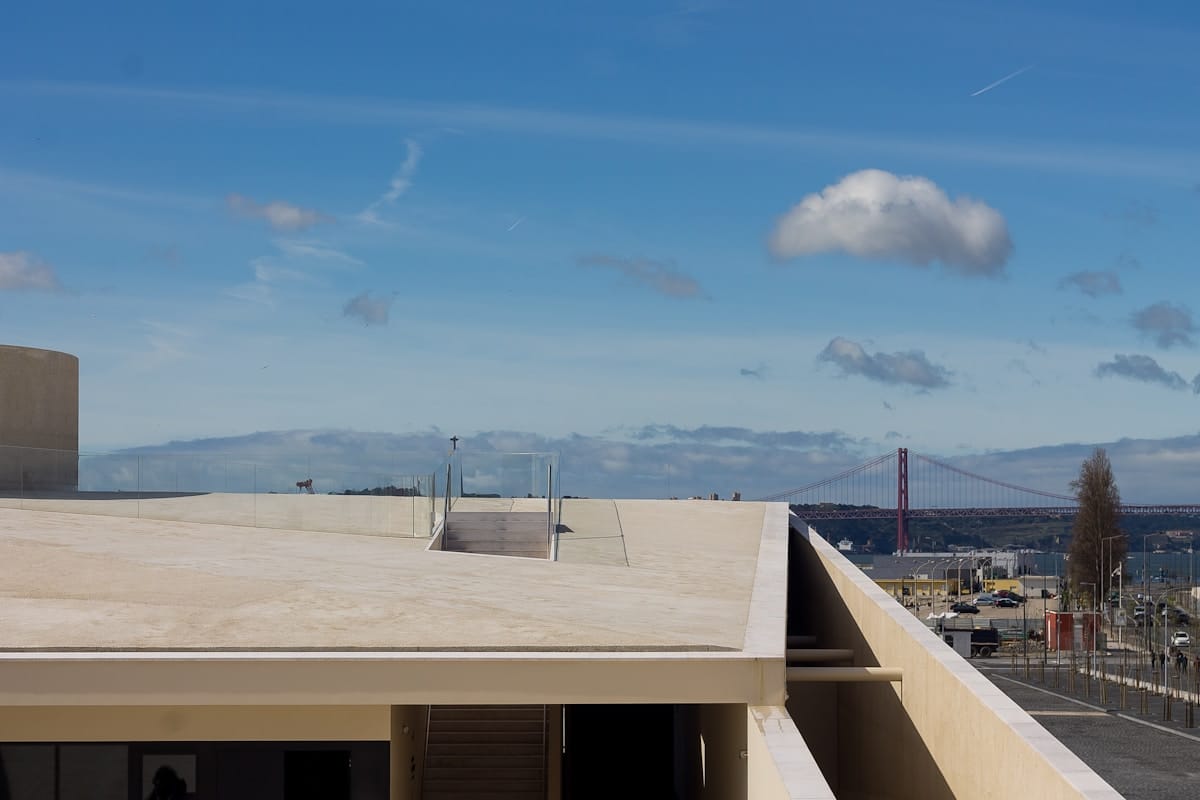
The Porto de Lisboa-Setúbal management — the operational structure that since 2024 combines the Administração do Porto de Lisboa (APL) and the Administração dos Portos de Setúbal e Sesimbra (APSS) under a single executive — presented a €1 billion investment strategy for decarbonisation and climate adaptation covering the 2025-2035 horizon at the second Congresso CPLP (Comunidade dos Países de Língua Portuguesa, Community of Portuguese-Speaking Countries) on the Impact of Climate Change on Transport Infrastructure, held in Lisbon on Thursday and Friday.
The Framing: Two Ports, One Vision
Vítor Caldeirinha, the executive who has run APSS since 2023 and who now leads the merged Lisboa-Setúbal vehicle, framed the envelope under the slogan 'Two Ports, One Vision and Two Gateways' — a pitch designed to align the joint plan with the Government's Portos 5+ strategy announced in summer 2025, which envisages 15 additional port concessions and €4 billion of total port investment through 2035, of which roughly 75% is expected to come from private capital.
The Five Pillars
The €1 billion envelope splits across five operational pillars:
- Ro-Ro terminal and modal transfer: Conversion and expansion of the Terminal Ro-Ro (roll-on/roll-off, used for vehicle and trailer cargo) at Setúbal, paired with a programme to move container and bulk traffic off road and onto rail and short-sea shipping.
- Multipurpose terminal and circular economy: Reconfiguration of the Terminal Multiusos with a circular-economy frame — recovering scrap metal, recycled construction aggregate and end-of-life vehicle flows through the port for re-export.
- Offshore-wind shipyard: Conversion of part of the Estaleiros Navais de Setúbal (Setúbal naval shipyards) into an offshore-wind manufacturing and assembly base, positioned to feed the floating-wind installations that the Direção-Geral de Recursos Naturais, Segurança e Serviços Marítimos (DGRM) is permitting off the Viana do Castelo, Figueira da Foz and Sines coastlines. This is the pillar that introduces the most strategic ambition into the plan.
- Onshore Power Supply (OPS): Rollout of OPS — also called cold ironing — across the principal berths at Lisbon and Setúbal, allowing docked vessels to plug into the grid and shut down their auxiliary diesel engines. EU rules under the Alternative Fuels Infrastructure Regulation (AFIR) require Lisbon, as a Trans-European Transport Network (TEN-T) core port, to install OPS at all container, ro-pax and cruise berths by 1 January 2030, so the pillar is partly a compliance build.
- Tagus navigability: Dredging, channel maintenance and digital nautical-chart upgrades to keep deep-draught calls viable as sediment patterns shift under climate stress.
The CPLP Format
The Congress itself, hosted in partnership with the Associação dos Portos de Língua Portuguesa (APLOP, Association of Portuguese-Speaking Ports), brought together port authorities and regulators from Angola, Cabo Verde, Guiné-Bissau, Mozambique, São Tomé e Príncipe and Timor-Leste, alongside Brazilian participants. The format is deliberately experience-sharing: Mozambique and Cabo Verde are already exposed to sea-level rise and cyclone intensification well beyond what Portuguese ports face, so the technical exchange runs in both directions.
What This Means for Residents and Operators
- For Lisbon and Setúbal residents: The OPS pillar should materially reduce the diesel emissions and low-frequency engine noise from docked cruise and ro-pax vessels — particularly at Santa Apolónia and at the Setúbal ro-pax terminal. The compliance deadline is 1 January 2030.
- For maritime contractors: The offshore-wind manufacturing pillar at the Estaleiros Navais de Setúbal opens a procurement pipeline that should begin to crystallise once the DGRM permitting tape for Viana do Castelo, Figueira da Foz and Sines clears its next batch.
- For logistics operators: The Ro-Ro modal-transfer strand is the strand most likely to redraw current road-haulage flows. Expect tendering on rail-port connection upgrades through 2027.