Lisboa's Casamentos de Santo António Bind 16 Couples Across 11 Freguesias as the 20-Largo Procissão Carries the Imagem Through Alfama on the Feast Day
Lisboa celebrated Santo António's municipal holiday — the city's patron saint — in two acts. On Friday 12 June, the Câmara Municipal de Lisboa (Lisbon City Hall) hosted the civil ceremonies for the Casamentos de Santo António at the Salão Nobre...
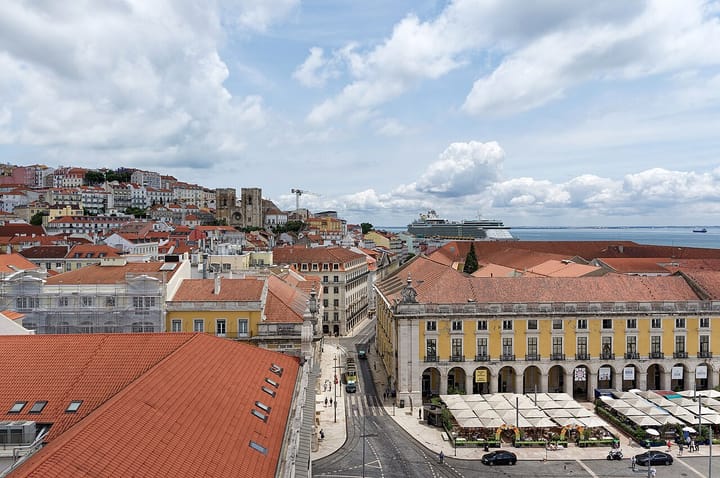
Lisboa celebrated Santo António's municipal holiday — the city's patron saint — in two acts. On Friday 12 June, the Câmara Municipal de Lisboa (Lisbon City Hall) hosted the civil ceremonies for the Casamentos de Santo António at the Salão Nobre (Noble Hall) at 11:30, while the religious rites followed at the Sé de Lisboa (Lisbon Cathedral) at 14:00. Sixteen couples, drawn from 11 freguesias (parishes) and representing more than six nationalities, signed the registers. Their ages ran from 27 to 51. After the civil ceremony, the cortège of recém-casados (newlyweds) walked through the city centre to the Largo de Santo António da Sé, the symbolic anchor of the feast.
The 2026 edition keeps the city's 70-year-old social tradition intact. The Casamentos de Santo António programme — funded by the Câmara, the Santa Casa da Misericórdia de Lisboa, and a roster of corporate partners that covers wedding attire, photography, transport, and the post-ceremony reception — was created to give civil and religious marriage access to couples whose financial situation would not otherwise underwrite the day. Selection is run through the city's freguesias and weighs household income, residency in the freguesia, and the couple's connection to Lisboa's traditional community fabric. The six-nationality breakdown in 2026 reflects the demographic shift in the city's parishes since AIMA opened the residence pipeline.
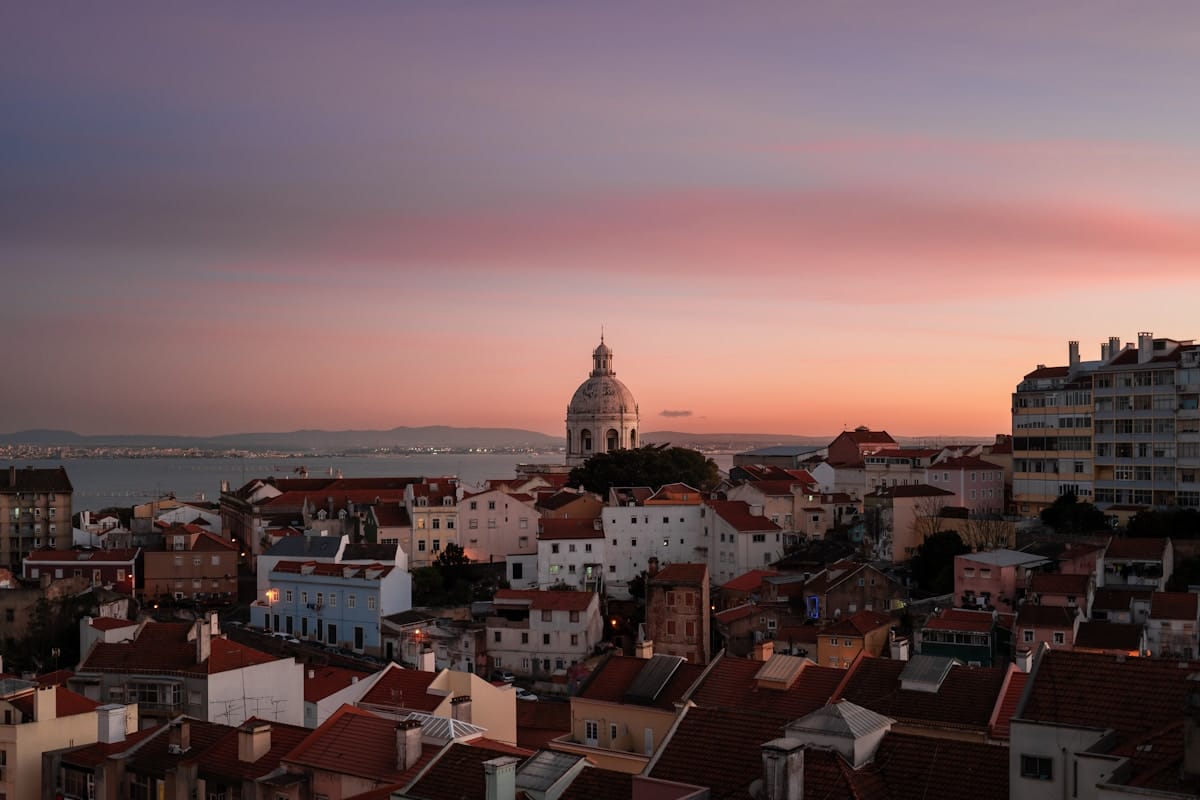
Saturday 13 June anchors the feast on the procissão. The Imagem de Santo António (the figure of the saint) leaves the Igreja de Santo António da Sé at 17:00, processes through the Largo da Sé, descends through Rua das Cruzes da Sé into Alfama, loops the Rua de São João da Praça, the Largo de São Rafael, the Rua de São Pedro, and the Largo do Chafariz de Dentro, climbs the Rua dos Remédios and the Rua do Vigário, passes through the Largo de Santo Estêvão and the Largo das Portas do Sol, returns by the Largo de Santa Luzia and the Rua do Limoeiro, the Largo de São Martinho and the Rua de Augusto Rosa, the Rua das Pedras Negras and the Travessa do Almargem, and closes back at the Largo de Santo António da Sé and the Igreja de Santo António. The 20-largo loop runs from 17:00 to roughly 19:00, with road closures in Alfama, Sé, and Castelo published earlier this week by the Câmara.
The Marchas Populares (Popular Marches) returned to the Avenida da Liberdade on Friday night as the third pillar of the calendar, with the 20 competing bairros marching under the 2026 banner Somos Lisboa, Somos Europa (We Are Lisbon, We Are Europe) — a 40-year tribute to Portugal's EEC accession. The 3,820-bleacher format remained, with parade entry at 21:00 and the city's televised broadcast taking the night through to midnight.
The economic side of Santo António is not trivial. The Associação de Turismo de Lisboa (Lisbon Tourism Association) estimates that the Festas de Lisboa cycle (1 to 30 June) sustains hotel occupancy through the shoulder-season weeks that bridge spring city breaks and the July summer rush, and the food-and-drink line — sardinhas assadas (grilled sardines), caldo verde (green broth), pão com chouriço (chorizo bread), and the Tejo-rim arraiais (popular festivals) — concentrates spending in the city's traditional bairros, where the AL (alojamento local, short-term-rental) tightening this spring has compressed visitor flow.
Saturday's procissão closes the religious half of the calendar. The arraiais run for another two weeks, with São João on 24 June (the patron saint of Porto) and São Pedro on 29 June (the patron saint of fishermen) bracketing the rest of the Santos Populares month.