Judges on High-Profile Cases Draw Anonymous Complaints That Are Mostly Shelved, Judicial Council's Vice-President Says as It Turns 50
The CSM's vice-president says judges with high-profile cases, Ivo Rosa among them, face many anonymous complaints that are nearly always shelved. The council marks 50 years with about a thousand participants in Lisbon from Tuesday.
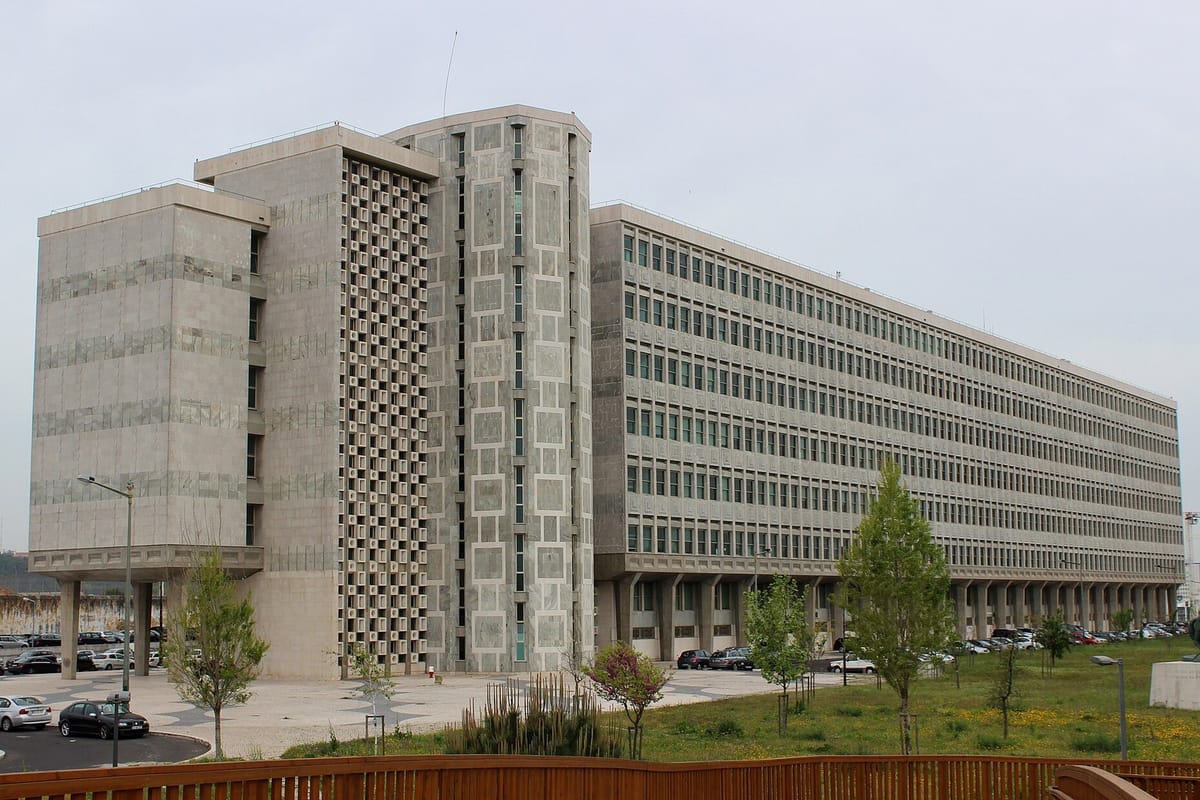
Judges who handle high-profile cases are the target of actions meant to discredit them, and of many anonymous complaints that are almost always shelved, the vice-president of the Conselho Superior da Magistratura (CSM, the High Council for the Judiciary, which appoints, moves, evaluates and disciplines judges) said in an interview with Lusa published on Sunday.
Luís Azevedo Mendes was speaking ahead of the council's 50th anniversary and was asked about Ivo Rosa, the appeal court judge who in 2021 issued the pre-trial ruling in Operação Marquês (Operation Marquis), the case involving former prime minister José Sócrates. In May, Lusa reported, Ivo Rosa wrote to President António José Seguro and to the Speaker of parliament, José Pedro Aguiar-Branco, accusing the Ministério Público (Public Prosecution Service) of persecuting him by opening eight criminal inquiries against him, all of which were closed.
"In general, they are all shelved"
Azevedo Mendes said Ivo Rosa was not the only judge investigated. "An anonymous complaint with a minimum of consistency is enough for there to be a criminal inquiry," he told Lusa. "The Public Prosecution Service informs me of all of them, and there are many. In general, they are all shelved, and for most of them the judges do not even know."
He linked this to "intensely mediatic" cases and said such actions aim "to wound independence". "That is what the Council is here for, to give judges confidence when it is needed," he said.
He also called for "an enormous programme to rehabilitate the courts", like the one carried out in schools, saying the problem is not money but the capacity to spend it.
Fifty years and about a thousand participants
The anniversary will be marked from Tuesday 17 to Friday 20 November at the Pavilhão de Portugal (Portugal Pavilion) in Lisbon. The first Judiciary Tech Summit, which the CSM organises with the University of Lisbon Law School, runs all four days, and the council's 20th annual meeting takes place on 19 and 20 November. Azevedo Mendes told Lusa about a thousand participants are expected. According to the CSM's programme, President Seguro, Justice Minister Rita Alarcão Júdice, Lisbon mayor Carlos Moedas and the president of the Supremo Tribunal de Justiça (Supreme Court of Justice) and of the CSM, João Cura Mariano, will speak at the opening on 19 November.
The council's latest figures come from its 2025 annual report, delivered to parliament in June. Portugal had 1,939 judges at the end of 2025. The CSM opened 75 disciplinary matters that year: 24 disciplinary proceedings, 17 inquiries and 34 preliminary checks. It applied 20 sanctions, most often suspensions (six) and fines (five).
What it means for you
Under articles 217 and 218 of the Constitution, the CSM appoints, places, transfers and promotes judges in the ordinary courts and disciplines them. It is chaired by the Supreme Court president, with two members named by the President, seven elected by parliament and seven judges elected by their peers. Judges in the administrative and tax courts answer to a separate council (those courts are the ones we reported are badly backlogged in the south).
Anyone can complain to the CSM about a judge's conduct. Its complaints page says a complaint is made in writing, by post or email, and should name the judge, the case number and the court, identify the complainant and set out the reasons with evidence. A council member examines it and the complainant gets a reply. It is not an appeal court and cannot change a judge's decision: a ruling you think is wrong goes to a higher court on appeal.