Judge Remands the Ousted Chair of Aveiro's Health Unit in Custody, While Two Co-Suspects Post 25,000 Euros Bail Each
A Coimbra judge has ordered pre-trial custody for Ricardo Correia de Matos, dismissed last week as chair of the Aveiro local health unit, in the "Batas & Betão" corruption inquiry. Two co-suspects got bail; the rest of the board is running the unit.
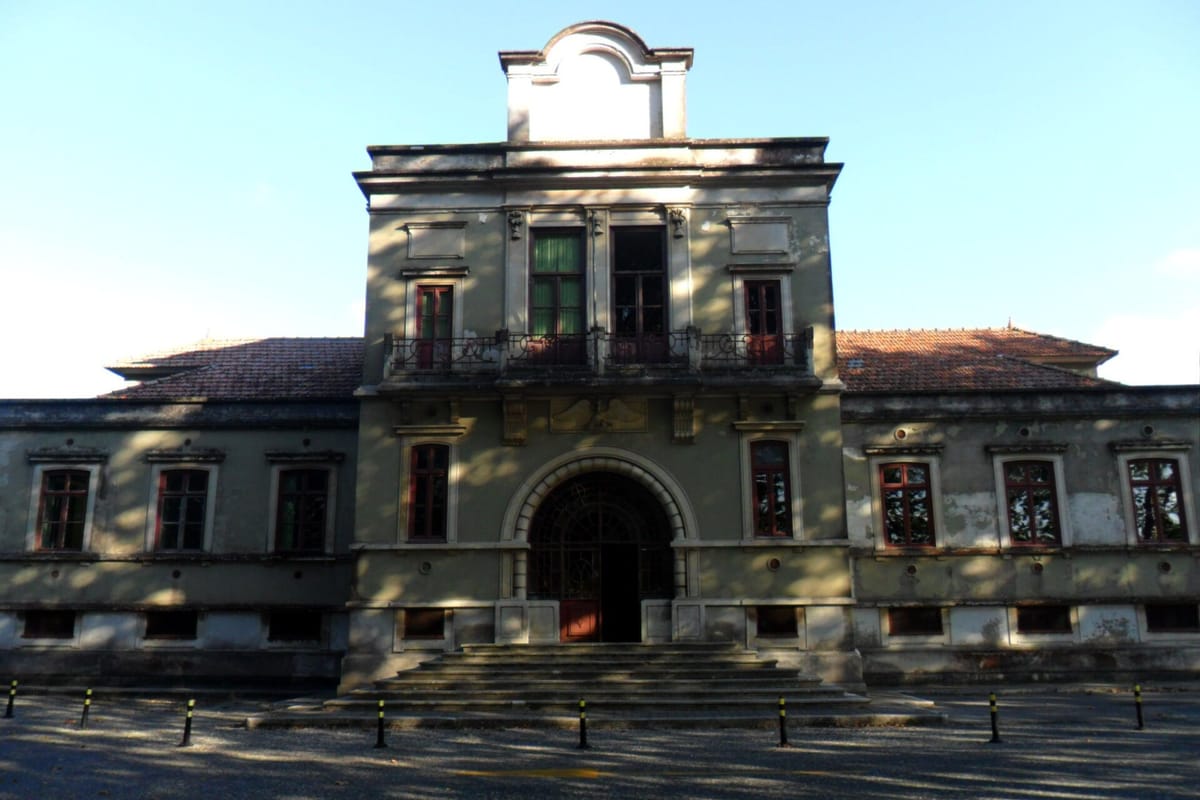
Ricardo Correia de Matos, who chaired the Unidade Local de Saúde (ULS, the local health unit) da Região de Aveiro until the health minister dismissed him last week, was remanded in pre-trial custody (prisão preventiva) on Monday 16 November. An investigating judge at the Coimbra court ordered the measure after his first judicial questioning in the inquiry the Polícia Judiciária (PJ, the criminal investigation police) calls "Batas & Betão", RTP reported. He is also barred from contacting the other suspects. He has not been charged and is presumed innocent.
We reported his detention and dismissal on 10 November: Aveiro health unit's chair is dismissed with immediate effect after police detain him in a corruption and influence-peddling inquiry. Monday's hearing set out, for the first time, the specific suspected offences and the measures for all three men.
What the judge decided
According to RTP and DN, the court found evidence pointing to the following suspected offences:
- The former chair: one count of passive corruption (described by DN as aggravated, for an act contrary to the duties of office), five of economic participation in business, one of abuse of power and one of influence peddling. He stays in custody.
- The two other suspects, described by DN as a businessman and an engineer who are friends of his: one count each of aggravated active corruption, four of economic participation in business and one of abuse of power, the last two jointly with the former chair. Each must post bail (caução) of 25,000 euros and may not contact, directly or indirectly, the other suspects or any staff or officers of the Ordem dos Enfermeiros (the nurses' professional order).
RTP says investigators suspect he favoured friends' companies in return for benefits such as building a house in Ílhavo, and that the inquiry also covers alleged irregularities in the process that chose him to chair the Aveiro unit, a post he took up in May. Público reported on 11 November that the contracts under suspicion are worth more than 1.5 million euros in total.
The prosecution service's 10 November communiqué from the DIAP Regional de Coimbra (the regional prosecution department) says the inquiry concerns contracting by three bodies (a professional order, a public-interest body and a ULS) and is covered by judicial secrecy. By Monday evening it had not published a statement on the measures.
Who runs Aveiro's hospitals now
The rest of the board has stayed in post. In a statement to Lusa published by Observador on 13 November, the remaining four members (the hospital clinical director, the primary-care clinical director, the finance member and the nursing director) said they would keep running the unit and ensure continuity of care. The health ministry has said it will choose a new management team; no new chair had been named by Monday. No change to appointments, emergency care or other services at the Aveiro, Águeda and Estarreja hospitals or the area's health centres has been announced.
What pre-trial custody means
Prisão preventiva is the most severe coercive measure in Portuguese criminal procedure and is not a sentence. The Constitution (article 32) presumes every suspect innocent until a conviction is final. Under the Código de Processo Penal (the Code of Criminal Procedure), custody may only be used when other measures are inadequate or insufficient (article 193); the judge must re-examine it at least every three months, and again if an indictment is issued (article 213); and the code sets maximum periods for each stage of the case, after which custody ends (article 215). The code also allows an appeal against the decision (article 219).