Guinea-Bissau's Domingos Simões Pereira Lands in Lisbon on a 90-Day Medical Leave That Bars Him From Politics
The PAIGC leader arrived in Lisbon on a TAP flight after a Bissau court granted him a 90-day medical leave that bars him from politics; Portugal is hosting him 'for medical and humanitarian reasons.'
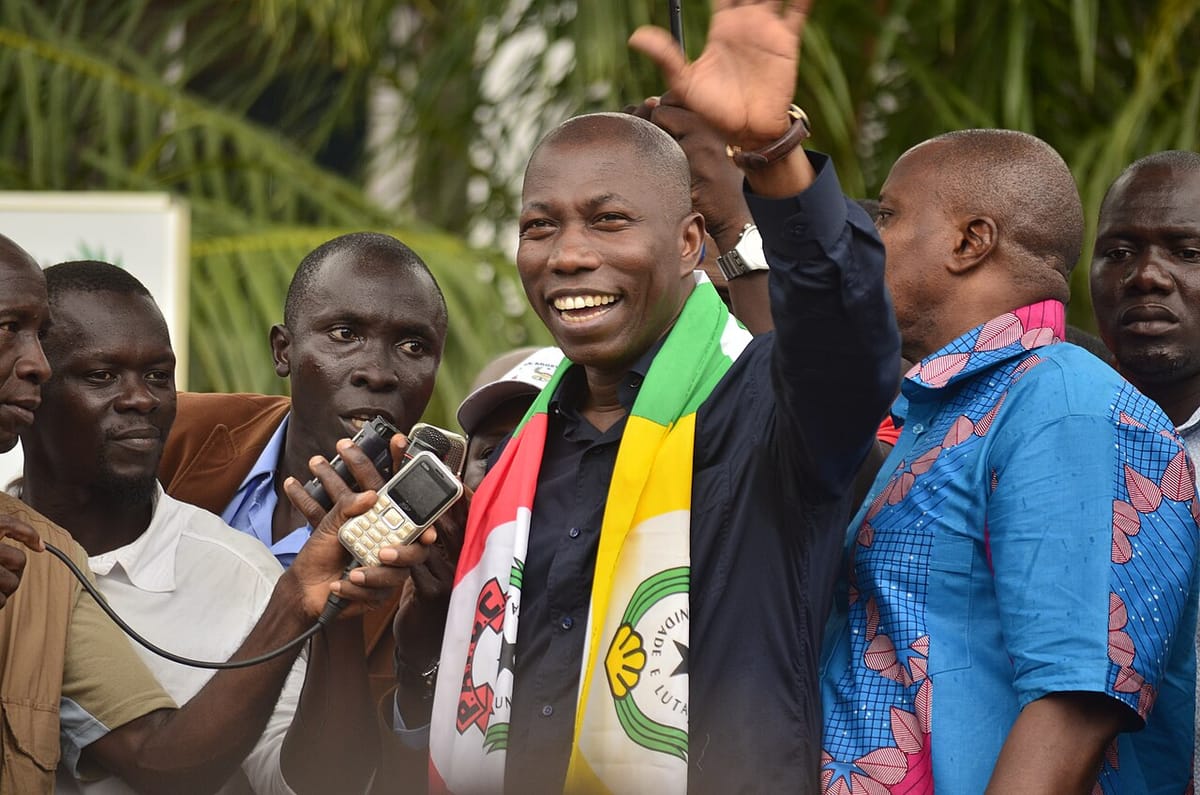
Domingos Simões Pereira, the leader of Guinea-Bissau's PAIGC (Partido Africano para a Independência da Guiné e Cabo Verde, the African Party for the Independence of Guinea and Cape Verde) and one of the country's most prominent opposition figures, arrived in Lisbon this week after a court in Bissau authorised him to leave the country for medical treatment.
The Portuguese government confirmed it would receive him “for medical and humanitarian reasons.” A judge granted him a ninety-day absence, drawing on a report from the Military Hospital of Bissau (Hospital Militar de Bissau) that concluded he needed to be examined at a specialised centre in Portugal. The authorisation came with a condition: during those ninety days he may not engage in any political activity. He travelled from Osvaldo Vieira International Airport on a TAP flight to the Portuguese capital.
Months of detention
Simões Pereira has spent much of the past year in and out of custody amid the political crisis that has gripped Guinea-Bissau, at one point held for months without formal charges — a situation that drew calls for his release from international human-rights groups. His arrival in Portugal, where the PAIGC has deep historical roots, offers him medical care and a measure of safety, even as the ban on political activity underlines how sensitive Bissau considers his movements.
On landing, he struck a defiant note, telling reporters he intended to return home to continue what he called his “combate” (fight). It was a reminder that the trip, however framed in medical terms, is inseparable from the wider struggle over power in a country that has endured repeated coups and contested elections.
A familiar role for Lisbon
For Portugal, hosting a Bissau-Guinean political figure is well-trodden ground. The two nations are bound by language, a shared colonial history and membership of the CPLP (Comunidade dos Países de Língua Portuguesa, the Community of Portuguese-Language Countries), and Lisbon has long served as a refuge and mediating presence during the former colony's recurrent instability. Framing the move as humanitarian lets the Portuguese government extend a hand without openly taking sides in Guinea-Bissau's domestic dispute.
How long Simões Pereira remains, and whether he honours — or is held to — the ninety-day limit and the bar on politics, will be watched closely in both capitals. For now, one of Guinea-Bissau's central political actors is convalescing on the banks of the Tagus, his next move, like his country's, uncertain.