Galp Rejects Capped Fuel Margins as the Energy Minister Orders ERSE to Study Them
Environment and Energy Minister Maria da Graça Carvalho has asked the regulator ERSE to study capping the commercial margins fuel firms add at the pump. Galp's co-CEO calls the idea one that 'doesn't seem to make sense', even as the group's half-year profit jumped 44 percent to 812 million euros and
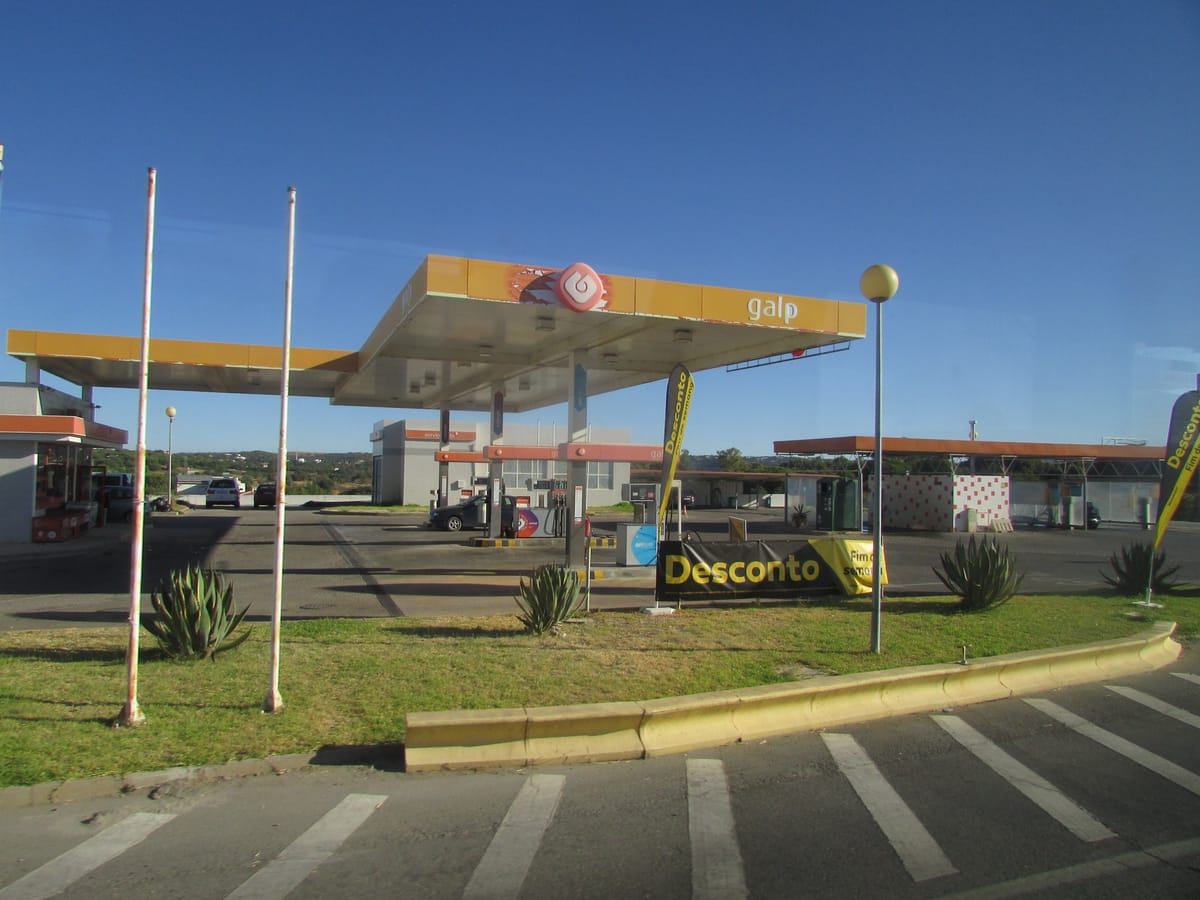
Portugal's government has asked the energy regulator to examine whether it should cap the profit margins fuel companies add at the pump — and the country's biggest oil group, Galp, has come out firmly against the idea.
The request came from Maria da Graça Carvalho, the Minister of Environment and Energy, who has asked the Entidade Reguladora dos Serviços Energéticos (ERSE, the Energy Services Regulatory Authority) to study whether to impose exceptional maximum margins on the commercial component of petrol and diesel prices — the slice retailers and distributors add on top of the raw cost of refined fuel. The move answers a long-standing consumer complaint: that pump prices climb quickly when oil rises but drift down only slowly when it falls.
Galp's leadership is unconvinced. Speaking as the company reported results, co-chief executive João Diogo Marques da Silva said capping margins "doesn't seem to make sense," pointing to poor experiences in other countries that have regulated fuel prices. He insisted the company is transparent about how it sets prices and stressed that ERSE already has full access to its data. "We are permanently available to provide the necessary information," he said.
Record profits sharpen the debate
The timing does Galp few favours in the court of public opinion. The group posted a first-half profit of 812 million euros, up 44 percent on the same period last year. Much of that strength came from refining: margins on turning crude into finished fuel ran at 15.8 dollars a barrel in the first half and have since climbed above 30 dollars — historically elevated levels that translate into fatter earnings each time a driver fills up.
Prices at the pump, meanwhile, are heading the wrong way for households. According to ERSE's weekly "efficient price" benchmark, petrol 95 rose 1.1 percent this week to 2.008 euros a litre, while diesel jumped 4.2 percent to 2.093 euros. The increases were driven by international commodity movements, with refined-fuel quotations up 3.7 percent for petrol and 8.8 percent for diesel; tensions between the United States and Iran and attacks on Ukrainian refineries have added to the volatility.
What a cap would — and wouldn't — do
A margin ceiling would not touch the international cost of crude or the taxes that make up a large part of every litre, chiefly the Imposto sobre os Produtos Petrolíferos (ISP, the fuel excise duty) and VAT. It would target only the commercial mark-up — the portion the government can, in principle, regulate. Supporters argue that a temporary cap would stop retailers from padding margins during periods of high prices; critics, Galp among them, counter that price controls tend to distort supply and can leave motorists worse off if operators pull back.
ERSE's study will determine whether the idea advances. For now, the regulator's own numbers show retail prices tracking close to the efficient benchmark — a point Galp is likely to press as the review gets under way.