Funding a Care Home Could Earn a Golden Visa for 250,000 Euros Under a PSD and CDS Budget Change That Also Halves the Research Route
A PSD and CDS-PP amendment to the 2027 budget would add a 250,000 euro golden visa route for building or renovating care homes and other social facilities, cut the research minimum to 250,000 euros and tighten the fund route. New rules would apply only to new applications.
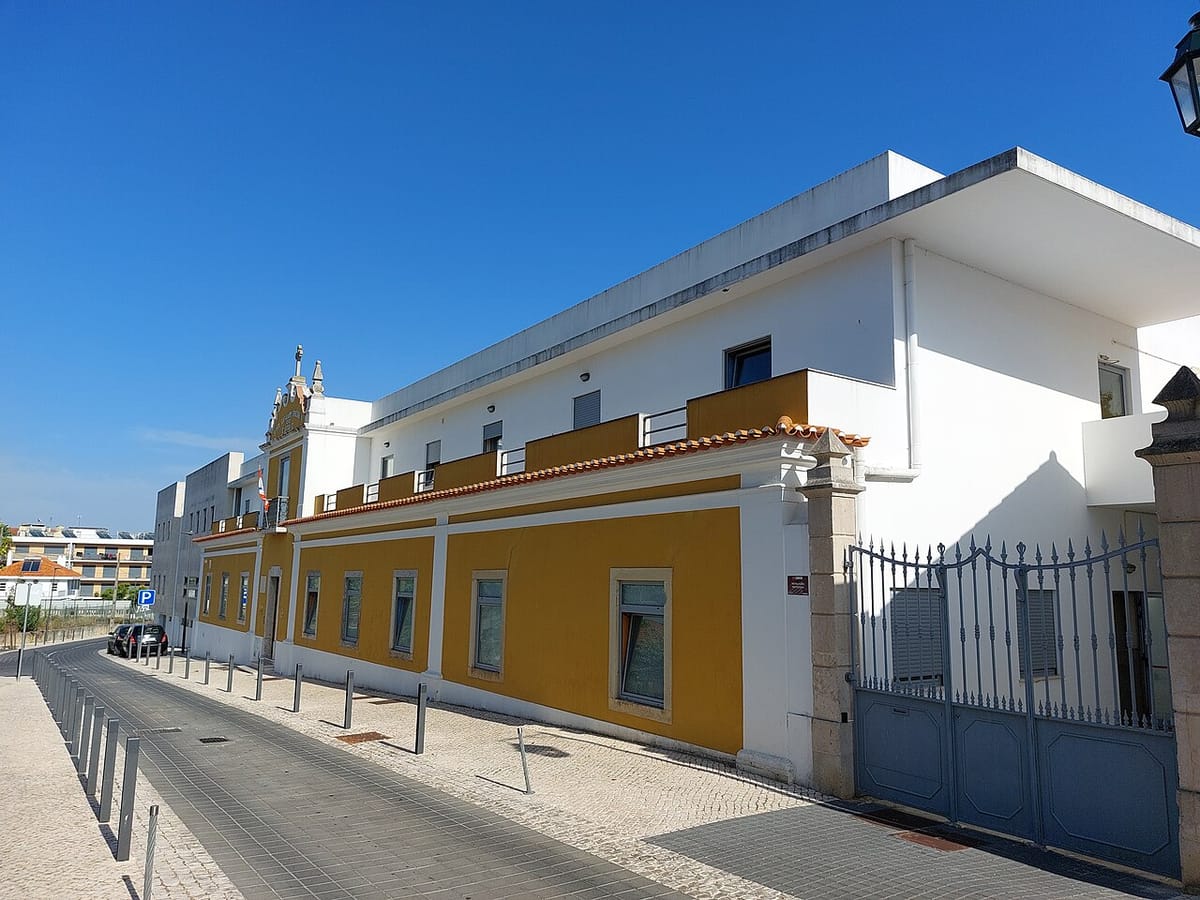
A foreign investor could qualify for a Portuguese golden visa by putting 250,000 euros into building or renovating a care home, a facility for children or people with disabilities, or a centre that helps immigrants settle in, under an amendment to the 2027 State Budget tabled by the governing PSD and CDS-PP. The same proposal halves the minimum for the scientific research route and tightens the rules for investment funds.
The amendment, numbered 2692C and dated 6 November, is published on the Assembleia da República (Parliament) website (in Portuguese) and is awaiting a vote in the budget committee. Jornal de Negócios reported it on Thursday. It would rewrite Article 3 of the foreigners law, Lei n.º 23/2007, which lists the investments that lead to an autorização de residência para atividade de investimento (ARI, the residence permit for investment, better known as the golden visa).
The new social route
The proposed new option covers a transfer of at least 250,000 euros for "the construction or renovation" of social-support establishments for children, young people, older people or people with disabilities, or of social facilities for the integration of foreign residents and beneficiaries of international protection.
The money cannot go to any organisation. It must be channelled through a public body or a recognised non-profit working in those fields. The list in the amendment includes:
- central and regional government services, public institutes and public foundations;
- private foundations, cooperatives, mutual associations and misericórdias (the Santa Casa charitable brotherhoods) with public-utility status;
- instituições particulares de solidariedade social (IPSS, private social-solidarity institutions) with public-utility status;
- intermunicipal bodies, municipal companies and municipal associations.
The design mirrors the existing culture route, which already accepts 250,000 euros for artistic production or heritage work through a similar list of public and public-utility bodies.
What else changes
- Research falls to 250,000 euros. Funding research at institutions in the national science and technology system now requires at least 500,000 euros under the current text of the law (in Portuguese). The amendment lowers it to 250,000 euros, which the parties say puts it on a par with the social and cultural routes.
- Funds must put 80 percent into company capital. The 500,000 euro route through Portuguese non-real-estate investment funds stays, as does the five-year minimum maturity. At present, at least 60 percent of the fund's investments must be made in companies based in Portugal. The amendment raises that to 80 percent and requires it to be done by increasing the share capital of those companies.
- Evaluation every two years. The routes are already reviewed every two years for their effect on science, culture, foreign direct investment and jobs. The new route would be added to that review, and its effect on social support would be assessed too.
The other routes, such as creating ten jobs or setting up a company, are not touched. Neither is the rule in the same article that these investments cannot go, directly or indirectly, into real estate; the amendment does not say how that applies to construction work on a care home.
In their justifying note, the parties say the aim is to steer foreign investment "to priority areas" and make sure fund investments really do capitalise Portuguese companies.
Who it would apply to
A second part of the amendment, 2692C-1 (in Portuguese), says the changes to the foreigners law apply only to golden visa applications submitted after the budget law comes into force. Investors with applications already filed, or permits already granted, would stay under the current rules. That matters most for the fund route: someone planning an application on the current 60 percent terms would need to file before the new law takes effect.
Nothing is final yet. Parliament's budget calendar (PDF, in Portuguese) schedules the committee votes on amendments for the week of 16 November and the final vote on the budget for 24 November. PSD and CDS-PP do not hold a majority on their own, so the amendment needs support or abstention from at least one other party. The budget would normally take effect on 1 January 2027 once it is signed and published.
Background
Buying property has not qualified for a golden visa since the 2023 Mais Habitação (More Housing) reforms, which left job creation, research, culture, investment funds and company capital as the main routes. Even so, AIMA, the Agência para a Integração, Migrações e Asilo (Agency for Integration, Migration and Asylum), granted 2,685 investment permits in 2025, 29 percent more than in 2024, although it no longer reports how much was invested or through which route.
The culture route has grown fastest of the remaining options, bringing in 104.7 million euros since 2020. The same set of PSD and CDS-PP budget amendments also includes new housing powers for parish councils. Our golden visa guide sets out how the scheme works today.