Five Student Residences in Lisbon and Porto, 883 Beds in All, Pass to a European Fund for a Reported 80 Million Euros
Nido Livensa has sold Nido Carcavelos, Ajuda, Santa Apolónia, Estoril and Asprela to the Ardian Rockfield European Student Accommodation Fund. Eighty million euros has moved and Portugal has exactly the same number of student beds as it had yesterday.
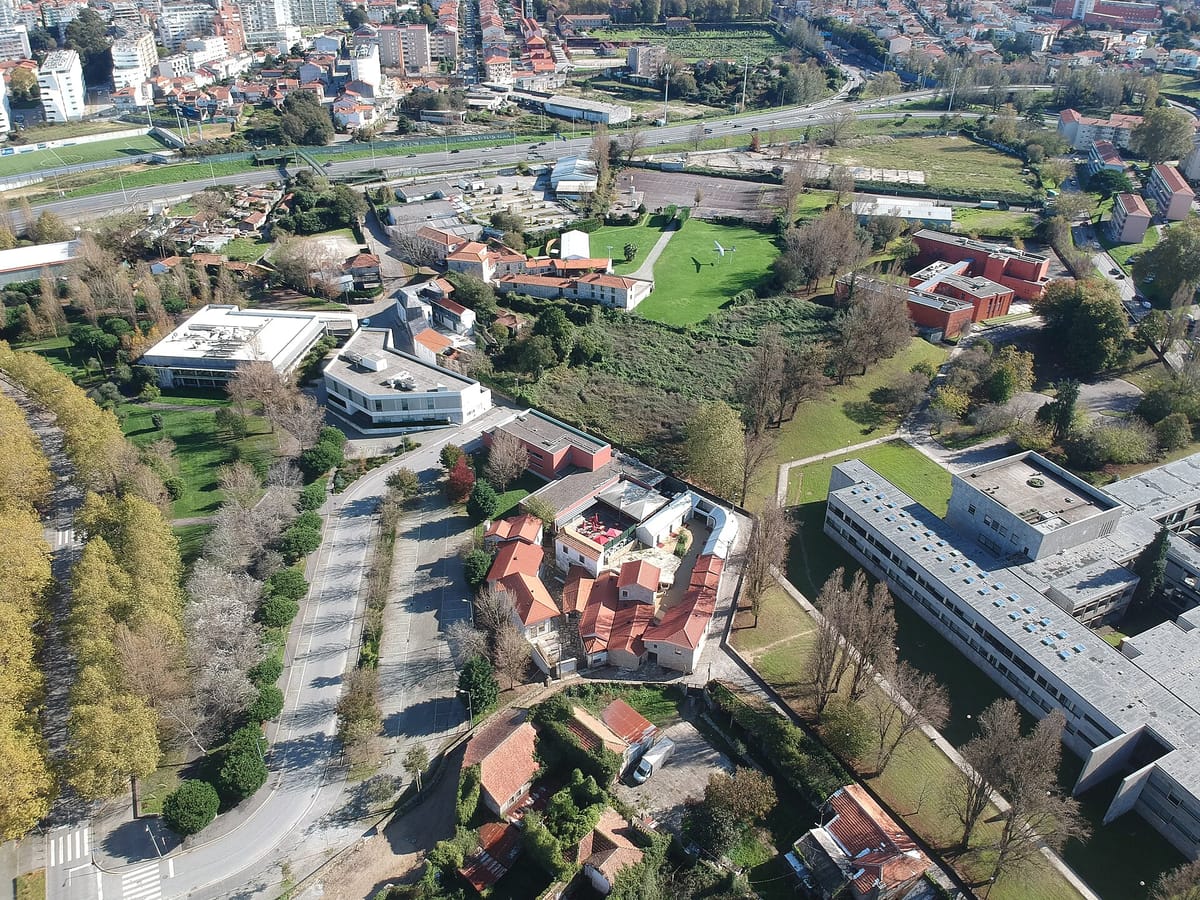
Five purpose-built student residences in Lisbon and Porto, 883 beds between them, have changed owner. Nido Livensa, the European student-housing operator backed by the Canadian pension investor CPP Investments, announced the sale in a statement without naming either the buyer or the price. Both have since emerged: the portfolio went to the Ardian Rockfield European Student Accommodation Fund, for a figure put at 80 million euros.
The five assets are Nido Carcavelos, Nido Ajuda, Nido Santa Apolónia, Nido Estoril and Nido Asprela, the last of them in Porto and the rest in the Lisbon area. The transaction was structured as a sale of two companies, Nido Lisbon and Nido Asprela Porto, rather than a sale of the buildings themselves.
What the seller says it is doing
Nido Livensa describes the disposal as portfolio management rather than retreat. A strategic review, the company says, identified five assets in Portugal that were mature and stabilised, having come through a period in which revenue, performance and operations had all settled. In the words of the statement, they had reached a natural stage in their investment cycle.
Carlo Matta, the group's chief executive, framed the money as fuel for the next round: the sale, he said, frees capital tied up in mature assets so it can be reinvested in new development and acquisition opportunities, against continuing European demand for quality student accommodation. He also went out of his way to say Portugal remains an important market for the group, which keeps residences in Coimbra, Lisbon and Porto.
The strategy behind that is not modest. Nido Livensa has said it wants to reach 25,000 beds by 2031, with Italy, the Iberian Peninsula and Germany as its target markets, and expects recent acquisitions to push its portfolio past 13,000 beds shortly.
Eighty million euros that builds nothing
This is the part worth sitting with. Eighty million euros has moved, a law firm has been paid, two investment vehicles have rebalanced their holdings, and Portugal has exactly the same number of student beds tonight as it had yesterday.
That matters because the shortage is the defining fact of the sector. The state's own building programme is running far behind its promises: as of July, just 5,014 of the 18,758 publicly funded beds promised had actually been finished, with university applications already open. Where public beds do arrive they arrive slowly and in single large lumps, as with Braga's conversion of a derelict soap factory into 786 beds from 94 euros a month.
Meanwhile the private market sets the price. A room in Lisbon moved from 500 to 550 euros in the space of a week last month, overtaking the state's own reference value, which stops at 500. The displaced-student housing grant rose to 161 euros a month this year, which covers under a third of that room.
Purpose-built student accommodation sits at the top of that market, not the bottom. These are managed buildings with study rooms, gyms and included bills, and they are priced accordingly. A trade between two institutional investors in that segment tells you the asset class is considered stable enough to be bought and sold on yield. It tells you nothing encouraging about supply.
Why institutional money likes these buildings
The appeal is structural. Student demand in Portugal is growing and is partly international, which insulates it from local income constraints; the foreign student body has expanded sharply in recent years. Occupancy is close to full for most of the academic year, leases are short and reprice annually, and a single operator manages hundreds of units under one roof. For a pension-backed fund, that is a bond-like income stream attached to a building.
The same logic explains the seller's timing. An operator that specialises in developing and stabilising these assets makes its return by building or buying, filling, proving the income, and then selling the finished product to a long-hold investor. Ardian Rockfield's vehicle is named for exactly that purpose. This is the handover point in a well-worn cycle, not a distress sale.
What this means for you
- If you have a child arriving at a Portuguese university, budget from the private market. The public residence pipeline will not reach most students this year or next. Plan on the room rate rather than the reference value, and treat the displaced-student grant as a partial offset, not a solution.
- A change of owner does not change your contract. The sale was of the companies holding the assets, so the operating entity and its agreements carry across. If you hold a place in one of these five residences, your terms stand; watch for a change of managing brand or billing details rather than a change of lease.
- Expect price pressure to continue in the top segment. Investors buying on stabilised yield need that yield maintained. Nothing in this transaction points to rents easing in purpose-built accommodation in Lisbon or Porto.
- Look outside the two big cities if the budget is tight. Coimbra, Braga, Aveiro and Covilhã carry serious universities at materially lower accommodation cost, and the public building programme has landed more visibly in some of them than in Lisbon.
Portugal's student housing problem is a supply problem, and it will be solved by beds that do not yet exist. Capital recycling of the kind announced this week is how the sector finances its next phase, and the test of whether it works is not the 80 million euros that changed hands but whether Nido Livensa's promised reinvestment produces buildings, and whether any of them land here.