Finance Ministry Boosts the ISP Discount to €63.56/1000 L on Diesel and €60.40/1000 L on Gasoline From Monday 26 May — Anarec Reads a 1.5-Cent Pump-Price Rise as the Trigger Behind the Friday 22 May Portaria
The Finance Ministry signed a portaria late on Friday 22 May 2026 lifting the extraordinary ISP discount on road fuels by 0.305 cents per litre on diesel and 0.315 cents on gasoline — the new headline rates settle at €63.56 and €60.40 per 1,000 litres from Monday 26 May.
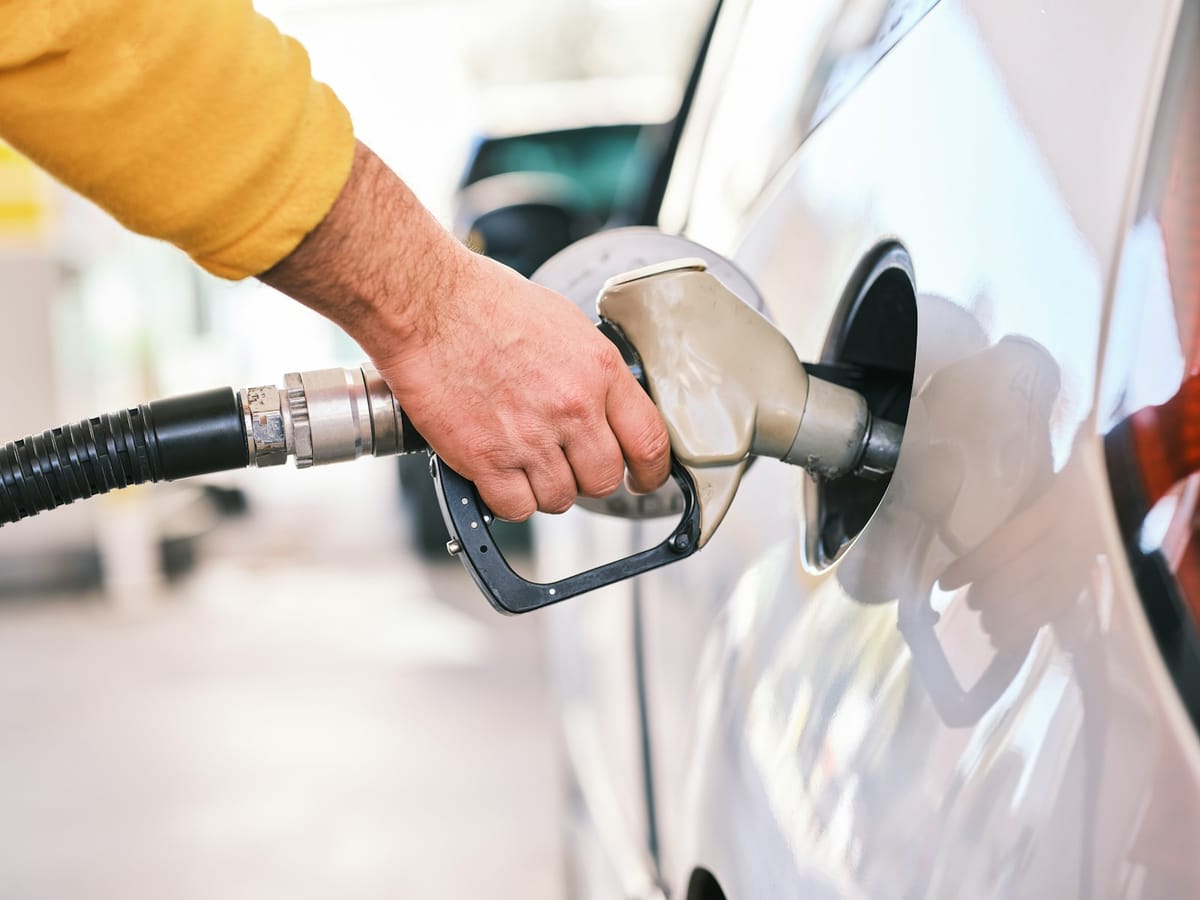
The Ministério das Finanças published a fresh portaria em suplemento do Diário da República late on Friday 22 May 2026 lifting the extraordinary ISP discount on road fuels — diesel and gasoline alike — ahead of the Monday 26 May pricing reset. The increment is small in headline terms but lands inside a clearly defined fiscal mechanism: the Iran-Strait-of-Hormuz channel that has been feeding through to European retail fuel prices since late April is now expected to push Portuguese pump prices roughly 1.5 cents higher next week, and the portaria absorbs a fraction of that rise back through the tax line rather than letting the full pass-through reach the forecourt.
The Numbers in the Friday 22 May Portaria
- Diesel: ISP discount rises by 0.305 cêntimos per litre to a headline of €63.56 per 1,000 litres from Monday 26 May.
- Gasoline (sem chumbo): ISP discount rises by 0.315 cêntimos per litre to a headline of €60.40 per 1,000 litres from Monday 26 May.
- Anarec forecast: the Associação Nacional de Revendedores de Combustíveis reads the weekly pricing cycle as pushing pump prices roughly 1.5 cêntimos per litre higher the week beginning 26 May, projecting €2.026 per litre on gasoline and €1.967 per litre on diesel as the new shelf prices.
What the Mechanism Actually Does
The extraordinary ISP discount is a temporary tax-side instrument that lets the government adjust the per-litre ISP rate every week in either direction. The legal trigger that opened the current cycle is the rule that the discount has to move when retail fuel prices have shifted by more than ten cêntimos per litre against a baseline drawn from the 2-6 March pricing window. From that anchor, the Finance Ministry rebalances the discount weekly in line with the Anarec forecast for the following Monday — pocketing some of the spread when Brent falls, giving it back when Brent rises. Friday 22 May is a clear case of the latter: with the Iran-channel oil-price impulse running through the Iberian wholesale market, the portaria steps the discount higher to partially offset the forecourt rise rather than letting the rate cut into the household energy bill in full.
The Sequence That Got Us Here
Friday 22 May's portaria is the third leg in a now-monthly sequence. The 9 May Portaria 213-A/2026 quietly lifted the ISP discount as Brent cracked below \$100, with the government pocketing 1.47 cêntimos on diesel and 0.21 on gasoline against the headline drop. The pump-price reversal on Monday 18 May lifted gasoline 95 to €2.016 per litre on the same Hormuz-tracking tape, and the Friday 22 May portaria is the now-explicit fiscal response to a second consecutive week of upward pressure on the Iberian fuel curve.
The Government Statement
The official line in the supplementary Diário da República reads that, faced with the prospect that road diesel and unleaded gasoline prices will rise the following week, the government decided to adjust the extraordinary discount on ISP to keep the pass-through to the consumer inside the corridor the mechanism is designed to manage. No press conference accompanied the publication — the portaria stands as the operational document, with the Finance Ministry letting the numbers speak for themselves.
The Underlying Brent Channel
Brent crude has been trading on the Middle East energy-shock tape since the Iran-Israel exchange and the Strait-of-Hormuz disruption window opened in late April. The European Commission Spring Forecast for Portugal published on Wednesday 21 May read the Iran-driven energy shock as the central external drag on the 2026 growth outlook, and the Moody's A3 / stable reaffirmation on Friday 22 May named the Middle East energy contagion as one of the five risk factors framing the rating call. The ISP portaria is the most operational of the three documents — the only one that actually changes a per-litre line on a household bill, and the only one that does so inside a seven-day cycle rather than a six-month rating horizon.
What This Means for You
- Daily commuters: the Monday 26 May pump-price reset prints €2.026/L on gasoline and €1.967/L on diesel under the Anarec forecast — a roughly 1.5-cent rise on the previous week, with the ISP discount absorbing about a fifth of that headline. Filling a 50-litre tank costs roughly 75 cêntimos more than the previous week's bill.
- Hauliers and fleet operators: the ISP adjustment is per-litre and applies to professional diesel on the same headline basis as private diesel; the operational saving on a 1,000-litre refuel is about €3.05 versus the prior week's tax line.
- Açorean residents: the mainland portaria does not change the autonomous regional pricing regime — the Governo dos Açores's own ten-cent diesel discount for farmers and fishers across May and June runs in parallel.
- Aviation watchers: the ISP portaria does not touch the jet-fuel curve — that channel is running on the separate S&P Global aviation-kerosene tape that pencils a May peak of \$211.7/barrel on Hormuz disruption.
- Cost-of-living watchers: the 1.5-cent forecourt rise is small in standalone terms but feeds through to the energy component of the INE inflation print that confirmed April energy at 11.7% year-on-year on the Brent-and-Hormuz pass-through; the May print will pick the rise up directly.
- Fiscal-policy watchers: the portaria-by-portaria adjustment is the cleanest indicator of how the Iran channel is now feeding into the Portuguese budget arithmetic — every cêntimo the discount climbs is a cêntimo of forgone ISP revenue, with the cumulative cost feeding into the 2026 fiscal trajectory the Conselho das Finanças Públicas, the Banco de Portugal and Brussels are all now tracking inside the same corridor.
Source: Jornal de Negócios (Tier 2 Portuguese-language media), 22 May 2026, citing the Finance Ministry portaria published in suplemento ao Diário da República and the Anarec weekly pump-price forecast.