EU Caps Hybrid Car Imports From China, Japan and Seven Other Countries From 1 December, and Turns Away Any Car Over the Quota
A provisional safeguard measure limits new full and plug-in hybrid imports for 200 days, with China allowed 191,780 cars. Hybrids were about 36 percent of Portugal's light-vehicle registrations this year.
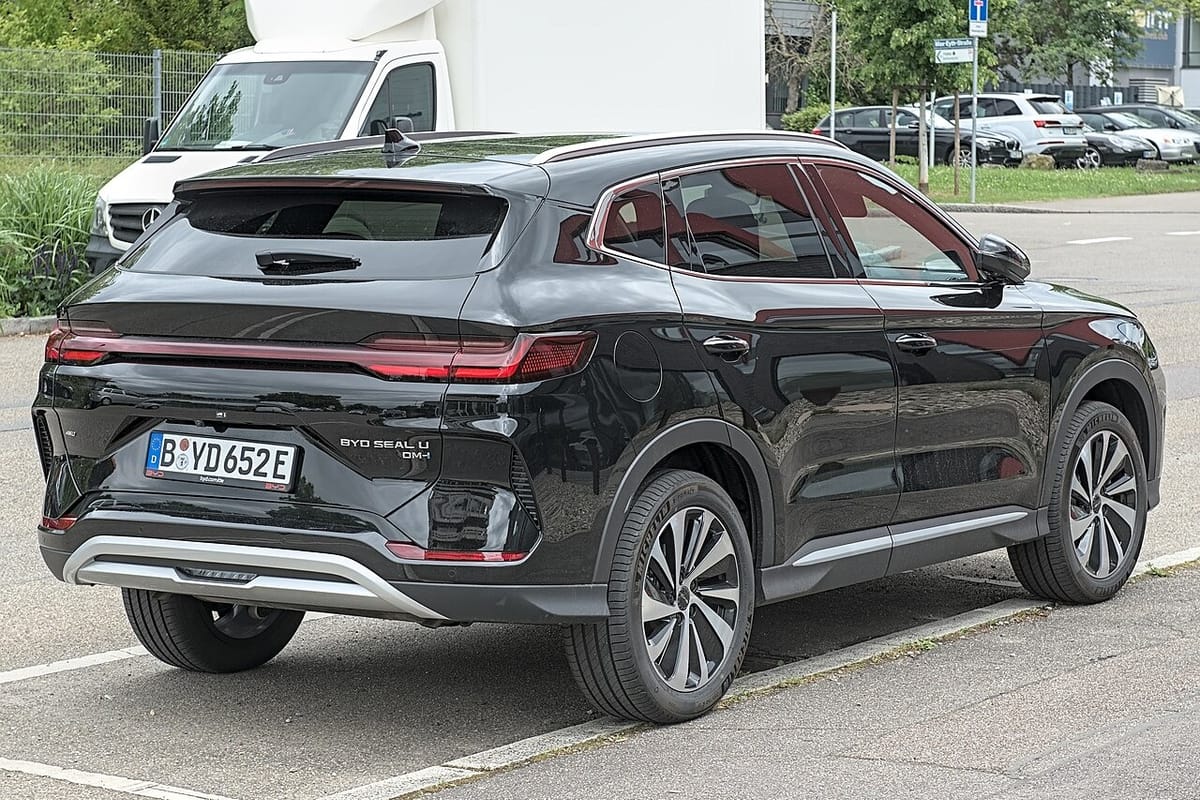
From 1 December, the European Union will limit how many new hybrid cars can be brought in from China, Japan, Türkiye and six other countries. Once a country's quota is used up, any further cars from it will be turned away at the border. The European Commission announced the measure on Tuesday 24 November. It is a provisional safeguard measure that runs for 200 days, to 18 June 2027, and it covers both full hybrids and plug-in hybrids.
The quotas put into effect the understanding the EU and Beijing reached on 9 October to slow China's hybrid exports, which we reported at the time. The Commission says, however, that they "will apply to all hybrid imports regardless of their origin".
How the quotas work
The legal text is Commission Implementing Regulation (EU) 2026/2614 of 23 November. It sets a maximum number of new hybrid passenger cars, with up to nine seats, that each supplying country may send to the EU while the measure lasts. Countries that supplied more than 2 percent of EU hybrid imports in 2025 get their own quota, set at their 2025 volume plus "a little over 15%", according to the Commission. All other countries covered by the measure share a residual quota of 822 cars.
The country quotas for the 200 days are:
- China: 191,780
- Japan: 170,889
- Türkiye: 126,320
- United Kingdom: 105,402
- South Korea: 67,924
- Mexico: 34,755
- Morocco: 23,954
- Serbia: 19,353
- United States: 18,482
That adds up to about 760,000 cars across all origins. China's share works out at roughly 350,000 a year. Each quota is split into three periods (December to February, March to May, and 1 to 18 June), and any unused volume carries over to the next period. Cars that come in within a quota pay the normal customs duty. There is no higher tariff for cars over the quota: the regulation says that once a quota is exhausted, further imports "shall not be allowed to enter the Union". Chinese-made cars also need an export quota certificate from the China Chamber of Commerce for Import and Export of Machinery and Electronic Products (CCCME), so Beijing itself will decide how China's share is used.
Battery-electric cars, used hybrids, ordinary petrol and diesel cars and vans fall outside the quotas. Several of these will instead be placed under EU import surveillance, which means they will be monitored but not limited. Countries in the European Economic Area (Norway, Iceland and Liechtenstein), Ukraine, Kenya and most developing countries are exempt.
Why Brussels acted
The Commission opened its investigation on 30 October. It found that EU hybrid imports rose from 957,965 cars in 2023 to 1,423,691 in the twelve months to mid-2026, and that EU manufacturers were losing market share even though the market was growing. In the same period, imports from China rose from about 46,000 to 486,582. The regulation also says the EU's 2024 duties on Chinese battery-electric cars "created an incentive" for Chinese makers to switch their exports to hybrids. The Commission can impose definitive measures within nine months of the 30 October opening, a deadline it can extend by two months.
What it means in Portugal
Hybrids are a large part of Portugal's car market. Figures from ACAP (Automobile Association of Portugal) show that 83,455 of the 233,822 light vehicles registered between January and October were full or plug-in hybrids, about 36 percent (our calculation from ACAP's table). Not all of them were imported from outside the EU, since many hybrids sold here are built in Europe.
Neither the Commission nor ACAP has said what the quotas will do to showroom prices, and the Portuguese government had made no comment by Tuesday afternoon. Buyers who already have a car on order from a non-EU factory may want to ask their dealer when it is due to arrive. The regulation contains no special rule for cars already in transit.
Sources: European Commission press release IP/26/2564; Commission Implementing Regulation (EU) 2026/2614; ACAP registrations by energy type, October 2026.