EDP Refuses to Pay €335 Million in IRC and Imposto do Selo on the 2020 Douro Dam Sale to Engie — AT Closes Its Inspection Report 30 April, Helena Borges Holds a June Liquidation Target, Public Prosecutor Already Archived the Criminal File
EDP will not pay the €335 million the Autoridade Tributária has lined up over the 2020 sale of six Douro-basin dams to Engie. The IRC and Imposto do Selo bill follows a tax-inspection report closed on 30 April; EDP says it will fight the assessment in court.
EDP — Energias de Portugal told the market on Monday 11 May 2026 that it will not pay the €335 million in IRC and Imposto do Selo that the Autoridade Tributária e Aduaneira (AT) has lined up against the group over the 2020 sale of six Douro-basin hydroelectric dams to Engie. The bill follows a tax-inspection report delivered to the company on 30 April 2026; EDP says it will contest the assessment in the tax courts and warns the AT will not collect a euro until the judicial process is exhausted.
The 2020 Transaction Under Audit
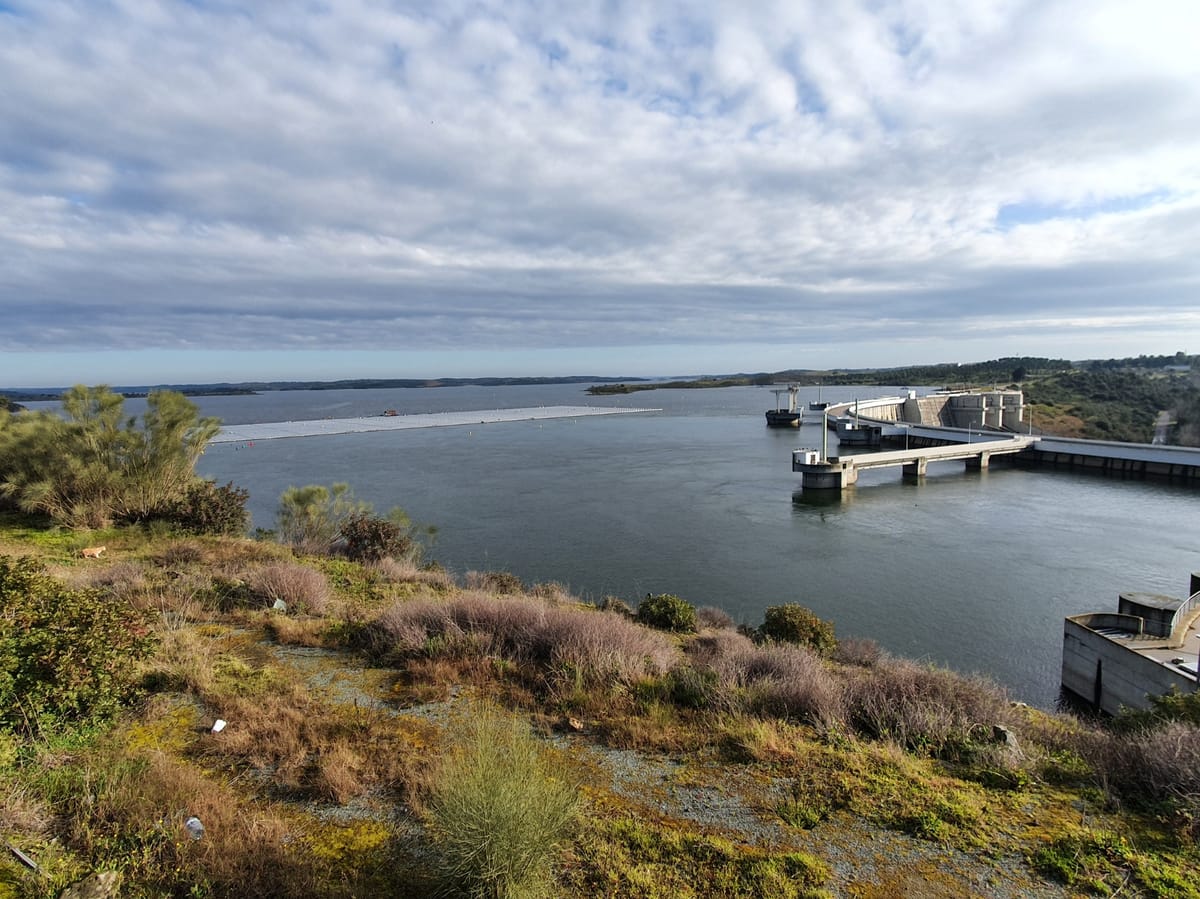
The dispute traces back to the December 2020 closing of EDP's sale of six hydroelectric plants — Miranda, Picote and Bemposta on the Douro Internacional cascade plus the more recent Baixo Sabor, Feiticeiro and Foz Tua assets — to a consortium led by Engie. The headline price tag was €2.2 billion, in a deal structured around an intermediate holding company that absorbed the assets before the share transfer. AT's inspection has focused on the chain of intra-group restructurings that preceded the Engie sale and on whether the asset disposal should have been booked as a direct sale of business units rather than as a sale of shares — a distinction that, under Article 88 of the IRC code and the Imposto do Selo regime on share transfers, generates very different tax positions.
The €335 Million Bill and Helena Borges's June Timeline
The tax-inspection report closed on 30 April 2026 sets out the underlying liabilities for both IRC on the gain crystallised at the operating subsidiaries and Imposto do Selo on the asset transfers inside the pre-sale carve-out. AT Director-General Helena Borges had publicly held to a target of completing the liquidation by June, so the inspection-report sign-off keeps the calendar on track even as EDP signals it will refuse the bill. The €335 million figure does not yet include compensatory interest, which would attach if EDP loses at first instance and chooses to pay rather than continue litigating.
EDP's Position and the Criminal Track That Already Closed
The group's first communication on the file states that EDP "disagrees with the conclusions of the report" and will not pay "any liquidations issued while the matter is being resolved in court", contesting the legality of the assessment through the standard administrative-then-judicial channel. EDP has previously had the criminal-fraud angle of the dam-sale file archived by the Ministério Público, which closed its inquiry without indicting EDP managers and explicitly handed the matter back to AT for civil-tax collection. The tax administration's path is therefore the only live track on the €2.2 billion 2020 transaction — and EDP's refusal to pay sets up a multi-year tax-court battle that is unlikely to resolve before 2028 if it tracks the median time-to-judgment in the CAAD arbitration tribunals or, if EDP chooses the impugnação route, in the administrative-tax courts.
What It Means for the Tape
For EDP's accounting position, a €335 million liability is non-trivial but not solvency-relevant against a group whose Q1 2026 EBITDA will print in the multi-billion range. The bigger flag is around provisions: the auditor will now have to test whether the contested liability needs to be booked under IAS 37, which depends on EDP's own probability assessment of losing the case. The company's refusal-to-pay posture suggests EDP will argue probability of outflow is below 50% and provision only the legal-cost tail. For the AT, the file is one of the largest single liquidations open against a listed Portuguese issuer, and Helena Borges's June liquidation goal — already public — gives the administration little room to fold quietly.