Easter 2026: Why Younger Travellers Are Skipping Lisbon for the Azores and Geres
Something is shifting in the way Portugal travels at Easter. According to new Airbnb data, domestic searches for nature-focused destinations have surged nearly 30 percent compared to last year, with Madeira, the Azores, the Algarve and rural...
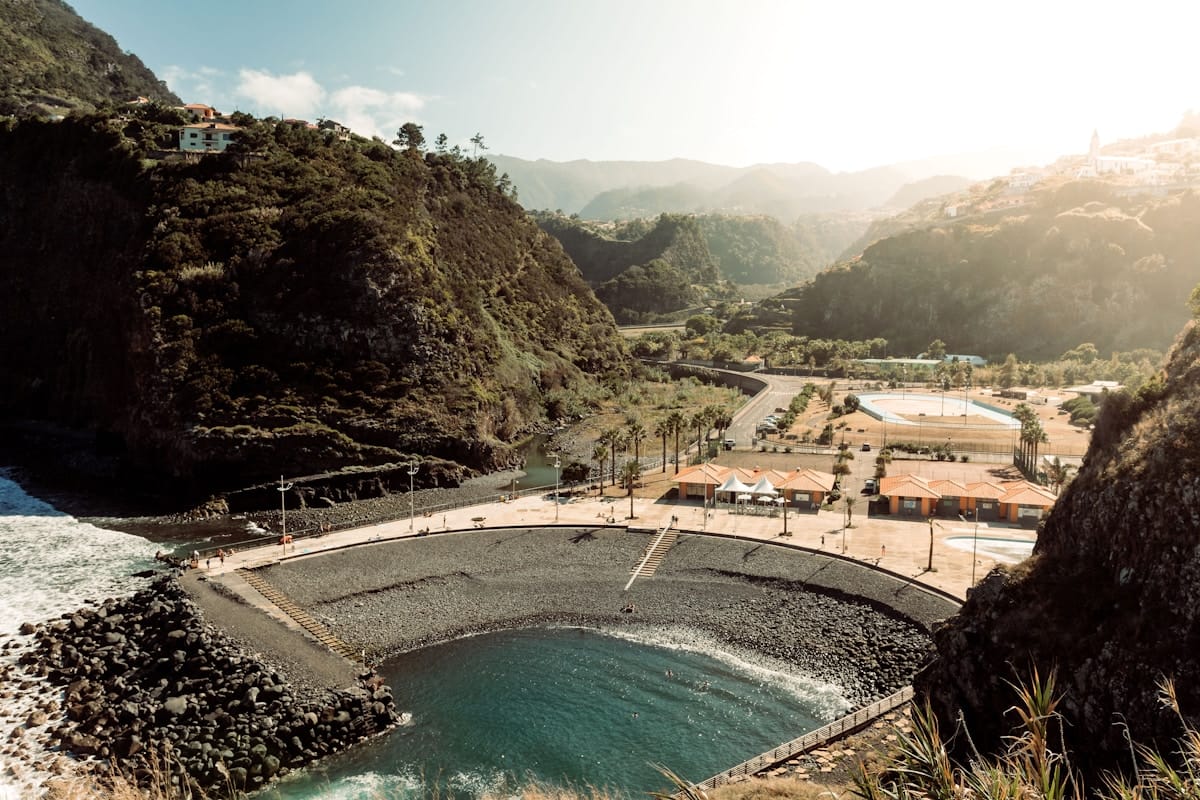
Something is shifting in the way Portugal travels at Easter. According to new Airbnb data, domestic searches for nature-focused destinations have surged nearly 30 percent compared to last year, with Madeira, the Azores, the Algarve and rural villages like Geres and Proenca-a-Nova leading the charge. The driving force behind the trend is generational: Millennials and Gen Z now account for 80 percent of Easter bookings.
Islands Over Cities
Funchal in Madeira and Ponta Delgada in the Azores top the list of most-searched destinations. The appeal is straightforward: volcanic landscapes, subtropical forests, levada walks, natural hot springs and crater lakes offer something that Lisbon's crowded Alfama or Porto's Ribeira simply cannot match during a peak holiday weekend.
Madeira's Pico do Arieiro trails and the twin-lake crater of Sete Cidades on Sao Miguel are among the specific attractions pulling travellers away from the mainland. For many younger visitors, the islands represent the kind of immersive, photogenic experience that urban tourism can no longer deliver.
The Rural Revival
On the mainland, the Peneda-Geres National Park is emerging as a serious contender for Easter getaways. Portugal's only national park, it offers mountain hiking, wild rivers and a scatter of stone villages where traditional hospitality still means something beyond a curated Airbnb description.
Further south, Proenca-a-Nova in central Portugal is quietly building a reputation as a slow-tourism destination, with its eucalyptus forests, river beaches and a deliberate absence of the kind of development that has transformed much of the Algarve coast.
Why It Matters
The numbers tell a story about changing values. Millennials account for 70 percent of family travel searches and 40 percent of rural destination lookups. Gen Z family searches have jumped 30 percent year on year. Together, these two generations are reshaping Portugal's internal tourism economy, directing spending away from established urban centres and toward regions that have historically struggled to attract visitors outside summer.
For communities in the interior and on the islands, the implications are significant. Easter weekend bookings bring revenue during what was traditionally a dead season, supporting local restaurants, guesthouses and activity providers that operate on thin margins.
A Window of Opportunity
The trend also resonates with Portugal's broader demographic challenge. Rural depopulation has hollowed out villages across the Alentejo, Beiras and Tras-os-Montes for decades. If younger domestic travellers develop a genuine attachment to these places, it could create the kind of economic foundation that government subsidies alone have failed to build. (Background: see our piece on the hiking in Portugal in 2026 guide.)
For foreign residents, the data offers a practical tip: if you have not yet explored Portugal beyond the Lisbon-Porto-Algarve triangle, Easter might be the moment. The islands and the interior are at their greenest, the crowds have not yet arrived, and the accommodation deals that come with off-peak discovery are still available. Just do not expect them to last if the trend continues at this pace.