Each 1 Percent Rise in Housing Demand Adds 0.69 Percent to House Prices and 0.37 Percent to Rents, a Bank of Portugal Study Finds
A Bank of Portugal study of about 300 councils from 2017 to 2024 finds extra demand feeds into prices almost twice as much as rents, hits hardest where building is slow, and concludes affordability cannot be fixed by demand-side policies alone.
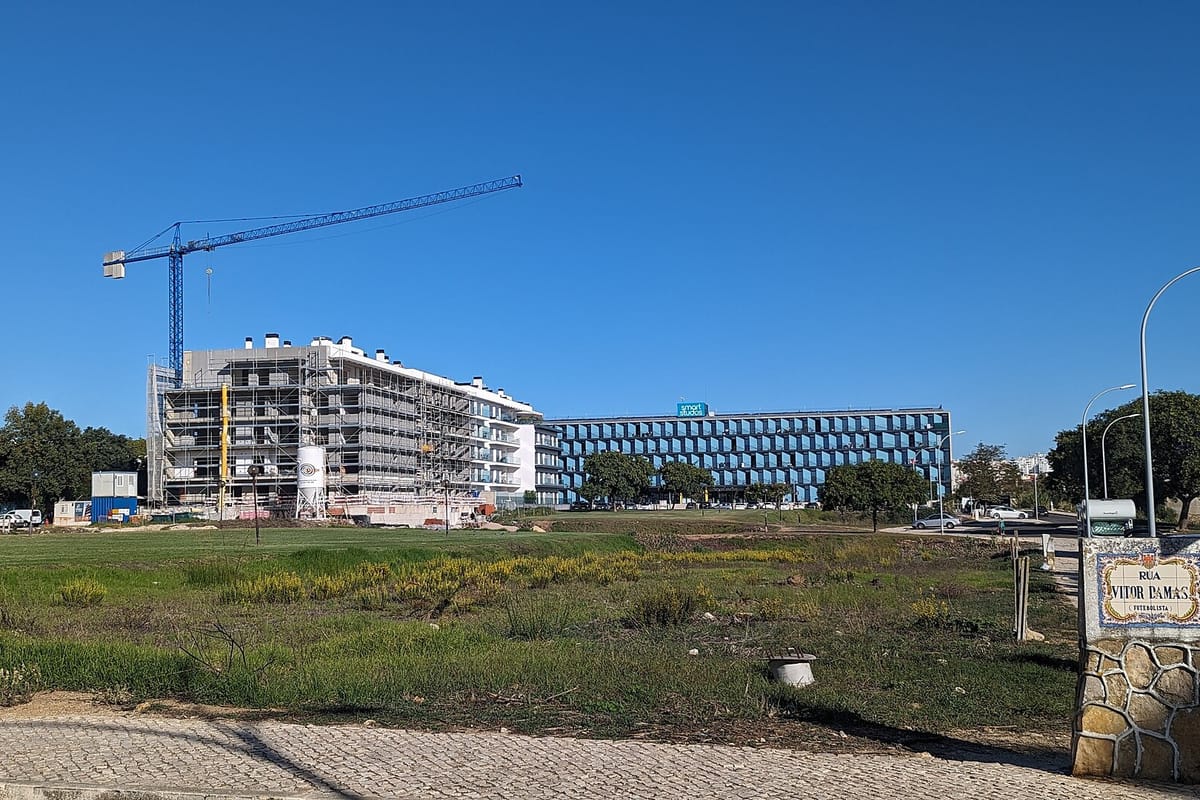
When more households compete for homes in a Portuguese municipality, much of the pressure ends up in prices and rents rather than new construction, according to a Banco de Portugal study published this week. Its author, the economist João Amador, concludes that the country's housing affordability problem cannot be tackled through demand-side policies alone, and that policy should focus on making supply respond faster.
The paper, "A dinâmica dos preços da habitação e das rendas em Portugal: uma abordagem de mercado" (the dynamics of house prices and rents in Portugal: a market approach), opens the October 2026 issue of the central bank's Revista de Estudos Económicos, its economic studies journal. The paper states that its views are the author's and do not necessarily match the bank's. It appeared during a month of housing protests in Porto.
What the study measured
Amador built a panel of about 300 municipalities covering the second half of 2017 to the second half of 2024. Over that period, the journal's editor notes, sale prices rose by 81 percent on average and rents on new leases by 69 percent. By late 2024, homes in the Lisbon metropolitan area averaged 2,500 euros per square metre.
Demand is measured as growth in the number of resident households, which the paper links to migration, household formation and income, among other factors. Because prices and demand push on each other, the study uses a statistical technique (instrumental variables) to isolate the part of demand not caused by local prices. It also estimates how readily each municipality's housing stock grows when prices rise: its "supply elasticity".
The key figures
- Where supply does not respond at all, a 1 percent rise in demand lifts house prices by about 0.69 percent and new rents by about 0.37 percent. Prices react almost twice as strongly as rents, which the author reads as demand being absorbed into the value of housing as an asset.
- Supply matters: comparing municipalities with relatively responsive supply against those with sluggish supply, the same 1 percent shock raises prices by 0.52 percent and 0.64 percent respectively, and rents by 0.28 percent and 0.34 percent.
- Across individual councils, the price effect ranges from about 0.4 percent in Sintra to 0.8 percent in Mourão, in the Alentejo. Lisbon has the highest estimated supply elasticity in the country, and supply tends to be more responsive in denser municipalities.
- The Algarve stands out. Part of the national effect comes from the region, where, the paper says, supply that cannot expand meets demand from non-residents and investors.
What it says about policy
The paper does not assess any specific programme, such as the 2024 package for buyers aged up to 35 that includes a state guarantee on mortgages and an exemption from IMT (the property transfer tax) and stamp duty. Its argument is general: if new construction is held back by scarce land, slow licensing or other regulatory barriers, the same rise in demand produces much larger increases in prices and rents. It calls for policies that raise the responsiveness of supply, particularly where constraints bind hardest, and for better data, including household surveys on housing needs.
The author is frank about the limits. Municipal rent data are patchy, so gaps were filled using neighbouring councils. The figures describe the 2017 to 2024 period; they do not capture this year's continued price growth or the licensing overhaul that took effect in October.
For anyone renting or buying, the study's logic suggests that extra help for buyers risks being absorbed into prices unless more homes are built, most of all where building is hardest.