Digi's Portuguese Business Reaches 960,000 Active Services and €37 Million in Half-Year Revenue
Less than two years after launching, the low-cost operator Digi reported about €37 million in first-half revenue in Portugal and some 960,000 active services, up more than a fifth in a year — a genuine fourth network reshaping how much residents pay for mobile and internet.
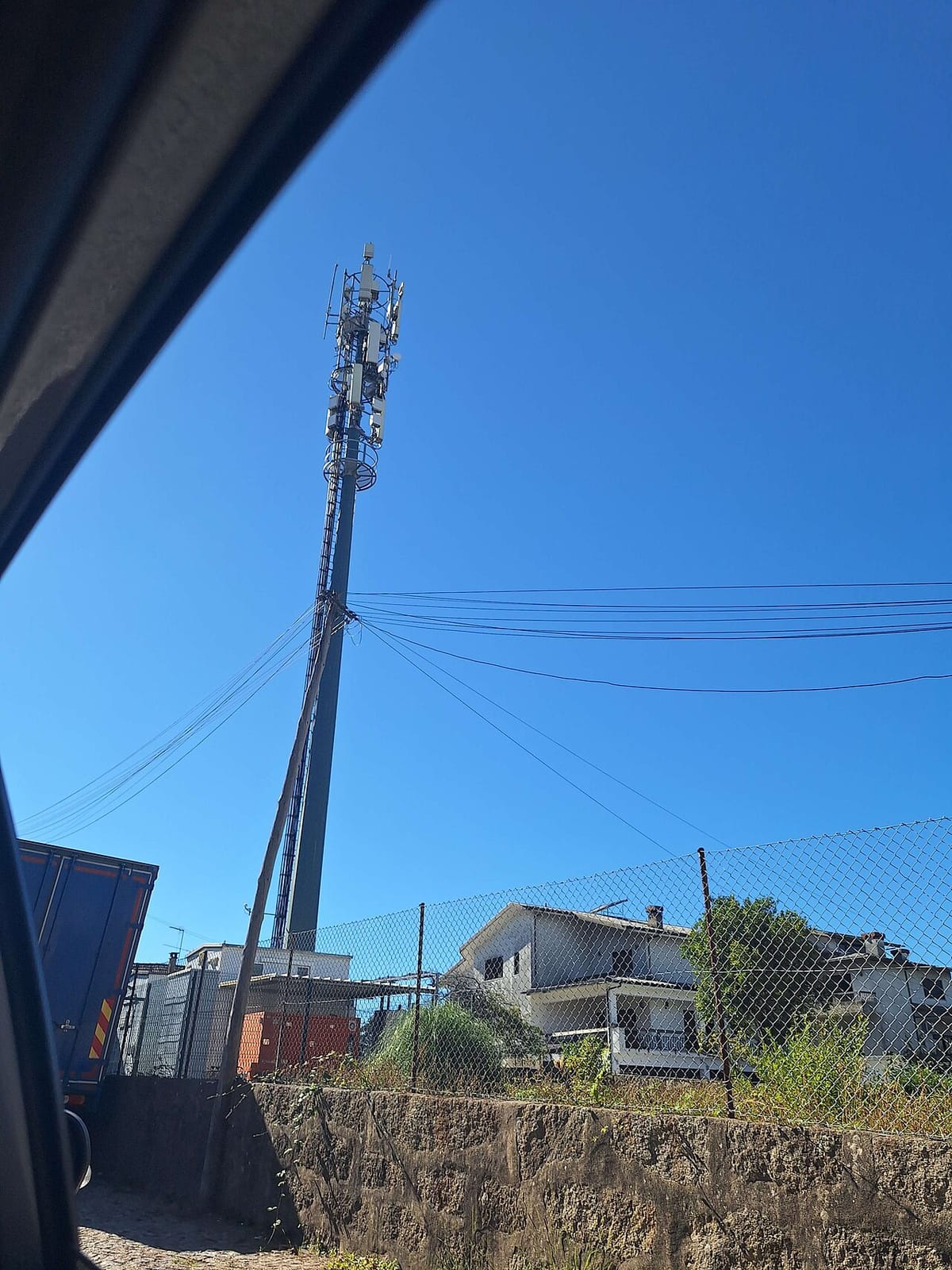
Less than two years after it launched, the low-cost operator Digi is turning into a real force in Portugal's telecoms market. The Romanian-owned challenger reported first-half revenue of about €37 million in Portugal and said it now runs some 960,000 active services — a figure that has jumped by more than a fifth in a year, according to results reported on 14 August by ECO and Jornal de Negócios.
Cheap plans, fast growth
Digi entered Portugal in November 2024 as the country's fourth mobile network, alongside the incumbents MEO (owned by Altice), NOS and Vodafone. Its pitch was blunt: prices below the competition, no promotional gimmicks, and a promise not to apply the annual inflation-linked increases that rivals build into their contracts. That message has clearly found an audience. The company's active services — the industry's count of individual mobile lines and fixed connections, not unique customers — rose about 21.7% year on year to reach 960,000.
The two outlets differ slightly on the exact revenue line: ECO reported €37.2 million and Jornal de Negócios €37 million, with growth of roughly 5% to 6% over the same period last year. The gap between fast service growth and slower revenue growth is the whole story of a low-cost operator — Digi is adding connections much faster than it is adding euros, because each connection is cheap. ECO's breakdown, which the second outlet did not corroborate, put mobile at roughly 545,000 services and fixed lines at around 415,000, of which about 186,000 are home-internet subscriptions.
The incumbents have already felt it
Digi's arrival was expected to bite. Before launch, Portugal's Competition Authority (Autoridade da Concorrência) estimated that a fourth operator could cut telecom prices by around 2.6% on bundles and by as much as 7% on standalone mobile service. The three incumbents responded by sharpening their own low-cost sub-brands — Uzo at MEO, Woo at NOS and Amigo at Vodafone — trimming prices and shortening lock-in periods to hold on to price-sensitive customers.
Unlike a virtual operator that rents someone else's network, Digi is building its own. It won 5G spectrum in the marathon auction run by the telecoms regulator ANACOM (Autoridade Nacional de Comunicações, the National Communications Authority) that ended in 2021, and it later bought the smaller operator NOWO for €150 million after regulators blocked a rival bid, taking on additional spectrum. By early 2025 ANACOM's own data showed Digi had already installed more 5G base stations than MEO, even if its coverage still reaches fewer municipalities than the established players — a reminder that the network is a work in progress and that Digi's strong signal in a city may thin out in the countryside.
What it means for households
For residents, the arrival of a genuine fourth network is the best news the Portuguese telecoms market has had in years: more competition on price, and pressure on the incumbents to match it. Portugal sits above Italy and Belgium among the markets of parent group Digi Communications, and behind only Romania and Spain — a sign the operator intends to keep investing here. Anyone weighing a switch should still read the small print on coverage and contract terms; our guides to getting a Portuguese mobile plan and cancelling a telecom contract walk through the number-portability, lock-in and cost details that decide whether a cheaper plan is really cheaper.