DGS Tightens Imported-Case Detection After WHO Stamps the Congolese Bundibugyo Outbreak a PHEIC on 17 May — Lab Capacity Stepped Up, Traveller Guidance Refreshed, European Risk Held at 'Very Low'
Portugal's DGS reinforced imported-case detection on 18 May after the WHO classed the Congolese Bundibugyo Ebola outbreak a PHEIC. 8 confirmed, 246 suspected, 80 deaths in Ituri with a case chain into Kampala — but European risk is held at 'very low'.
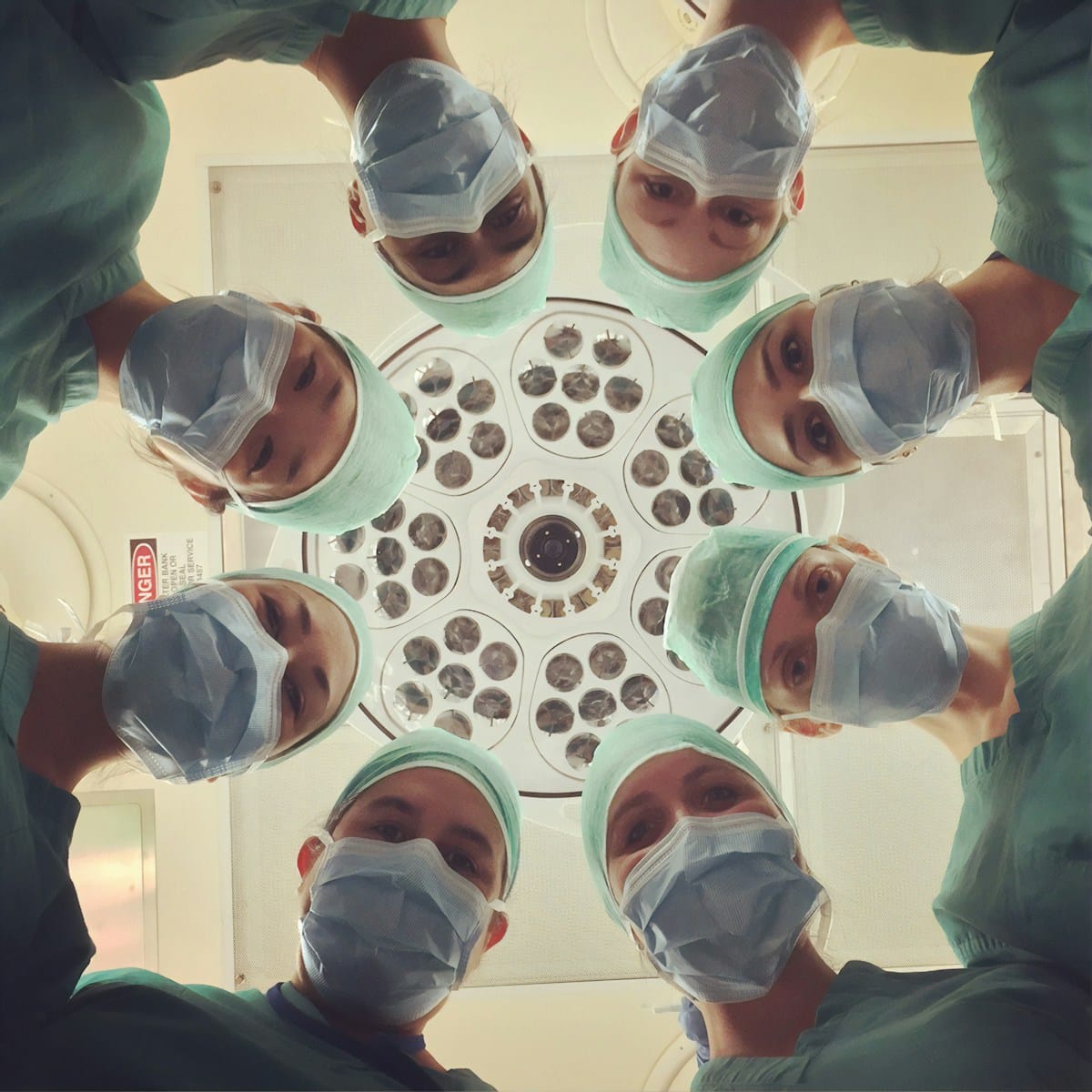
Portugal's public-health authority moved the dial on Ebola preparedness on Monday. The Direção-Geral da Saúde (DGS) announced on 18 May that it has reinforced early detection of potentially imported cases, refreshed traveller guidance and stepped up laboratory detection capacity in response to the WHO declaration of 17 May classing the ongoing outbreak in the Democratic Republic of the Congo as a Public Health Emergency of International Concern (PHEIC). The DGS continues to assess the risk of infection for residents in the EU and EEA as 'very low'.
The Outbreak the WHO Just Escalated
The numbers behind the PHEIC classification, as logged by the WHO on 16-17 May:
- 8 confirmed cases and 246 suspected cases in the DRC's Ituri province — concentrated in Bunia, Rwampara and Mongbwalu.
- 80 deaths recorded so far, with at least four healthcare workers among the dead — a transmission marker in the clinical setting.
- One confirmed case in Kinshasa, the DRC capital, and two confirmed cases in Kampala, Uganda — one of them fatal — pointing to cross-border movement out of the eastern epicentre.
- The pathogen is the Bundibugyo variant — one of the rarer Ebolavirus species and, critically, the one for which no licensed vaccine exists. The licensed Ebola vaccines target the Zaire species; an early field-testing setback in this outbreak came when first-pass kits, designed for Zaire, failed to flag the Bundibugyo strain.
What the DGS Is Actually Doing
Portugal's National Contingency Plan for Ebola Virus Disease — written for the Zaire scare of the mid-2010s and updated since — is back in active mode. The DGS's 18 May statement points to four practical workstreams:
- Updated traveller guidance for residents and visitors returning from affected areas of the DRC and Uganda, including symptoms to monitor and the channel to report (SNS 24 on 808 24 24 24).
- Stepped-up laboratory detection capacity for the National Reference Laboratory at INSA — critical given the Bundibugyo-specific testing gap that complicated identification in the DRC.
- Refreshed clinical-pathway readiness at the country's reference hospitals for haemorrhagic-fever cases, with the Hospital de Curry Cabral retaining its national isolation role.
- Surveillance reinforcement at points of entry, in line with the WHO PHEIC framework — though without the airport-temperature theatre of 2014, since the public-health evidence on its yield is weak.
Why the Risk Reading Is 'Very Low'
Two factors anchor the DGS assessment. First, Portugal has no direct commercial-airline links to Bunia or eastern DRC — onward connections route through Brussels, Addis Ababa, Nairobi or Istanbul, each with their own screening layer. Second, secondary transmission in Europe is historically rare: the 2014-2016 West African outbreak generated four imported cases across the EU and two confirmed secondary cases, both in clinical-care settings rather than community spread. On the immunisation side of the file, Portugal's measles count for 2026 and the single chain that formed sets out the nine cases the Direção-Geral da Saúde notified through SINAVE between 1 January and 18 August, how they split between imported and domestic origin, and why the directorate is watching Brazil. On the state of Portugal's own disease reporting, what the WHO is now counting in Portugal that the DGS has not published sets out the 66 clade Ib mpox cases the World Health Organization recorded here in six weeks, more than Germany, France and the United Kingdom combined, against a national bulletin that stopped in May 2025 saying the country had seen none.
What This Means for Expats
- If you are travelling to or from Uganda or eastern DRC, register the symptom list — fever, fatigue, muscle pain, sore throat, followed by vomiting, diarrhoea and unexplained bleeding — and call SNS 24 on 808 24 24 24 before presenting to a hospital so the line can route you to the right pathway.
- If you work in healthcare in Portugal, the contingency plan and the INSA laboratory protocols are the operational reference; expect updated DGS norms in the coming days as the WHO situation report cadence accelerates.
- If you are flying in or out of Portuguese airports, expect no visible change — the screening shift is upstream and laboratory-driven, not at the gate.
- Treat the 'very low' risk read as accurate, not reassurance theatre. The flag worth watching is whether the Kampala chain extends — if Uganda's case count climbs, the European probability calculation moves with it.