Continente 27.6, Pingo Doce 22.3, Lidl 13.8: Portuguese Households Are Splitting the Weekly Shop Across More Chains
Worldpanel by Numerator's first-half figures put Continente on 27.6 percent, Pingo Doce on 22.3 and Lidl on 13.8, with traditional grocers still ahead of Mercadona. Pingo Doce grew the basket, Lidl grew the visit, and the leader stopped losing.

Portuguese households are no longer loyal to one supermarket, and the first-half figures show what that costs and pays each chain. Continente still leads the grocery market with 27.6 percent, Pingo Doce holds 22.3 percent and Lidl has 13.8 percent, according to Worldpanel by Numerator's reading of the six months to June 2026.
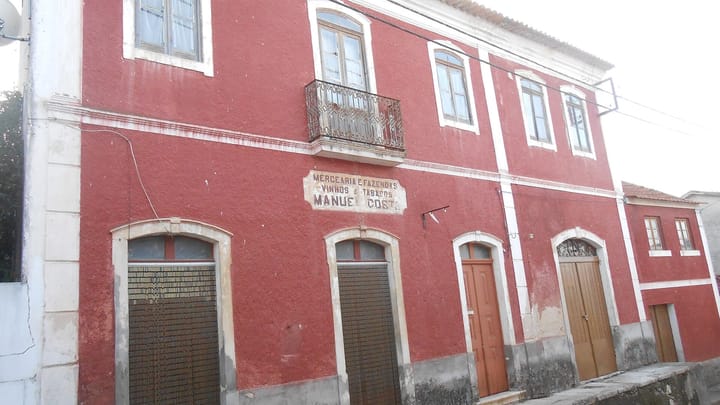
Below the top three, Mercadona sits at 7.4 percent, Intermarché at 6.1 percent and Auchan at 5.5 percent. Aldi has 2.9 percent and E.Leclerc 0.8 percent. Traditional grocers, the independent shops and mercearias that every obituary of Portuguese retail has been writing off for twenty years, still account for 6.3 percent between them, more than Mercadona.
Four chains, four different strategies
- Pingo Doce gained by making baskets bigger rather than by finding new shoppers, which Worldpanel attributes to its promotional mechanics.
- Lidl gained the other way, through more frequent visits from the customers it already had. The panel also notes a greater openness to branded manufacturer products alongside its own label, widening the range of shopping missions the store can absorb.
- Continente steadied after a first quarter under real competitive pressure, halting a slide rather than reversing it.
- Mercadona kept opening stores and kept adding households to its shopper base, but that growth has not yet translated proportionally into market share. More people are trying it than are switching to it.
The finding that ties those four sentences together is the one about the shopper rather than the retailer. Portuguese consumers are spreading their spending across more banners than before, choosing each one according to the shopping mission and the value proposition on offer. Worldpanel's own summary is that growth now depends less on attracting new consumers than on raising visit frequency, lifting basket value and deepening the relationship with the shoppers a chain already has.
What has changed since the spring
The pattern has been building all year. In the first quarter Mercadona lost Portuguese market share for the first time since 2019 while Pingo Doce and Lidl advanced, and by midsummer Continente had widened its lead. The half-year numbers extend the same story rather than turning it.
The backdrop is prices that are still moving. Headline inflation slowed to 3.0 percent in July as fuel and fresh food eased, but the food line has been the stubborn part all year, and the consumer group DECO's basket of 63 staples reached 253.60 euros at the start of August, with shop prices still climbing 5.4 percent a year. Splitting the shop between chains is a rational response to that, and it is exactly what the panel data records people doing.
What this means for your own shopping
- The cheapest basket is not the cheapest shop. The panel's central finding is that households now match the store to the mission: bulk and promotions in one, top-ups in another, fresh in a third. That behaviour, not brand loyalty, is what is moving share.
- Lidl's range is widening. If you last dismissed it as own-label only, the assortment has shifted, which is precisely why its shoppers are going back more often.
- Mercadona's expansion is still geographic. New stores keep opening, so its relevance depends heavily on whether one has reached your town yet.
- The corner shop is not dead. At 6.3 percent nationally, traditional grocers remain a larger slice of Portuguese food spending than the fourth-placed chain.
The half-year picture, then, is of a market where nobody is running away with anything. Two chains grew by different routes, the leader stopped losing, and the challenger added customers without adding share. What moved most was the shopper, and everything else in the table follows from that.