Coindu Trims 48 Leather-Department Jobs in Vila Nova de Famalicão as Carmakers Turn Away From Leather Interiors
Car-interior maker Coindu has begun a collective dismissal of 48 workers from its leather department in Vila Nova de Famalicão, blaming a shift away from leather in new vehicles plus US tariffs and Asian competition.
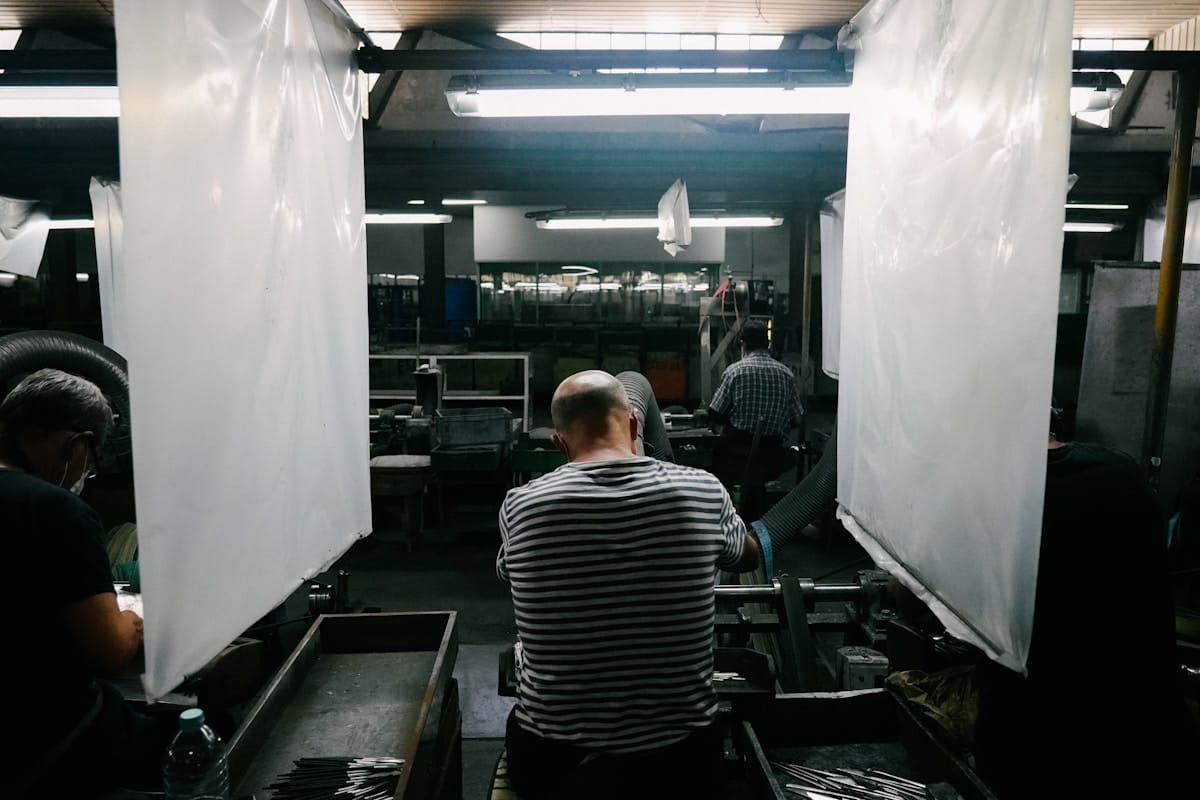
Coindu, a maker of upholstered car-interior components based in Vila Nova de Famalicão, has opened a collective-dismissal procedure (procedimento de despedimento coletivo) affecting 48 workers in its leather department, as the automotive industry steadily moves away from leather seats and trim.
The company, which employs 743 people, says the cuts reflect a structural change in what carmakers are ordering. "The market is opting for new configurations and materials, as seen in the 2027 model launches, in which the use of leather will be significantly reduced," Coindu said, adding that it expects to need around 700 workers next year.
- The cut: 48 roles, all in the leather department.
- The workforce: 743 today, projected near 700 in 2026.
- The cause: a fall in leather orders as 2027 vehicle ranges pivot to synthetic and textile interiors.
- The backdrop: management also cites US tariffs, Middle East instability, volatile fuel prices and intensifying competition from lower-cost Asian suppliers.
The affected employees had already been warned during a six-month layoff (lay-off) that began in May 2026. Coindu said that while other parts of the business could recover, the leather operation specifically would not be spared, because its processes are too specialised to redeploy elsewhere. It is the company’s third round of collective dismissals in roughly a year, following earlier cuts tied to falling orders.
The case is a window onto a wider squeeze on Portugal’s export-driven manufacturing belt in the north, where the automotive supply chain is a major employer. Components makers are being whipsawed at once by the shift to electric vehicles, changing consumer tastes, tariff uncertainty in the United States and cheaper Asian rivals — the same forces behind restructuring elsewhere in Portuguese industry, including Corticeira Amorim’s recent moves.
What This Means for Workers
- Your rights: a collective dismissal must follow a formal process with notice, worker-representative consultation and statutory compensation — rules now in flux as Parliament debates the Trabalho XXI labour reform.
- If you are laid off: register with the IEFP (the public employment service) to access unemployment benefit (subsídio de desemprego) and retraining.
- The bigger picture: the north’s factory jobs are exposed to global shifts; reskilling toward textiles, electronics and EV components is where demand is heading.
For Famalicão and the surrounding Ave valley, the loss of 48 jobs is modest in isolation but symptomatic. As 2027 model lines firm up across Europe, more suppliers tied to fading materials are likely to face the same reckoning — a reminder that Portugal’s industrial recovery rests on moving up the value chain, not just defending it.