Chega Sinks the Government's Trabalho XXI Labour Reform on Friday's Generalidade Vote — PSD, CDS-PP and IL Stand Alone as PS, Bloco de Esquerda, PCP, Livre, PAN and JPP Carry the No, Ventura Cites Despedimentos and Reforma-Antecipada Sticking Points
Chega joined the entire left bench to reject the Trabalho XXI labour reform in Friday's generalidade vote, defeating Prime Minister Luís Montenegro's flagship Código do Trabalho rewrite. Only PSD, CDS-PP and IL voted in favour.
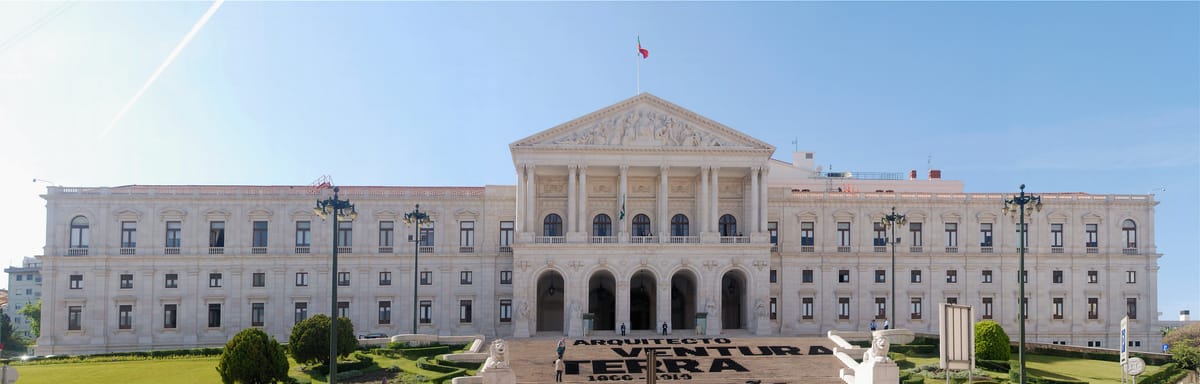
The Assembleia da República (Assembly of the Republic) rejected the government's Trabalho XXI labour reform package this Friday afternoon after Chega broke from a week of speculation about its support and joined the entire left bench in voting against the proposal in the generalidade (first reading) stage. The defeat strips Prime Minister Luís Montenegro of his flagship Código do Trabalho (Labour Code) rewrite and hands André Ventura a high-stakes leverage moment over a minority government that had counted on parliamentary tolerance from Chega to push more than 100 changes through São Bento.
PSD, CDS-PP and Iniciativa Liberal voted in favour. PS, Bloco de Esquerda, PCP, Livre, PAN, JPP and Chega voted against. The gallery in the chamber erupted in long minutes of applause as the result was announced, a rare scene in a generalidade vote and one that underscored how broadly the package had united the opposition. The vote itself was pushed back thirty minutes at Chega's request, the final attempt at a deal between Ventura and Montenegro collapsing inside that suspension.
In a message sent to Chega deputies after midnight on Thursday, Ventura framed his red lines clearly: "O Governo aceitou muitas das propostas, mas não cedeu em matérias essenciais, do outsourcing ao despedimento passando pela idade da reforma" ("The government accepted many of our proposals but did not concede on essential matters — from outsourcing to dismissals and the retirement age"). He closed with "se esta posição se mantiver, o Chega não dobrará, independentemente das posições" ("if this position stands, Chega will not bend, regardless of positions"). The retirement-age demand had centred on Chega's push for a Reforma-65 (retirement at 65) carve-out for arduous professions — a concession the government refused to write into the bill.
What was in Trabalho XXI
The rejected package would have rewritten over 100 articles of the Código do Trabalho. The headline provisions included a wider despedimentos bar aberto (broadened just-cause dismissal grounds), a férias buy-up regime allowing employees to monetise unused leave, an enhanced shift-premium stack for night and weekend work, a more negotiable teletrabalho (remote work) regime, a recalibrated banco de horas (hours bank) framework and tighter rules on outsourcing of personnel functions. The reform had been the central deliverable of the XXV Constitutional Government's labour-modernisation programme, approved by the Council of Ministers in July 2025 and tabled at parliament in May 2026.
What this means for expats
- Employment terms unchanged: The current Código do Trabalho stays in force. Existing contract clauses, dismissal grounds, banco de horas regimes and teletrabalho rules continue as they were before the bill was tabled. Employees and employers should pause any anticipatory amendments drafted on the expectation of Trabalho XXI passing.
- Outsourcing rules unchanged: The proposed tighter limits on outsourcing personnel functions will not enter the Código, leaving the current Lei 7/2009 framework intact for the foreseeable future.
- Political instability premium: The defeat raises the probability of an autumn legislative crisis. Investors holding Portuguese sovereign debt, equities or real estate should expect a wider spread on policy headlines through Q3 2026.
- Strike calendar likely lengthens: Frente Comum and the CGTP had built their May-June mobilisation calendar around blocking Trabalho XXI. With the reform now defeated, expect a brief lull before unions pivot to wage negotiations and SNS staffing demands.
- Re-tabling timeline unclear: Generalidade rejection sends the bill back to the government. Montenegro can re-table a modified version after 90 days, withdraw the file entirely or test a confidence vote. The Labour Ministry scheduled no press conference for Friday afternoon, signalling that the government has not yet decided on a path forward.
The vote also reframes Chega's parliamentary posture for the rest of the legislature. Ventura had spent months building a profile as the government's pragmatic external partner. By aligning with the left to defeat the labour reform, Chega has demonstrated it will exact a price in policy concessions before approving the executive's flagship files — a posture that will shape every major vote, including the State Budget for 2027, expected at São Bento in October.