Castro Marim's Dementia Home, the First in Southern Portugal, Now Cares for Patients as Young as 21
The José Cabrita residence in Castro Marim, the south's first home dedicated only to dementia and Alzheimer's, looks after 70 patients. Its biggest challenge now is younger ones: a third are aged 47 to 70, and one is 21.
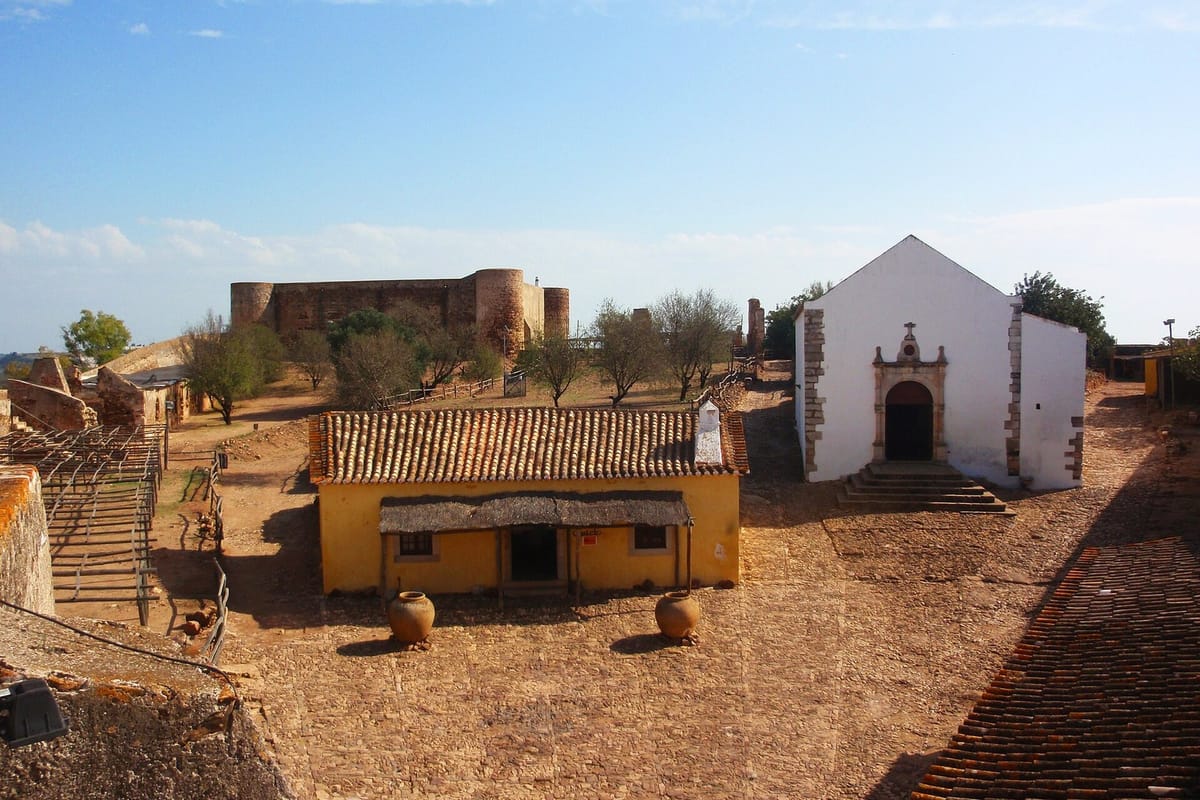
A care home in Castro Marim, in the eastern Algarve, is finding that dementia no longer arrives only in old age. The Estrutura Residencial e Centro de Dia José Cabrita (José Cabrita Residence and Day Centre) is the first institution in southern Portugal dedicated exclusively to neurodegenerative diseases such as dementia and Alzheimer's, RTP reported on Sunday, and its main challenge today is caring for younger patients. One of them is 21.
The home looks after 70 patients, all diagnosed with a neurodegenerative disease, chiefly dementias and Alzheimer's, according to an earlier RTP report on 12 November. That report said 35 percent of residents are aged between 47 and 70, and that diagnoses at an early age are an increasingly frequent case for the team.
Outings rather than extra medication
The residence says it relies on an approach that is not built mainly on drugs. "The concern is to try to integrate this group of 70 patients into a town: to go out with them, take walks, go to the beach, do flamenco dancing, yoga, psychotherapy, stimulation," the neurologist Isabel Valente told RTP.
How it was built
The home belongs to the Santa Casa da Misericórdia de Castro Marim (Castro Marim's Holy House of Mercy, a Catholic charity) and was inaugurated on 24 March 2023, according to the Câmara Municipal de Castro Marim (Castro Marim Town Council). The council described it at the time as the first unit of its kind south of the Tagus and one of the first in the country.
According to the council, the building offers permanent or temporary residential places for 70 adults with a neurocognitive disorder, with a neurocognitive rehabilitation unit and specialised health services, plus a day centre planned for 20 people. It cost 5 million euros. The European Regional Development Fund put in 1,557,766.69 euros through the CRESC Algarve 2020 regional programme and the council added 1 million euros; the Misericórdia covered the rest from its own funds and a bank loan.
What it means for you
For families living with dementia anywhere in Portugal, these official tools are the starting point:
- Find a care home or day centre near you. The Carta Social (the social services map), run for the Ministry of Labour, Solidarity and Social Security, lets you search by type of service, such as residential homes (ERPI), day centres and home support, and by area. The site is in Portuguese, with an English version in beta.
- Get recognised as a carer. Anyone who gives regular or permanent care to a dependent family member can ask the Instituto da Segurança Social (Social Security Institute) to recognise them under the Estatuto do Cuidador Informal (informal carer status). Recognition opens access to training, psychosocial support and counselling, and a principal carer, who lives with the person and earns no wage, may also qualify for the carer's allowance (subsídio de apoio ao cuidador informal principal). We explained how the carer status works earlier this month.
- Ask about respite. A pilot now running in 18 councils lets recognised carers leave their relative at a day centre or with home care for up to seven hours.