Baião Will Cover Up to 1,200 Euros of Baby Costs for Every Child Born This Year, Provided Families Shop Locally
The Douro council's new First Steps scheme, in force from Thursday, refunds receipts for food, clothes, furniture and health care bought in local shops. Four parishes published smaller birth grants of their own on the same day.
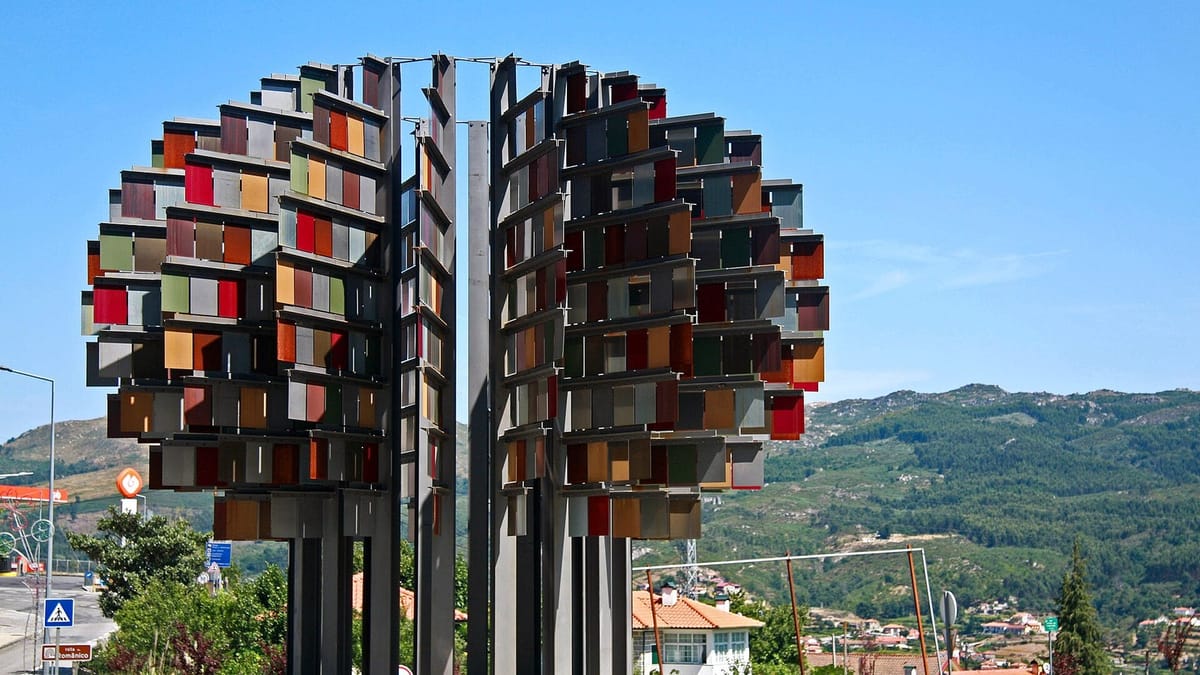
Families in Baião, a council on the Douro in the district of Porto, can now claim up to 1,200 euros for every child born or adopted since 1 January 2026. The rules, published in the Diário da República (Official Gazette) on Wednesday, take effect on Thursday.
The scheme, called Baião Primeiros Passos (Baião First Steps), replaces the council's previous birth support, a baby kit handed out under the name "Nascer, crescer e viver em Baião é fixe" ("Being born, growing up and living in Baião is cool"). It was approved by the council executive on 28 July and by the municipal assembly on 19 September, and is written into the municipal code as Edital n.º 1263/2026.
A refund, spent locally
The 1,200 euros is not a cash grant. Once an application is approved, the council refunds spending on goods and services "considered indispensable to the healthy and harmonious development of the child", up to that ceiling. The rules list health goods and services, food, hygiene products, childcare equipment, furniture, and children's clothing and shoes.
There are three conditions on the spending. It must be made in shops in the council area. Invoices must cover only the eligible products, itemised, and the claim must add up to at least 300 euros. Purchases count from three months before the birth until two years after the support is granted.
When the scheme was announced on 9 September, the council presented it as support for both the birth rate and local shops, according to Notícias ao Minuto.
Who qualifies
Applications must be made within 365 days of the birth or adoption. The applicant must have been "recenseado" in Baião, on a permanent basis, for more than a year when applying, and the household must have no debts to the council, unless a payment plan is being kept up. Families who already received the old baby kit cannot claim again.
"Recenseado" usually means registered on the electoral roll. The regulation does not define the term further, and it does not say whether foreign residents who cannot register to vote may qualify by some other proof of residence. Applicants must supply a certificate from their Junta de Freguesia (parish council) giving their address, the make-up of the household, and confirmation that they have been registered in the council for more than a year. Families unsure where they stand should ask the council's social services, which assess the applications.
Other documents required are the application form, the parents' identity cards, the child's birth certificate or proof of registration, proof of guardianship or adoption where relevant, and proof of the bank account (IBAN). An applicant whose claim is going to be refused has ten working days to respond before a final decision.
Parishes go smaller
Baião was not alone in Wednesday's gazette. Four parish councils published birth incentive rules of their own on the same day. In the União das Freguesias de Azambujeira e Malaqueijo, in Rio Maior, the payment is 200 euros a child. In Longos Vales, in Monção, it is a one-off 150 euros per birth, multiplied in the case of twins or triplets. Santa Clara de Louredo, in Beja, and São Vicente de Lafões, in Oliveira de Frades, also approved birth support rules.
The same issue of the gazette carries a second Baião regulation, setting up a municipal affordable rent programme under the national simplified affordable rent regime.
Nationally, births have been edging down: the latest monthly figures from the national statistics institute showed births slipping three percent in July.