Ambiente Folds a 'Superior Interesse Público' Mechanism Into the Pending Sistema Eléctrico Nacional Diploma — Renewables-Acceleration Tool Sits Against a 30 GVA Grid-Connection Backlog and a 22 July RED III Stand-Still Cutoff
Maria da Graça Carvalho told Friday's ECO conference the pending SEN diploma carries a 'superior interesse público' mechanism for renewables. The 750 MVA battery leilão lands 29 June; 30 GVA of grid-connection requests sit pending; RED III targets diploma stand-still ends 22 July.
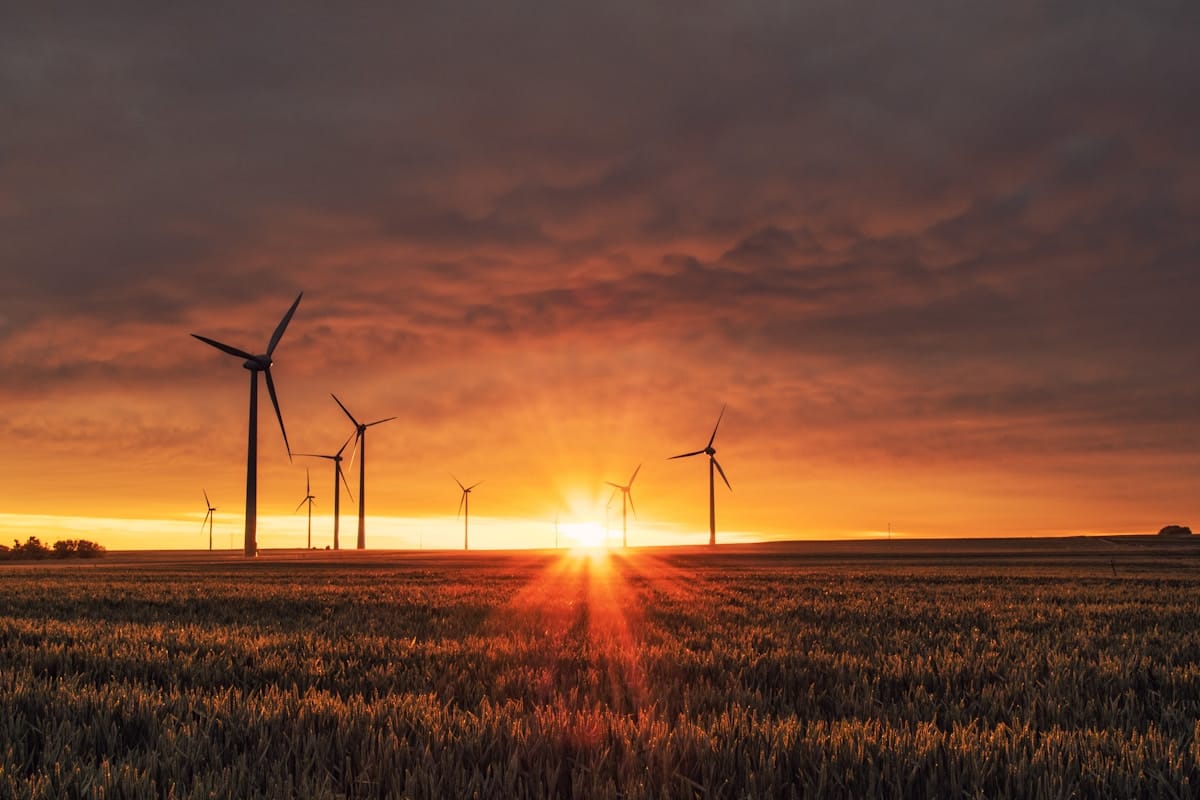
The new diploma that rewrites the organisation and operation of the Sistema Eléctrico Nacional (SEN) — approved at the Conselho de Ministros on 19 March 2026 and now awaiting promulgation by President António José Seguro — will carry a 'superior interesse público' mechanism to accelerate renewable projects, Minister of Environment and Energy Maria da Graça Carvalho told the ECO-organised "Energia que Move o País" conference on Friday 30 May. The instrument applies to the planning, construction and operation of renewable generation centres and storage installations, and the Government reserves it for "duly justified cases" rather than as the default routing.
How the Superior-Public-Interest Tool Will Work
The mechanism is the latest iteration of a regime that already exists in Portuguese administrative law — the figure of declaração de utilidade pública with the additional procedural weight of national strategic interest. Inside the SEN diploma, it pulls a renewable centro electroprodutor or a storage asset out of the standard licensing track and into a coordinated cross-ministry approval window, with environmental, land-use and grid-connection pre-conditions reviewed in parallel rather than sequentially. The minister insisted the priority remains case-by-case alignment with the consulting authorities; the superior-interesse-público lever activates only when the standard route stalls a project the Government deems necessary for the 2030 PNEC trajectory.
The 750 MVA Battery Auction and CfD Contracts
The same intervention confirmed the 29 June reveal of the leilão for 750 MVA of battery storage, paired with municipal revenue-sharing and a contracts-for-difference (CfD) framework being designed jointly with regulator ERSE. The CfD layer targets medium-and-long-term contracts mostly for higher-risk-and-investment technologies — wind in particular, including upgrades to existing parks to lift capacity and efficiency. The objective is twofold: reduce consumer exposure to wholesale-price volatility and stabilise investor revenues without distorting the MIBEL price-formation mechanism.
The Grid-Connection Backlog Is the Binding Constraint
Carvalho put a number on the bottleneck. In June 2025, 30 GVA of network-connection requests sat pending at the Rede Nacional de Transporte, with a further 9 GVA already awarded but not yet in operation. The Government extended the Zona de Grande Procura regime to the whole continental territory, attracting expressions of interest equivalent to 4.6 GVA. REN has already flagged the need for roughly €400 million of reinforcement investment to absorb the demand surge — the figure that quietly defines the trajectory of Portuguese electricity-grid capex through 2030.
RED III Transposition Heads Into the Final Stretch
The transposition of the EU Renewable Energy Directive (RED III) is split into three diplomas: the renewable-incorporation targets, the SEN regime now awaiting promulgation, and the technical specifications for fuels. The targets and fuels diplomas are already public but unapproved because of European Commission stand-still periods. The fuels diploma cleared its stand-still on 18 May and is queued for the next Conselho de Ministros; the targets diploma remains inside the stand-still window until 22 July, after which the same Council route applies.
What This Means for Expats and Residents
- Renewables permitting timelines tighten. Solar and wind projects across the Alentejo and the northern serras gain a route around câmara-level objection cycles where the project sits inside the PNEC priority list — though the câmara-revenue-share that pairs with the battery leilão is the political offset the Government is offering local executives.
- Electricity tariff trajectory. The CfD layer is the consumer-protection promise behind the renewable push. If the contracts are well-calibrated, residential exposure to wholesale spikes flattens by 2027–2028; if not, the tariff-deficit smoothing mechanism inside the ERSE framework absorbs the gap and pushes the cost out across a decade.
- Property and land use. The Mapa Verde already identifies preferential zones covering 7% of continental territory; the superior-interesse-público overlay sits on top of it. Rural-property buyers in those zones should anticipate accelerated permitting and a heavier renewable footprint over the next five years.
- Grid-connection waiting list is real. Self-consumption installations of any meaningful scale and small EPC projects still face the same RNT queue. The €400 million REN reinforcement does not unblock the legacy backlog immediately — it is a 2027-and-after programme.
- Wind upgrades coming. The CfD design pointed at "higher-risk technologies" reads as a re-powering pipeline for the existing wind fleet. Investors and contractors with on-site experience are the marginal beneficiaries; the EDP, Iberdrola and ENGIE platforms are the obvious counterparties.
The promulgation window for the SEN diploma is the immediate variable. Once Belém releases the text, the superior-interesse-público mechanism is live; the 29 June battery-leilão reveal then becomes the first concrete application of the broader framework.