Almada and Seixal's Light Rail Faces Two Full Days of Strike From Tuesday, With Only Line 3 Guaranteed at Rush Hour
Metro Sul do Tejo drivers strike all day on 20 and 21 October, then for the last two hours of every shift until 27 October. Line 3 runs from 07:00 to 09:00 and 17:00 to 19:00; Line 2 riders should change at Bento Gonçalves.
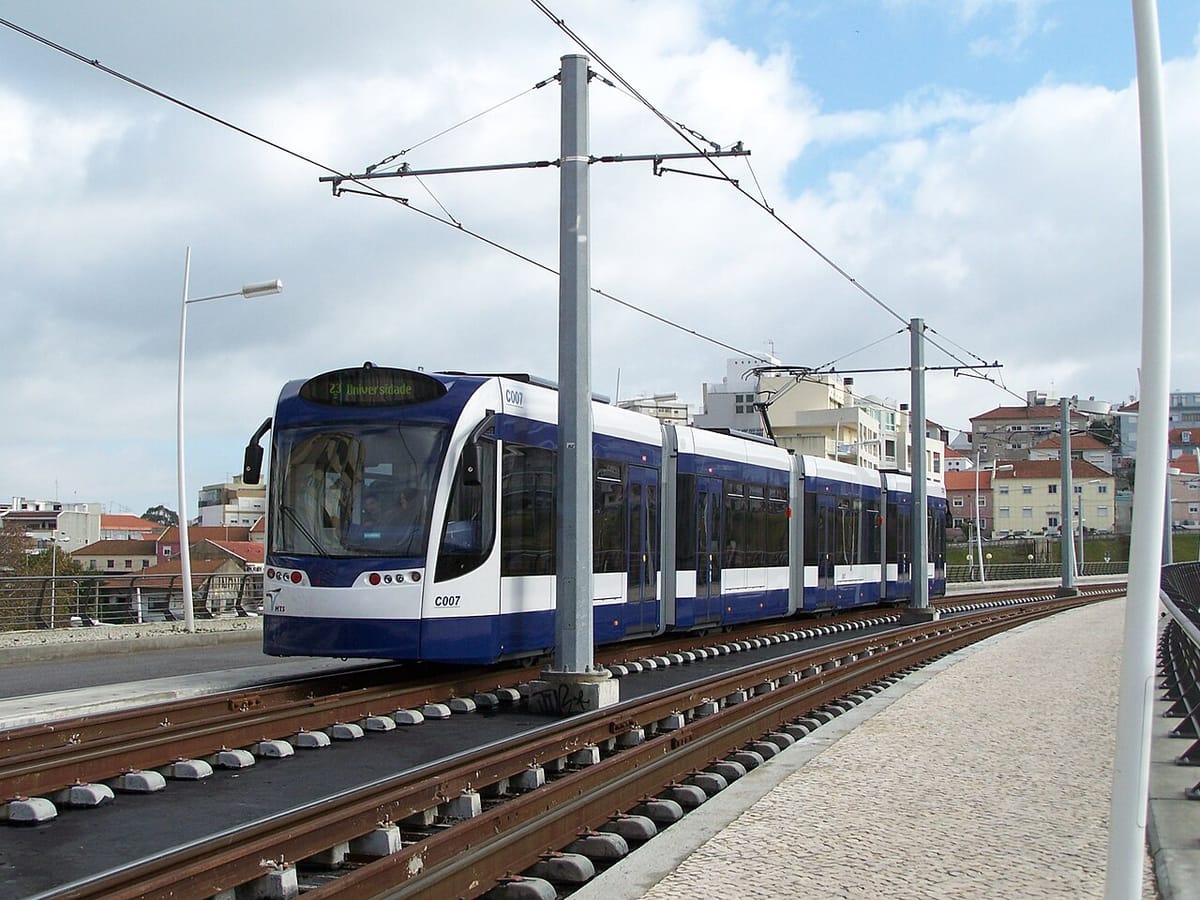
Drivers on the Metro Sul do Tejo, the light rail network that runs through Almada and Seixal on the south bank of the Tagus, are on strike all day on Tuesday 20 and Wednesday 21 October. From Thursday 22 to Tuesday 27 October they will stop work for the last two hours of every shift. Metro Transportes do Sul (MTS), the company that runs the network, says passengers should expect "strong disruption" until 02:00 on Thursday and possible changes to services until 02:00 on Wednesday 28 October.
The strike was called by the Sindicato Nacional dos Maquinistas dos Caminhos de Ferro Portugueses (SMAQ, the National Union of Portuguese Railway Drivers). The notice was served on MTS alone, so Fertagus trains, the Cacilhas ferries and buses run by other operators are not part of it.
What runs, and when
According to the notice MTS published on 16 October:
- Line 3 (Cacilhas to Universidade) is covered by the minimum services set for the strike. Trams will run between 07:00 and 09:00 and between 17:00 and 19:00 every day from 19 to 27 October.
- Lines 1 and 3 will otherwise run "whenever possible". Line 1 links Cacilhas and Corroios.
- Line 2 (Corroios to Pragal) passengers are told to change at the Bento Gonçalves stop and continue on Lines 1 and 3.
The worst of the disruption runs from 16:30 on Monday 19 October to 02:00 on Thursday 22 October, which covers the two full strike days and the shifts that run past midnight into them. From 05:00 on Thursday to 02:00 on 28 October, MTS warns of "constraints and changes" while the shorter stoppages at the end of each shift continue. The strike also covers shifts that start on 27 October and end on the 28th.
Outside the guaranteed hours on Line 3, nothing is promised. If you rely on the tram to reach the ferry at Cacilhas, the Fertagus station at Pragal or the NOVA university campus at Monte de Caparica, plan another way in or allow extra time. The company's line status board on its homepage shows whether each line is running.
Why the drivers are striking
SMAQ says the strike follows about two and a half years of talks on a new acordo de empresa (company collective agreement) with no result, Lusa reported on Monday. The union wants better working conditions, a pay rise that makes up for lost purchasing power, and for decisions on how work is organised to go through collective bargaining rather than being set by the company alone. Its president, António Barata Domingues, told Lusa that 30 months have passed when the protocol for the talks set 12, and that only the union had put a document on the table.
The company sees it differently. In a statement on its website, the MTS board calls the strike "disproportionate" and says it was "surprised" by the notice. It says pay rises over the last four years have been between 7.7 and 12.8 percent, "well above" inflation, and that it was SMAQ that suspended the talks at their last meeting, on 17 September. It also says SMAQ's proposals have repeatedly had "nothing to do with" the company's operations.
More transport strikes this month
The south bank is not the only place where commuters face stoppages. Across the river, Lisbon Metro workers have called two five-hour strikes for the morning rush on 28 and 30 October.