Algarve vs Lisbon vs Porto: Where Should You Live in Portugal in 2026?
Portugal has three regions that attract the vast majority of incoming expats: Lisbon, Porto, and the Algarve. Each offers a genuinely different experience of Portuguese life — and choosing the wrong one is one of the most common (and expensive)...
Portugal has three regions that attract the vast majority of incoming expats: Lisbon, Porto, and the Algarve. Each offers a genuinely different experience of Portuguese life — and choosing the wrong one is one of the most common (and expensive) mistakes newcomers make.
This guide cuts through the vague "it depends" advice and gives you a structured comparison so you can make an informed decision before booking viewings.
The Headline Differences
| Factor | Lisbon | Porto | Algarve |
|---|---|---|---|
| Climate | Warm, mild winters | Cooler, more rain | Hot summers, very mild winters |
| City size | 545,000 (metro 2.8M) | 230,000 (metro 1.3M) | Small towns/villages |
| Property: buy (€/sqm) | €3,500–7,000+ | €2,000–4,500 | €2,000–8,000+ (coast) |
| Rent: 2-bed apartment | €1,500–2,800/mo | €900–1,800/mo | €800–2,000/mo (seasonal) |
| International airport | ✅ Major hub | ✅ Good connections | ✅ Faro (seasonal peaks) |
| English spoken | Widely | Widely | Very widely (tourist area) |
| Job market (employed) | Strong (tech, finance, multinationals) | Growing (tech, tourism, services) | Mostly tourism & hospitality |
| Remote worker suitability | High (coworking, fast internet) | High (cheaper, good infrastructure) | High (if rural broadband isn't an issue) |
| Expat community | Large, diverse | Growing fast | Large, mostly UK/Northern European, older |
| Portuguese integration | Harder (everyone speaks English) | Easier (more local feel) | Harder (very anglophone bubble) |
Lisbon: The Capital Experience
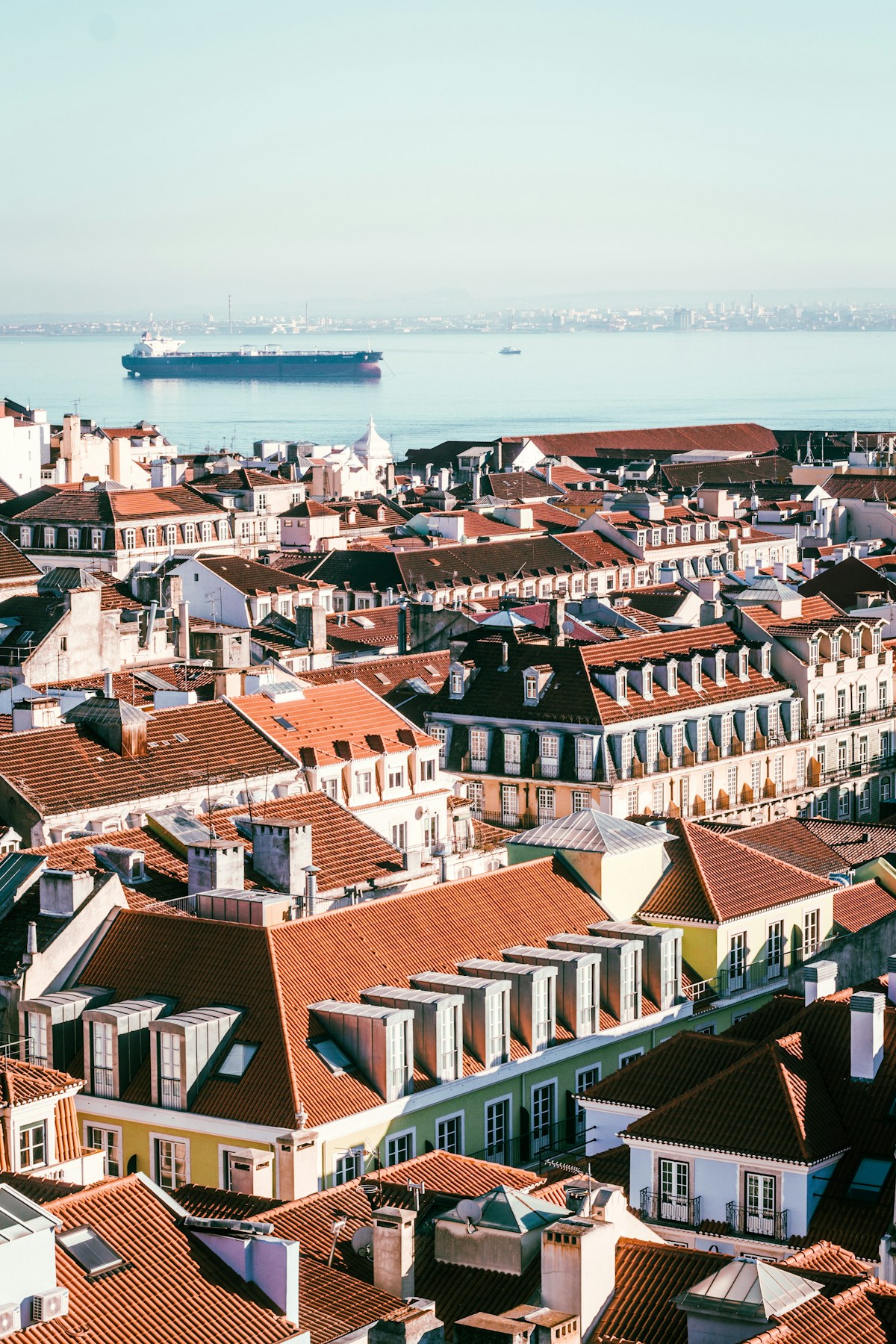
Lisbon is Portugal's economic and cultural centre. It punches above its weight for a city of 545,000 people — genuinely vibrant restaurant, arts, and nightlife scenes; excellent international connections; strong tech and finance job market (home to Web Summit since 2016); and that specific energy of a European capital that hasn't been over-sanitised.
Who thrives in Lisbon:
- Employed professionals working for multinationals, tech companies, or financial services
- Entrepreneurs and remote workers who want urban infrastructure and networking
- People who want maximum cultural access — museums, theatre, dining, nightlife
- Single professionals and couples without children (Lisbon's international schools are good but expensive: €10,000–20,000/year)
- People who travel frequently and need the best flight connections
The downsides:
- Property prices have risen dramatically — Lisbon centre now rivals mid-tier European capitals. €3,500/sqm is the floor; €5,000+ is common in sought-after neighbourhoods (Príncipe Real, Chiado, Alvalade, Parque das Nações)
- Rents are high. A decent 2-bed in a good neighbourhood: €1,800–2,500/month
- Traffic is bad. Parking is a nightmare. Public transport (Metro, trams, Fertagus) is functional but patchy outside the centre
- Heavily touristified central areas — the Alfama, Bairro Alto and Baixa are saturated with short-term lets
- The real Lisbon life is in the eastern districts (Marvila, Beato, Mouraria) and on the south bank (Almada, Barreiro) — which newer arrivals often overlook
Best neighbourhoods for expats: Alvalade (families, calm, excellent local amenities), Campo de Ourique (village feel, great restaurants), Intendente (up-and-coming, authentic, cheaper), Parque das Nações (modern, family-friendly, near airport), Cascais/Estoril line (commutable beach towns for families with budgets).
Porto: The Case for Portugal's Second City
Porto has been quietly winning the "best city in Europe" awards for a decade, and the expat community has noticed. It has Lisbon's charm — historic neighbourhoods, excellent food, fado — but at 60–70% of the cost and with a more authentically Portuguese atmosphere.
Who thrives in Porto:
- Remote workers and digital nomads who want city amenities at lower cost
- Creatives, writers, and artists (strong community, affordable studios)
- People who specifically want to learn Portuguese (fewer English speakers in daily life)
- Families who want a city base but can't stretch to Lisbon prices
- Wine and food obsessives (this is the heartland of port wine, bacalhau, francesinha)
- Those who prefer a smaller, more human-scaled city — Porto is genuinely walkable
The downsides:
- Fewer international job opportunities than Lisbon (though growing fast — companies like Farfetch, Natixis, and Bosch have large Porto presences)
- More rain and cooler winters than the south — roughly 1,150mm of rainfall per year vs Lisbon's 725mm. Winters are mild by Northern European standards (average 10–12°C) but wetter
- Public transport is improving (Metro, tram 1, Andante card) but still car-dependent in outer areas
- Property prices in Foz do Douro and Bonfim have risen sharply — the bargain days are fading, though it remains cheaper than Lisbon
Best neighbourhoods for expats: Bonfim (hip, growing, good value — the "new Marvila"), Cedofeita (central, arts, cafés), Matosinhos (beach, seafood, slightly suburban feel), Foz do Douro (upmarket, families, beautiful), Paranhos/Asprela (near university, budget-friendly).
The Algarve: The Sunshine Retirement
The Algarve is not really a city — it's a 150km coastline of small towns, villages, golf resorts, and beaches. Faro is the capital (population ~65,000). Most expats settle in the central and western Algarve: Vilamoura, Albufeira, Lagos, Tavira, Carvoeiro, Luz.
It's genuinely different from Lisbon and Porto. This is largely where older British (and increasingly Northern European and American) expats retire to. The climate is exceptional — 300+ sunny days, very mild winters, hot dry summers. The pace of life is slower. The community is tighter. The golf is world-class.
Who thrives in the Algarve:
- Retirees and semi-retirees with passive income or pensions — especially those claiming NHR/IFICI tax benefits
- Families who want space, safety, excellent international schools (St. Anthony's, Nobel International, Cornerstone), and outdoor lifestyle
- Property investors (holiday rental yields: 5–8% gross in prime areas)
- Remote workers who don't need a city and prioritise outdoor lifestyle
- Anyone whose mental health benefits from warmth and sunshine
The downsides:
- Seasonality is real. Many restaurants, bars, and shops close October–March. The Algarve of July is not the Algarve of January
- Car dependency — you need a car for almost everything outside the main towns
- High tourist footfall in summer makes certain areas feel like a theme park (Albufeira Old Town, certain Vilamoura strips)
- Property at the coast has been appreciating rapidly — Lagos 1-bed apartments now €200,000–350,000+; Quinta do Lago and Vale do Lobo villas exceed €2M
- The expat bubble is real. You can live entirely in English, which some people love and others find stultifying
- Limited employment (mostly hospitality and tourism) — not viable if you need a Portuguese job market
Best towns by type: Lagos (young/active expats, nightlife, hiking, surfing nearby), Tavira (quieter, authentic, Eastern Algarve, cheaper property), Carvoeiro/Ferragudo (family-friendly, beach-focused), Vilamoura (upmarket, golf, marina), Silves (inland, Portuguese feel, property bargains).
The Climate Question
Portugal as a whole has excellent weather by European standards. But the differences within Portugal matter:
- Algarve: 300+ sunny days/year. Summers very hot (35–40°C possible). Winters mild (15–18°C). Rain mostly November–February
- Lisbon: ~2,800 sun hours/year. Summers warm (28–32°C). Winters mild (12–15°C avg). More wind than the Algarve
- Porto: ~2,300 sun hours/year. Summers pleasant (26–28°C). Winters coolish (10–14°C). Significantly more rain (Atlantic influence)
For SAD sufferers or those prioritising warmth: Algarve > Lisbon > Porto. For those who don't mind cooler, greener winters: Porto is fine.
Cost of Living Comparison (2026)
| Category | Lisbon | Porto | Algarve |
|---|---|---|---|
| 2-bed apartment rent | €1,800–2,500 | €1,000–1,600 | €900–1,800 |
| Utilities (electricity, water, gas) | €100–200 | €90–180 | €90–160 |
| Groceries (couple) | €300–500 | €280–450 | €250–400 |
| Eating out (decent restaurant, 2 people) | €40–80 | €30–60 | €35–70 |
| Car ownership (insurance, IUC, fuel) | €200–400 (optional) | €200–400 (optional) | €250–450 (essential) |
| Monthly total (couple, comfortable) | €3,500–5,500 | €2,500–4,000 | €2,500–4,500 |
The Verdict: Which One Is Right for You?
Choose Lisbon if: You're working (employed or running a business that requires in-person networking), you want maximum cultural access, or you travel internationally more than 4–6 times per year.
Choose Porto if: You're remote-working or freelancing, you want to save money vs Lisbon, you want a more authentic Portuguese experience, or you specifically want to integrate into Portuguese culture and language.
Choose the Algarve if: You're retired or semi-retired, you want sun and outdoor lifestyle as your primary value, you don't need the job market, or you're investing in property for holiday rental income.
The "try before you buy" rule: Rent for at least six months in any area before purchasing property. The Algarve in July and the Algarve in December are two different countries. Lisbon in summer tourist season versus Lisbon in January (quiet, local, actually quite lovely) are also vastly different experiences.
Most expats who've been here a while will tell you the same thing: they wish they'd rented for a year in their chosen city before committing — and many ended up somewhere different from where they first thought they'd settle.