Algarve Spends €20 Million Replenishing Sand at Loulé and Portimão Beaches Ahead of the 2026 Bathing Season — Quarteira-Garrão Empreitada Pumps 1.4 Million m³ Across 6.6 km for €14.9M with a 37-Metre Average Widening
APA wrapped roughly €20 million of artificial sand replenishment across the Algarve before the 2026 bathing season — €14.9M and 1.4 million m³ of dredged sand at Quarteira-Garrão in Loulé, plus a €1.5M Vau-Três Castelos redistribution in Portimão.
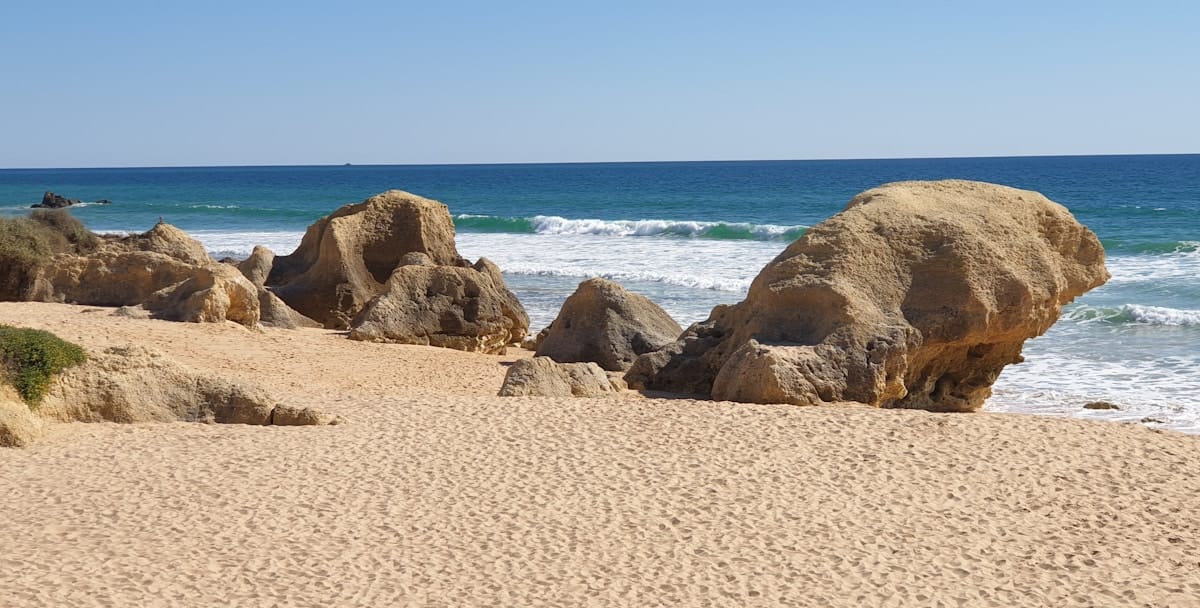
Portugal's Agência Portuguesa do Ambiente (APA, Portuguese Environment Agency) closed two artificial beach-nourishment empreitadas covering roughly eight kilometres of Algarve coast in the run-up to the 2026 época balnear (bathing season). The headline numbers — flagged by Expresso on 7 June — frame an approximately €20 million coastal-protection push concentrated on the Loulé and Portimão concelhos, with the bulk of the spend going to the Quarteira-Garrão stretch where winter storms have repeatedly stripped the beach face since 2024.
Quarteira-Garrão Soaks Up €14.9 Million and 1.4 Million m³ of Dredged Sand
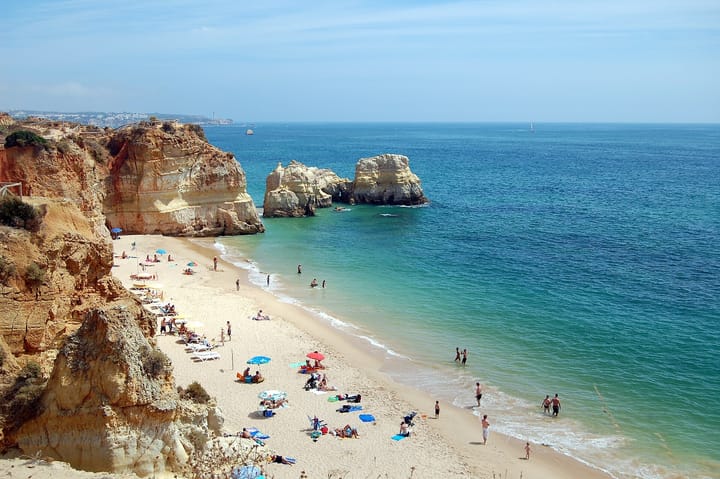
The flagship empreitada runs 6.6 kilometres along the Loulé coastline between Quarteira and the Garrão, taking in five of the most exposed beaches — Trafal, Vale do Lobo, Garrão, Quarteira and Forte Novo. APA awarded the contract for €14.9 million through the Sustentável 2030 strand of the Portugal 2030 EU programming round, with the works starting on 12 January 2026 and the agency targeting a completion date around 6 May to clear the official 1 June bathing-season opener.
The technical brief calls for roughly 1.4 million cubic metres of marine sediment — enough to fill around 560 Olympic swimming pools — dredged from a previously assessed offshore borrow area and pumped onto the beach face through floating pipelines. Once distributed and shaped, the design widens the areal by an average of about 37 metres across the whole 6.6-kilometre run, restoring a sand buffer that has been progressively thinned by the storm cycles of recent winters and that local autarcas have repeatedly flagged at Praia do Forte Novo, which loses sand seasonally even in average years.
Portimão Picks Up €1.5 Million for Sand Redistribution Between Vau and Três Castelos
The second front opened earlier on the western Algarve. Between Praia do Vau and Praia dos Três Castelos in Portimão, APA contracted a €1.5 million, seven-month operation covering 1,350 metres of waterfront. Rather than dredging fresh sand from offshore, the Portimão job leans on transport of accumulated sediment from neighbouring Praia da Rocha — a redistribution that compensates for chronic erosion along the Vau-Três Castelos arc while drawing down a sand surplus that has been building further east. Stacked with the Loulé empreitada, the two contracts together push APA's pre-summer Algarve coastal-protection envelope toward the €16 to €20 million range, depending on how follow-on post-storm interventions get absorbed. Praia da Rocha, on the same stretch of Portimão coast, is one of the stranding sites named in Portugal's new action programme for the invasive alga.
Ministry Frames the Push as Coastal Safety, Not Just Tourism
The Ministra do Ambiente e Energia, Maria da Graça Carvalho, has anchored the spend in safety language rather than tourism positioning — telling reporters in January that the government is "empenhada em garantir a segurança das populações e em proteger a faixa costeira do país" (committed to guaranteeing the safety of the populations and to protecting the country's coastal strip) and signalling that a reprogramação of coastal investments would be needed after the winter storm tape. Operationally, the priority list inside APA orders interventions by exposure: the eastern Loulé arc and the Vau-Três Castelos pocket in Portimão went into the 2026 window, with broader Algarve coastal works queued for 2027 under the same Sustentável 2030 envelope.
What It Means for Residents, Renters and Tourism Operators
For the day-to-day expat in the central Algarve, the practical read is straightforward: the Loulé beaches that disappeared into a thin strip last winter — most visibly at Forte Novo and Quarteira — should reopen for the 2026 summer with the 37-metre design widening in place, restoring the towel-and-umbrella footprint that the hotel and beach-bar concessões depend on. The structural read is less reassuring. APA's own framing treats the 2026 empreitadas as maintenance against a worsening storm baseline rather than a one-shot fix, which is consistent with the long-running pattern at Forte Novo where the beach reliably re-erodes through winter. The same Sustentável 2030 envelope is already being drawn on for the 2027 cycle, and the Ministry's January remarks about a coastal-investment reprogramação suggest that the Algarve sand bill — currently around €20 million for two works — is on a rising trend as climate-driven storminess compounds on top of decades of structural sediment deficit along the central Algarve barrier coast. On the coastal-management side of the file, the invasive alga Portugal is not allowed to sell sets out why EU law bans placing Rugulopteryx okamurae on the market and which document would unlock it.