AIMA Hits Immigrants with Up to 33% Fee Increase — and the Backlash Has Already Begun
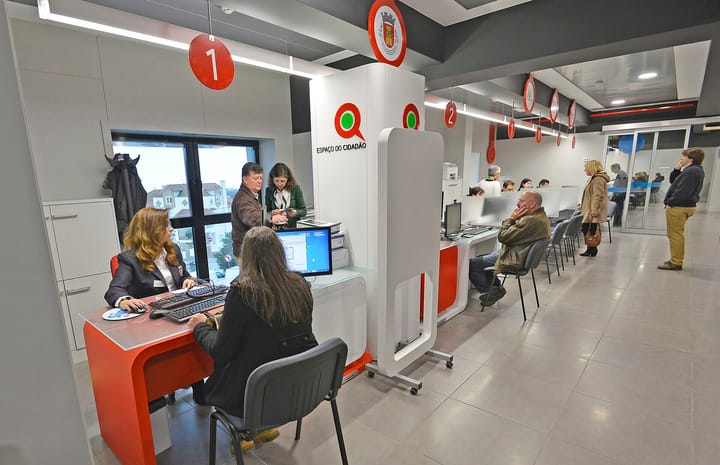
As of 1 March 2026, applying for legal residency in Portugal just got noticeably more expensive. The Agency for Integration, Migration and Asylum (AIMA) has updated its fee schedule for the first time in nearly a year, with increases of up to 33% on...

As of 1 March 2026, applying for legal residency in Portugal just got noticeably more expensive. The Agency for Integration, Migration and Asylum (AIMA) has updated its fee schedule for the first time in nearly a year, with increases of up to 33% on the most commonly requested administrative acts, including initial residence permit applications and their renewals.
The change is grounded in an update to Decree No. 307/2023 and represents the largest single fee adjustment in recent years. For many of the hundreds of thousands of foreign nationals currently navigating Portugal's immigration system, the timing is uncomfortable. AIMA is still working through a backlog of applications that accumulated during years of administrative dysfunction, and higher fees are arriving before meaningful improvements in processing speed have been felt across the board.
In concrete terms, an initial residence permit now costs between €150 and €170. Citizenship applications remain at €170. While those figures might seem modest in isolation, for immigrants — particularly those from lower-income countries who came to Portugal for work — a 33% increase represents a real household pressure, especially when combined with legal fees, translation costs, and the indirect costs of delays.
The backlash has been swift. Immigrant advocacy groups have begun collecting testimonies for a formal complaint against the Portuguese state at the European Court of Human Rights, citing alleged non-compliance in the management of migration processes. Whether that complaint gains traction remains to be seen, but it signals a community that feels consistently underserved by the institutions meant to support its integration.
Portugal's defenders will point to the broader European context, and they are not wrong to do so. Germany's naturalisation process costs approximately €255. Italy charges around €250, plus additional administrative fees. The Netherlands remains Europe's most expensive jurisdiction for those seeking citizenship, with naturalisation alone costing around €970, on top of €350 fees for high-skilled work permits. Against that backdrop, Portugal at €170 remains comparatively accessible.
But comparisons with Germany and the Netherlands ring somewhat hollow when the quality of service being paid for does not approach those countries' standards. Portugal has acknowledged that AIMA needs structural reform, and the government has pushed through some digital improvements in recent months. Still, the combination of higher fees and a system still finding its footing leaves many immigrants in a frustrating position: paying more for a process that continues to move slowly.
For those considering a move to Portugal, or already partway through an application, the practical message is simple: budget for higher upfront costs, and factor in potential delays. Portugal remains one of the more welcoming immigration destinations in Western Europe by cost and by culture, but the administrative road to residency has grown more expensive overnight.