Jean Barroca Confirms Undeclared High-Income Foreigners Are Drawing the Tarifa Social de Eletricidade — Government Will Tighten the 2016 Auto-Assignment Rules After IEA Flags 760,000 Households, the Same Count as Spain at a Quarter of the Population
Energy Secretary of State Jean Barroca said on Friday that high-income foreigners who do not declare income in Portugal are drawing the tarifa social de eletricidade through automatic enrolment. With 760,000 households enrolled — identical to Spain — the rules will be tightened.
Secretary of State for Energy Jean Barroca said on Friday that high-income foreigners who live in Portugal but do not declare income to the national tax authority are drawing the tarifa social de eletricidade — and that the government intends to tighten the rules. The remarks were made at the Lisbon launch of the International Energy Agency's independent review of Portuguese energy policy, where the discussion turned to the policy costs that load the electricity bill.
The number that frames the debate
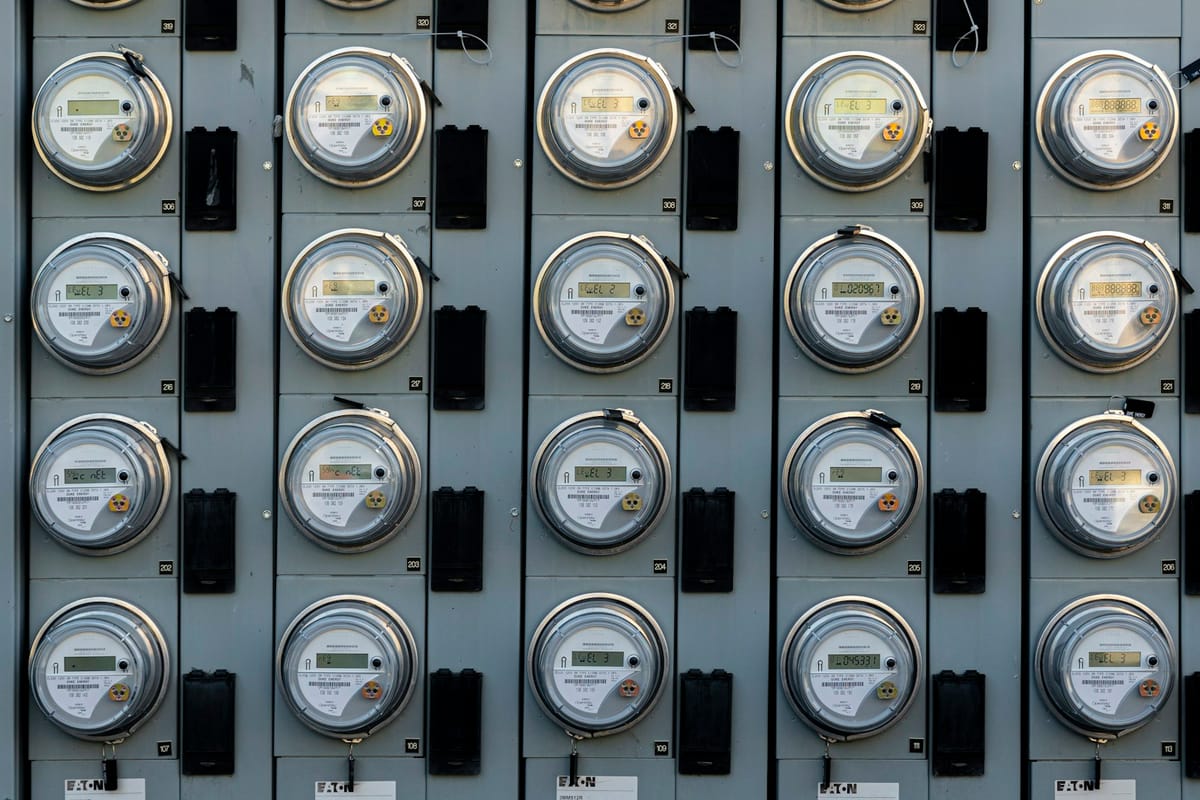
About 760,000 Portuguese households currently receive the tarifa social — a discount of more than 30% on the unit price of electricity that is funded across the system chain at a running cost of roughly €150 million per year. Barroca pointed out that Spain, with four times Portugal's population, has the same number of beneficiary households. That arithmetic alone is what is forcing a policy review: a discount aimed at vulnerable consumers cannot rationally be reaching one in five Portuguese households if it is calibrated to households living below the income line.
How the loophole opened
The tarifa social was negotiated during the first Costa cabinet under the geringonça parliamentary geometry with Bloco de Esquerda and PCP, and the automatic-enrolment mechanism took effect in 2016. Eligibility is verified by Autoridade Tributária and Segurança Social against a low-income filter — receipt of unemployment benefit, family allowance, or rendimento social de inserção. The model auto-enrols anyone the cross-check sees as eligible, and the consumer cannot opt out.
That last point is what produced the foreign-resident anomaly. A non-resident or non-tax-declarant in Portugal has no income visible to the cross-check. The system therefore reads them as low-income and auto-enrols them. Barroca framed the situation as a model defect rather than fraud: "the person cannot decline". The Secretary of State said his office became aware of the scope through letters from beneficiaries themselves asking to be removed.
The cost stack the IEA flagged
The tarifa social discount is one of several policy charges that the IEA recommends Portugal start unwinding from the electricity tariff. Barroca's own running list during Friday's presentation: a tariff deficit of €1 billion still being amortised, €600 million in guaranteed-remuneration contracts to legacy producers, the convergência tarifária that subsidises islands tariffs from continental ratepayers, and €315 million in low-voltage-network rents paid to municipalities. "Political choices that influence prices but are part of the system we have," he said.
What this means for expats
- If you receive the tarifa social and have undeclared global income: the auto-enrolment design means you may be benefiting unintentionally. Barroca said the political question now is who should be removed when the rules are tightened — declaration of worldwide income, not just Portuguese-source income, is the most likely test.
- If your bill carries the desconto: tarifa social line and you do not consider yourself low-income, expect that line to disappear when the new rules land. Barroca did not commit to a calendar; the change is in the government programme.
- Bill impact for everyone else: tarifa social costs are spread across the electricity system chain — producers, retailers, and ultimately final consumers. A tightened beneficiary base would relieve pressure on the system charge, but only modestly relative to the larger €1 billion tariff-deficit amortisation that drives the bill more.
- If you are a low-income resident who legitimately qualifies: the policy direction is more targeting, not removal. Barroca was explicit: "we want to make sure we are giving benefits to those who need them."
The political pathway is unsettled. Barroca did not commit a date, and any narrowing of the eligibility filter requires legislative work that runs through Concertação Social and parliament. But the IEA report has handed Lisbon an independent justification to do something the Costa-era settlement made politically expensive — and the Spain comparison is the line that will carry the room.