A Working Group Has Until March 2027 to Redesign How Portugal's University Hospitals Combine Patient Care, Teaching and Research
A despacho published on 23 October creates a ten-member group to design University Clinical Centres for the SNS hospitals that teach doctors. An interim report is due by 31 December and the final one by 31 March 2027. Nothing changes for patients yet.
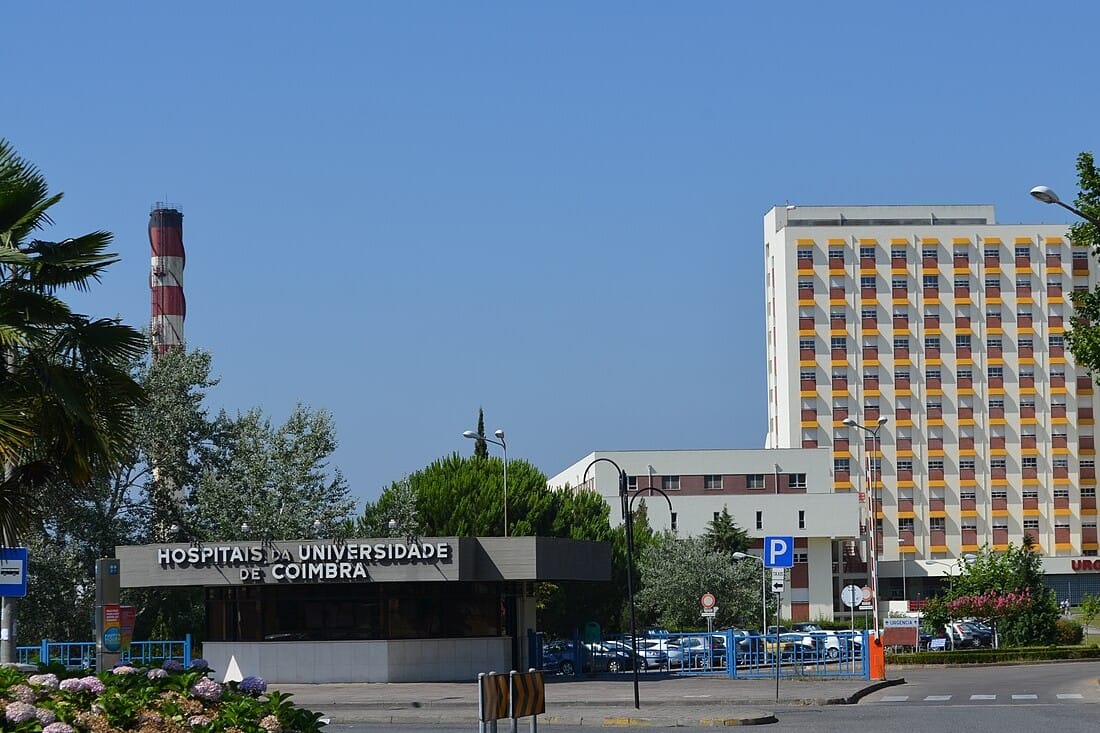
The Government has set up a working group to design Centros Clínicos Universitários (University Clinical Centres), a new model for Portugal's university hospitals that would bring patient care, medical teaching, training and research under one structure. Despacho n.º 12935/2026, signed by the ministers of Finance, of Education, Science and Innovation, and of Health, was published in the Diário da República (official journal) on Friday 23 October and takes effect the following day. Nothing changes for patients yet: the group's job is to write proposals, and its final report is due by 31 March 2027.
Where university hospitals stand now
Since Decreto-Lei n.º 102/2023 (decree-law) of 7 November 2023, hospitals in the Serviço Nacional de Saúde (SNS, the national health service) have been run together with the health centres in their area as Unidades Locais de Saúde (ULS, local health units). Several former university hospital centres became ULS under that law, among them ULS Santa Maria and ULS São José in Lisbon, ULS São João and ULS Santo António in Porto, and ULS Coimbra.
The despacho says the ULS that include university hospitals have a particularly demanding mission, combining highly complex care with undergraduate and postgraduate teaching, advanced training and clinical research. It recalls two earlier steps: Decreto-Lei n.º 61/2018, which created centros académicos clínicos (academic clinical centres) linking hospitals, universities and research institutes, and an independent technical commission set up in September 2024 to study university ULS. The Government's programme, it adds, commits to turning the university hospitals statute into University Clinical Centres, with a new governance and funding model.
What the working group must propose
- Governance. How the centres would be run and how they would work with the ULS, medical schools and research institutions, and the criteria a hospital must meet to be recognised as a centre.
- Staff. Ways to recognise professionals who treat patients, teach and do research at the same time, including how their time and pay are counted, and how hospital and university careers fit together.
- Funding. A model covering the extra cost of teaching and research that is not paid for through ordinary patient-care contracts, with its budget impact over several years.
- Law. A list of the legal obstacles and the changes to legislation needed to put the model in place.
Who sits on it and when it reports
The group has ten members: one from Finance, two from Education, Science and Innovation, two from Health, one from ACSS (the SNS central administration), one from the Council of Rectors of Portuguese Universities (CRUP), one from the Council of Portuguese Medical Schools (CEMP) and two from the ULS that include university hospitals. The education and health ministries coordinate it. Members are named within ten working days of the despacho taking effect, and they are not paid for the work.
An interim report, mapping the current legal framework and the governance and funding options with a first estimate of their cost, is due by 31 December 2026. The final report, with the proposed model and the legal changes it requires, is due by 31 March 2027. The group is then wound up 30 days later.
What it means for you
If you are treated at one of the big university hospitals, nothing changes now and there is nothing to do: your ULS, your family doctor and your appointments stay as they are. The despacho only commissions proposals. Any new model would need later decisions by the Government, including changes to the law, and no date has been set for that.