A Critical-Metals Firm Reserves Land at Sines for a 10,000-Tonne Antimony Refinery and 150 Skilled Jobs
ACM (Alchemy & Critical Metals) has reserved a 131,000 m2 plot in the Sines industrial zone to build a refinery producing 10,000 tonnes of antimony a year — a metal on the EU critical-raw-materials list — with around 150 direct jobs and operations targeted for 2030.
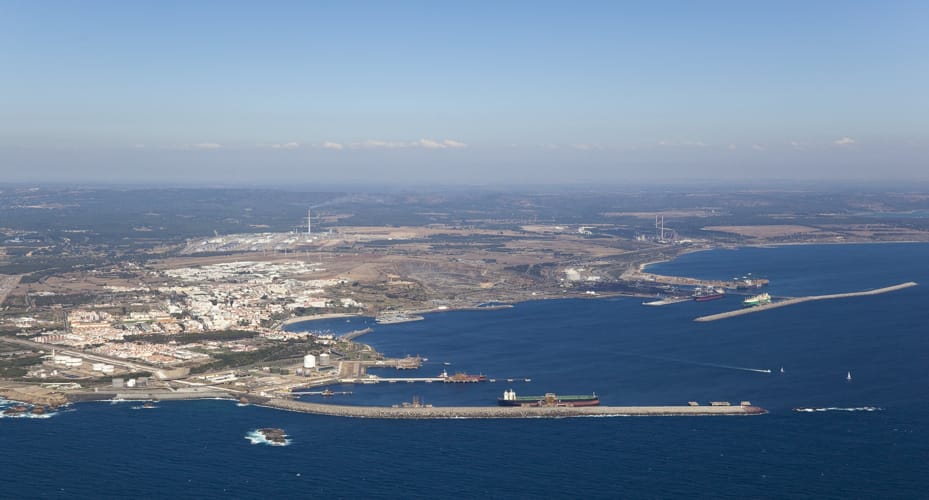
A newly-formed critical-metals company has reserved a large plot at Portugal's biggest industrial port to build something Europe barely has: a refinery for antimony, a strategic metal whose global supply is dominated by China. ACM (Alchemy & Critical Metals) signed a land-reservation contract on 15 June 2026 for a site in the Zona Industrial e Logística de Sines (ZILS, the Sines Industrial and Logistics Zone), and the plans became public this week.
The numbers
- The plot: 131,000 square metres in Zone 1 of ZILS — about the size of thirteen football pitches — held under a 30-year renewable surface right.
- Capacity: 10,000 tonnes of metallic antimony a year, split between 7,500 tonnes of primary production and 2,500 tonnes recovered from recycling.
- Jobs: roughly 150 highly-qualified direct posts, plus an estimated 300 indirect jobs across logistics, suppliers and services.
- Timeline: operations are targeted to begin in 2030.
Why antimony matters
Antimony is not a household name, but it is on the European Union's list of critical raw materials. It is used in semiconductors, batteries and energy storage, flame retardants, and — increasingly the point of anxiety — defence applications such as ammunition and night-vision equipment. Refining capacity is heavily concentrated in a handful of countries, China chief among them, and export curbs over the past two years have sent Western governments scrambling for alternative sources.
That is the strategic logic aicep Global Parques, which manages ZILS, is leaning on. Creating refining capacity inside Europe, the agency argues, "assumes particular strategic relevance" for diversifying supply and reducing the bloc's dependence on external suppliers. For Portugal, it is another piece of the industrial story it has been telling around Sines and the wider Alentejo.
Sines keeps attracting heavy investment
The deep-water port has become a magnet for capital-intensive projects. It anchors Nscale's 1.2-gigawatt hyperscale data-centre build, and the region's mining revival was on show last month when Almina opened a €400 million copper-zinc expansion at Aljustrel. A common thread runs through them: Portugal is selling itself as a place where cheap, renewable-heavy electricity can power the kind of energy-hungry industry the continent wants to reshore.
What this means for expats and residents
- Alentejo jobs: 150 skilled roles and hundreds of indirect ones is meaningful in a low-density region, and the qualifications sought suggest openings for engineers and technicians, including internationals.
- A long horizon: With operations not due until 2030, any employment or housing knock-on around Sines is a medium-term story, not an immediate one.
- Environmental scrutiny ahead: A metals refinery will face licensing and environmental review; residents in the area can expect public-consultation stages before construction.
Whether ACM delivers on schedule remains to be seen — land reservation is an early step, not a finished plant. But the project is a marker of where foreign industrial money is landing in Portugal, and of a Europe increasingly willing to pay to bring strategic supply chains home. On the Sines industrial file, Repsol's 830 million euro Alba project collecting its operating title for two 300,000-tonne polymer plants, a year behind the company's own published schedule is the latest step.