Almina Cuts the Ribbon on a €400 Million Aljustrel Expansion — 6 Million-Tonne Copper-Zinc Mill, €128 Million PRR Anchor and 40,000 MWh Solar Plant Land as Montenegro Promises Mining-Permit Simplification
Almina inaugurated a €400M expansion at the Aljustrel copper-zinc mine in Beja — €128M PRR-funded — doubling mill capacity to 6 million tonnes a year as PM Montenegro promised legislative simplification of Portugal's mining-permit regime.
Almina — Minas do Alentejo, the operator of the Aljustrel mine in the Baixo Alentejo, this week inaugurated a project labelled Feeding the Global Energy Transition, with a headline price tag of more than €400 million and a €128 million slice underwritten by the Plano de Recuperação e Resiliência (Recovery and Resilience Plan — PRR). Prime Minister Luís Montenegro cut the ribbon on site in Aljustrel, in the Beja district, framing the project as a foundational pillar of Portugal's contribution to the European Union's critical-minerals strategy.
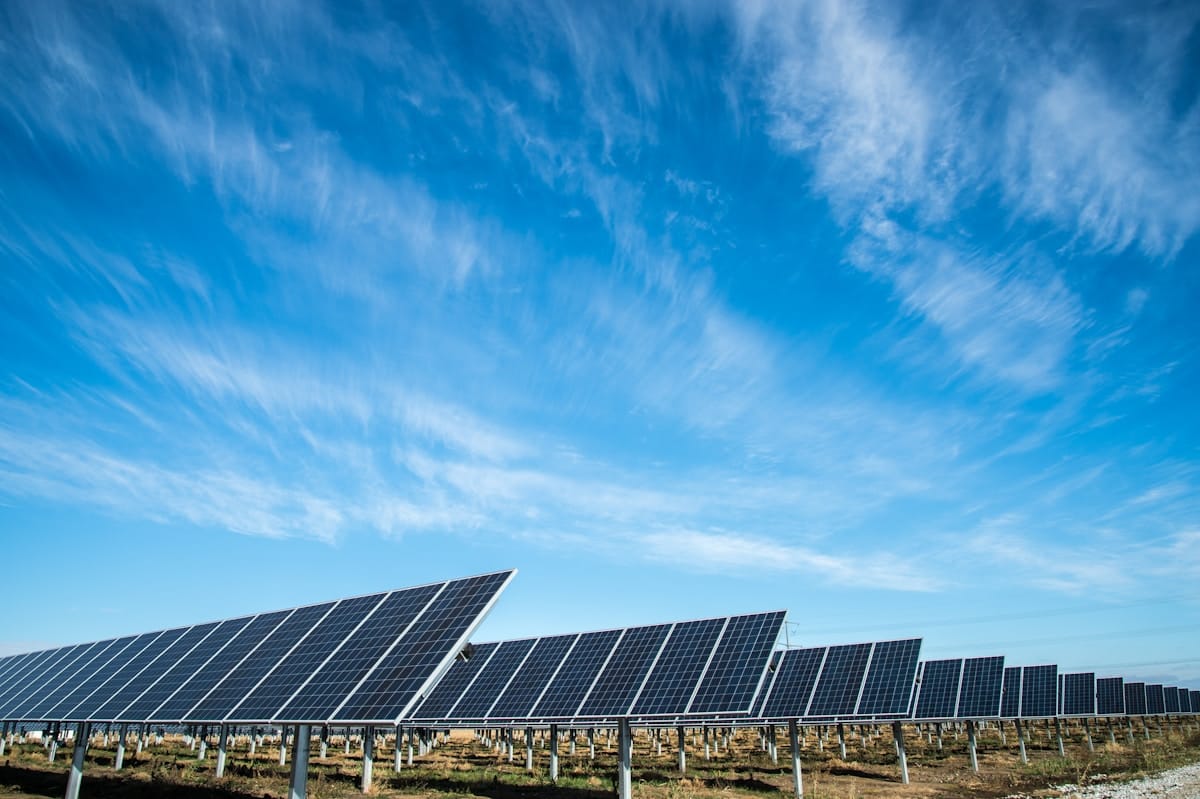
The headline operational upgrade is a new industrial mill that lifts the plant's annual processing capacity to six million tonnes of copper and zinc ore — a step-change that the company says positions Aljustrel among the larger polymetallic operations in Western Europe. The expansion sits alongside a dedicated on-site photovoltaic unit for self-consumption that is sized for more than 40,000 megawatt-hours of generation per year, designed to decarbonise the energy footprint of the milling and concentration circuit and to insulate the operation from grid-electricity price swings.
Almina has also signalled a follow-on commitment of roughly €150 million, spread across four years, to open and develop the Gavião copper deposit adjacent to the existing mine. That tranche is contingent on a positive Declaração de Impacte Ambiental (Environmental Impact Statement — DIA) from the Agência Portuguesa do Ambiente (Portuguese Environment Agency — APA), and would substantially extend the operational life and copper-output profile of the Aljustrel complex into the next decade.
A government pivot toward mining-permit reform
Montenegro used the inauguration to set out the clearest political signal yet that the executive intends to rewrite parts of Portugal's mining-permit framework. The prime minister said the government will pursue "administrative simplification" and "greater coordination among all stakeholders" — language that points at the multi-agency licensing track running through the Direção-Geral de Energia e Geologia (Directorate-General of Energy and Geology — DGEG), APA, the Instituto da Conservação da Natureza e das Florestas (Institute for the Conservation of Nature and Forests — ICNF) and municipal câmaras. The current sequence routinely stretches investment decisions across several years.
The political backdrop matters. Brussels' Critical Raw Materials Act (CRMA) sets quantitative 2030 targets for EU-internal extraction, processing and recycling of strategic minerals including copper, and Portugal — sitting on the Iberian Pyrite Belt — is one of the European bloc's most geologically favoured jurisdictions for base-metals supply. The Lisbon government has been under pressure from industrial-policy capitals to translate that endowment into faster permitting, particularly for projects with a credible decarbonisation pathway.
Where Aljustrel sits in Portugal's mining map
Aljustrel is an established polymetallic operation that has cycled through several ownership structures since the post-1990 reopening, with the current Almina vehicle operating an underground mine and surface concentration plant. The site produces zinc and copper concentrates that ship out via the Sines port complex on Portugal's south-west coast, with a customer mix split between European smelters and Asia-Pacific buyers. The expansion announced this week consolidates Aljustrel as the country's largest non-tungsten metal operation by tonnage.
What this means for readers
Two practical reads. First, the PRR-funded slice locks in a Brussels-monitored milestone — meaning the expansion now carries reporting obligations against the EU's recovery-fund disbursement calendar through 2026. Second, Montenegro's permit-simplification pledge is the strongest signal yet that mining licensing reform will move during this legislature, with concrete legislative drafts likely to surface in the autumn parliamentary session. Expect environmental NGOs and Alentejo municipalities to scrutinise any framework change closely.