A 9.2 Million Euro Tender for 780 Backup Generators for Parish Councils Drew No Bids, and the EU Money Went Elsewhere
The Interior Ministry's procurement for town halls, parishes, civil protection, SIRESP and the GNR closed in July without a single offer. Suppliers called the price and deadlines unworkable, and the PRR funds were reassigned.
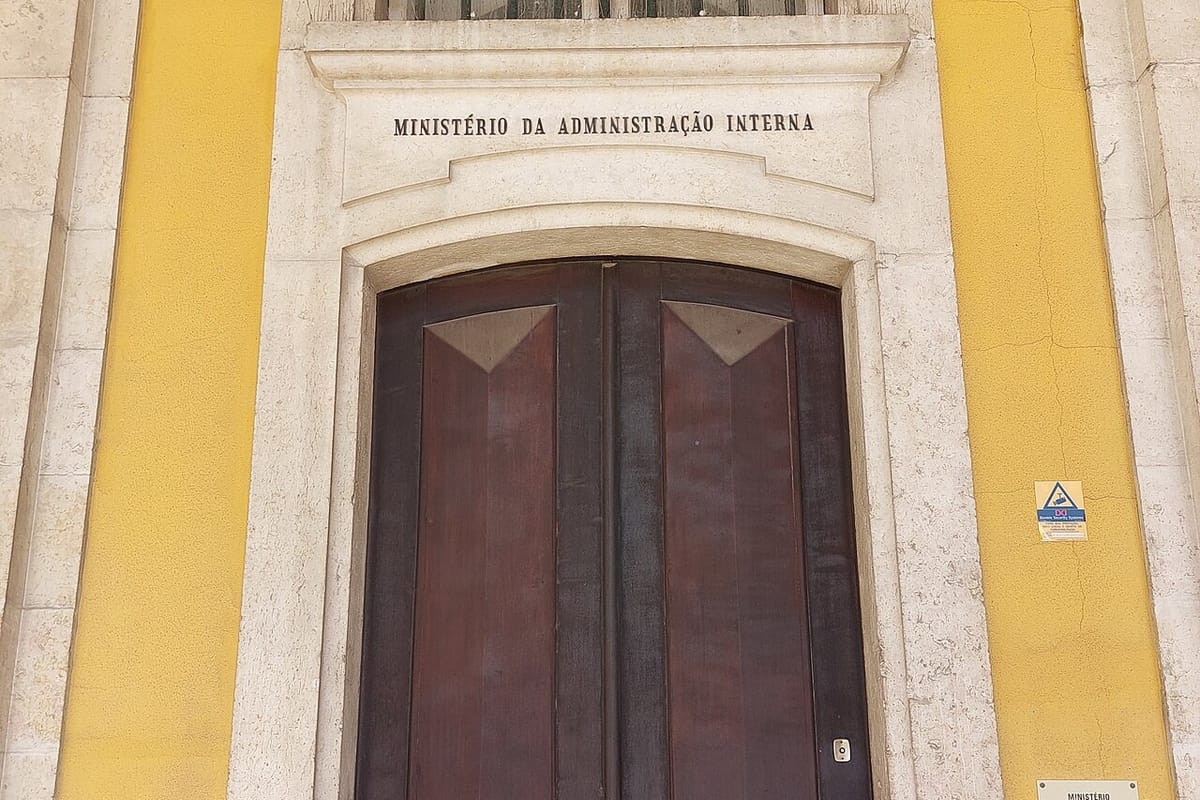
A public tender to buy backup generators for Portugal's town halls and parish councils, paid for with 9.2 million euros of EU recovery money, closed in July without a single bid, and the money has since gone to other projects. The failure, first reported by Público and confirmed on Wednesday by ECO, is now at the centre of the row inside the Ministério da Administração Interna (Ministry of Internal Administration, MAI).
What was on offer
The procurement notice, published in the Diário da República (official gazette) on 8 July, shows the Secretaria-Geral do MAI (the ministry's general secretariat, SGMAI) seeking "grupos geradores para a autonomia energética" (generator sets for energy autonomy) under the Plano de Recuperação e Resiliência (Recovery and Resilience Plan, PRR). The base price was 9,181,303.45 euros before VAT, split into five lots:
- 25 kVA generators for municipalities and parish councils on the mainland, the Azores and Madeira: 8,003,813.65 euros;
- 100 kVA generators for SIRESP, the emergency radio network: 187,015.80 euros;
- 100 kVA and 25 kVA generators for the Autoridade Nacional de Emergência e Proteção Civil (civil protection authority, ANEPC): 328,114.54 and 359,484.50 euros;
- 100 kVA generators for the GNR: 302,874.96 euros.
According to ECO, that came to 780 generators. RTP reports that they had been promised to parish councils after Storm Kristin in January. Bids were due by 23:59 on 21 July. The public procurement portal, base.gov.pt, records no contract under the notice.
Why nobody bid
The secretariat says the specifications, the recipients and the delivery points changed after consultations with other bodies ordered by the office of the minister, Luís Neves. It says it warned the government on 22 June about delays and about a mismatch between the specifications and what the market could supply, and blames a base price that was too low and delivery deadlines that did not fit the timetable, ECO reports.
Internal emails obtained by CNN Portugal point the same way. The secretariat's procurement head wrote in June that new requirements from the GNR "invalidam o preço base anteriormente estimado" (invalidate the base price estimated earlier). The manufacturer Grupel told the secretariat that a bid meeting the specifications would have exceeded the price ceiling and been excluded. The minister's chief of staff, for her part, accused the secretariat in writing of "subterfúgios burocráticos e expedientes de procrastinação" (bureaucratic subterfuges and delaying tactics).
Where the money went
The PRR's spending deadline was the end of August, so there was no time to try again. CNN Portugal reports that Recuperar Portugal, the mission structure that runs the PRR, would not authorise a new tender, and that in early August the 9.18 million euros was reassigned to other investments. The secretariat says the money was not lost and that Portugal faced no penalty, because generators had been taken out of the relevant PRR milestone. The government says it spent its whole PRR allocation.
The ministry sees it differently. In a statement on 12 October defending the dismissal of the secretary-general, Ricardo Carrilho, it cited a breach of trust and the "atraso na disponibilização de geradores e rádios SIRESP às juntas de freguesia" (delay in supplying generators and SIRESP radios to parish councils), DN reports. Carrilho has called his removal a political purge. Our report on the dismissal and the SIRESP dispute has the background.
We found no announcement of a new tender, or of any other plan to get generators to parish councils before the winter.