31 Million Tourists, One Uncomfortable Question: Has Portugal Reached Its Limit?
Portugal welcomed 31 million tourists in 2025, shattering previous records and cementing the country's status as one of Europe's most desirable destinations. Tourism revenues reached 29 billion euros. The national accommodation sector registered...
Portugal welcomed 31 million tourists in 2025, shattering previous records and cementing the country's status as one of Europe's most desirable destinations. Tourism revenues reached 29 billion euros. The national accommodation sector registered 32.5 million guests — up 3 percent — and 82.1 million overnight stays. Porto alone hosted more than three million visitors.
The numbers are staggering for a country of just over 10 million people. They are also increasingly contentious.
A growing chorus of voices — from urban residents' associations to municipal politicians to academic researchers — argues that Portugal's tourism boom has crossed a threshold. The sector's contribution to GDP is undeniable, accounting for nearly 15 percent of the economy when indirect effects are included. But the costs, critics say, are borne disproportionately by those who live here year-round.
Housing sits at the centre of the debate. In Lisbon and Porto, the proliferation of short-term rental properties has tightened an already constrained market. Average bank appraisals hit a record 2,025 euros per square metre nationally in late 2025, with urban centres far exceeding that figure. For Portuguese workers earning the national median wage, and for newcomers navigating the rental market for the first time, the arithmetic has become punishing.
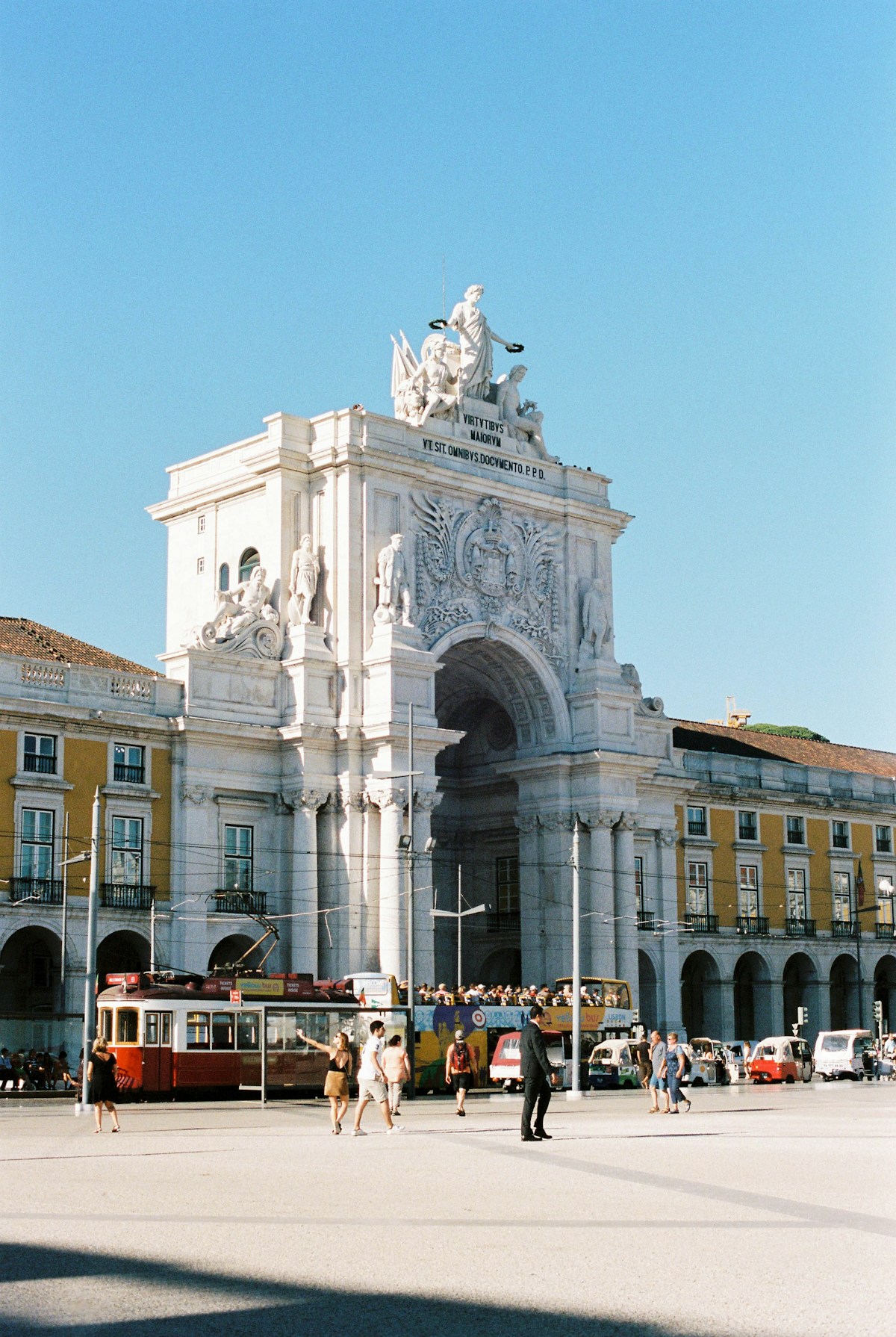
The infrastructure strain extends beyond housing. Public transport systems in Lisbon and Porto were designed for resident populations, not for cities that effectively double or triple in size during peak months. Water and waste management in the Algarve face seasonal surges that test capacity. Historic neighbourhoods in Lisbon's Alfama and Porto's Ribeira have seen their permanent populations hollowed out, replaced by a rotating cast of short-stay visitors.
Tourism industry leaders push back firmly against what they call a "myth" of overtourism. They point to employment — the sector directly supports hundreds of thousands of jobs — and argue that the revenue funds public services, infrastructure, and cultural preservation that would otherwise go unfunded. The National Tourism Board has emphasised the need for geographic diversification, steering visitors toward the interior, the Alentejo, and the islands.
The government's challenge is to mediate between these positions without killing the golden goose. Regulatory measures introduced in recent years — restrictions on new short-term rental licences in pressure zones, tax incentives for long-term leasing — have had modest effects. More ambitious proposals, including a tourist tax levied at the municipal level and stricter enforcement of housing regulations, remain under discussion.
For the growing community of foreign residents — digital nomads, retirees, remote workers — the tourism question is particularly layered. Many arrived in Portugal precisely because of the qualities that also attract tourists: climate, safety, culture, cost of living. They benefit from the infrastructure that tourism dollars have built, yet they also compete for housing and cope with the congestion that mass tourism creates.
The 31-million figure will almost certainly be surpassed in 2026. Whether Portugal can absorb that growth without eroding the qualities that made it attractive in the first place is the defining question for the country's next chapter.