War in Iran: What the Strait of Hormuz Closure Means for Portugal's Energy Bills
The joint US-Israeli military strikes on Iran that began on Saturday have already produced consequences that will ripple across the Atlantic. Within hours of the initial bombardment of Tehran and seven other Iranian cities, Iran moved to close the...
The joint US-Israeli military strikes on Iran that began on Saturday have already produced consequences that will ripple across the Atlantic. Within hours of the initial bombardment of Tehran and seven other Iranian cities, Iran moved to close the Strait of Hormuz — the narrow waterway through which roughly 20 million barrels of oil pass every day, about a fifth of global demand.
For Portugal, which has not imported Iranian crude in over a decade, the immediate supply disruption is indirect. But the price shock is anything but. Brent crude had already been climbing in the days before the strikes; analysts at UBS now consider a temporary spike above $100 per barrel plausible, with some forecasters warning of a sustained period at $120 or higher if the strait remains blocked.
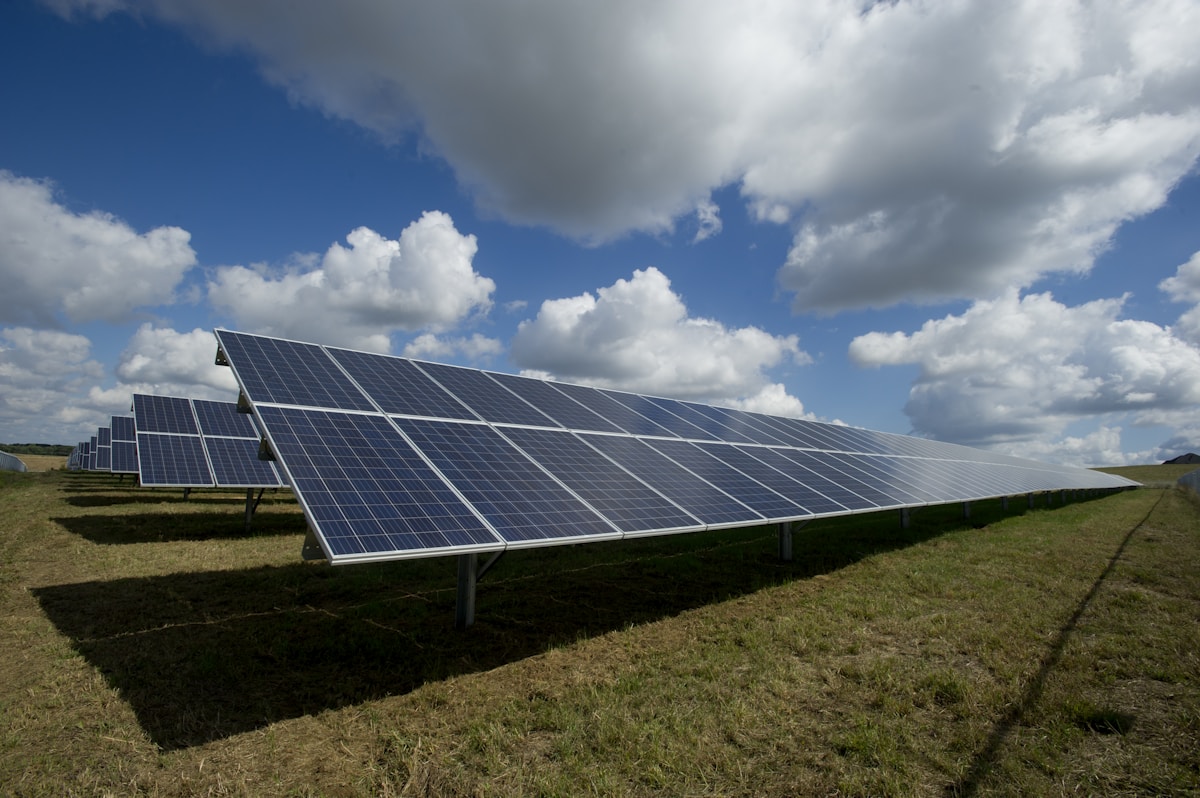
Portugal's energy mix has shifted considerably in recent years, with renewable sources — wind, solar, and hydroelectric — accounting for a growing share of electricity generation. But petroleum products still dominate transportation, heating, and industrial processes. A sharp rise in oil prices feeds directly into fuel costs at the pump, freight charges, and the price of goods on supermarket shelves.
The timing could hardly be worse. Portuguese consumers have spent the past two years adjusting to elevated living costs following the post-pandemic inflation wave. Just as household budgets were beginning to stabilise, a geopolitical shock of this magnitude threatens to undo months of modest progress. The European Central Bank, which had been cautiously easing monetary policy, may now face pressure to pause or even reverse course if energy-driven inflation returns.
For the hundreds of thousands of foreign residents who have settled in Portugal — drawn by its quality of life, D7 and D8 visa programmes, and relatively manageable cost of living — the calculus shifts again. Many live on fixed incomes, pensions, or remote-work salaries denominated in currencies that could weaken against a surging dollar. A sustained oil shock would compress purchasing power at precisely the moment when housing costs continue to climb.
The Portuguese government has not yet signalled specific measures to cushion consumers, though Economy Minister sources indicated that existing fuel price stabilisation mechanisms remain in place. Portugal's strategic petroleum reserves, maintained through the International Energy Agency framework, provide a buffer of roughly 90 days of imports — a reassurance, but not a solution if disruption extends beyond the short term.
Europe's collective response will matter enormously. The EU has called for "maximum restraint" while European allies have stressed they did not participate in the strikes. But if the conflict widens — and Iran's retaliatory attacks on airports in Dubai, Abu Dhabi, and Doha suggest the escalation spiral is far from over — the continent faces its second major energy crisis in four years.
Portugal's pivot toward renewables may prove to be prescient insurance. But in the short term, the country remains tethered to global fossil fuel markets, and those markets are now in turmoil.