Ventura Confirms Re-Election Bid as Chega Prepares for May Convention
André Ventura confirmed on Wednesday that he will seek re-election as leader of Chega at the party's next convention, tentatively scheduled for 8 to 10 May. Speaking at a press conference at party headquarters, Ventura framed the bid as a...

André Ventura confirmed on Wednesday that he will seek re-election as leader of Chega at the party's next convention, tentatively scheduled for 8 to 10 May. Speaking at a press conference at party headquarters, Ventura framed the bid as a continuation of the combative posture that has carried the populist right-wing party to its current position as Portugal's second-largest parliamentary force.
"It is the path of not giving in, of not softening, of not loosening, of not making unnecessary concessions," Ventura said, explicitly rejecting calls from within and outside the party for a more moderate approach. He argued that any shift toward institutional respectability would make Chega indistinguishable from the centre-right parties it defines itself against.
"Portugal needs a comprehensive, disruptive, and anti-system popular party," he added. "Ceasing to have the firmness we have will only lead to the consideration by many that we are the same as the others."
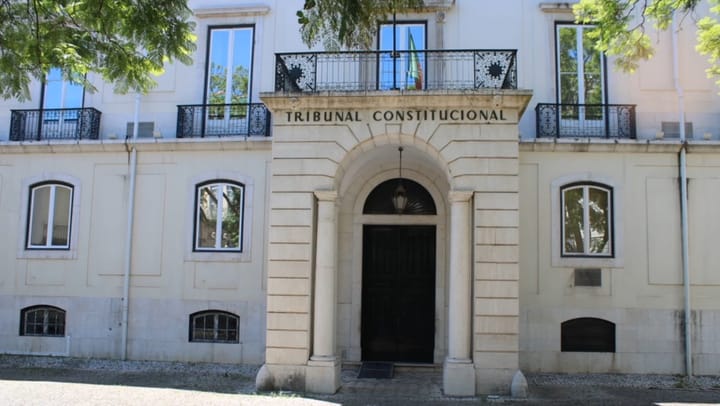
The convention will be Chega's first since the party's dramatic rise in recent elections, and it arrives with unresolved institutional baggage. The party's last major meeting, held in January 2024 in Viana do Castelo, saw the election of its national bodies invalidated by the Constitutional Court, leaving questions about internal governance that the May event is expected to address.
Ventura's unchallenged dominance of Chega has been a defining feature of Portuguese politics over the past several years, reshaping the right flank of the political spectrum and forcing the governing coalition to navigate a more polarised landscape. His rhetoric on immigration, public spending, and what he characterises as systemic corruption has resonated with a significant portion of the electorate.
For Portugal's foreign resident community, Chega's trajectory is worth watching closely. The party has been among the most vocal critics of immigration policy, and its growing influence could shape legislative debates on residency permits, integration programmes, and the broader tone of public discourse around newcomers to the country. Whether Ventura consolidates his grip on the party or faces internal dissent in May will signal much about the direction of Portugal's political right heading into the next electoral cycle.