Undeclared Fuel Imports Have Cost the State an Estimated €1.1 Billion in Tax Since 2023, an Industry Study Warns
An industry study estimates that fuel entering Portugal without being properly declared for tax has cost the State about €1.1 billion in lost ISP and VAT over three years — roughly €460 million in 2025 alone. It is a fuel-sector estimate, not an official tally, but the Government has already tighten
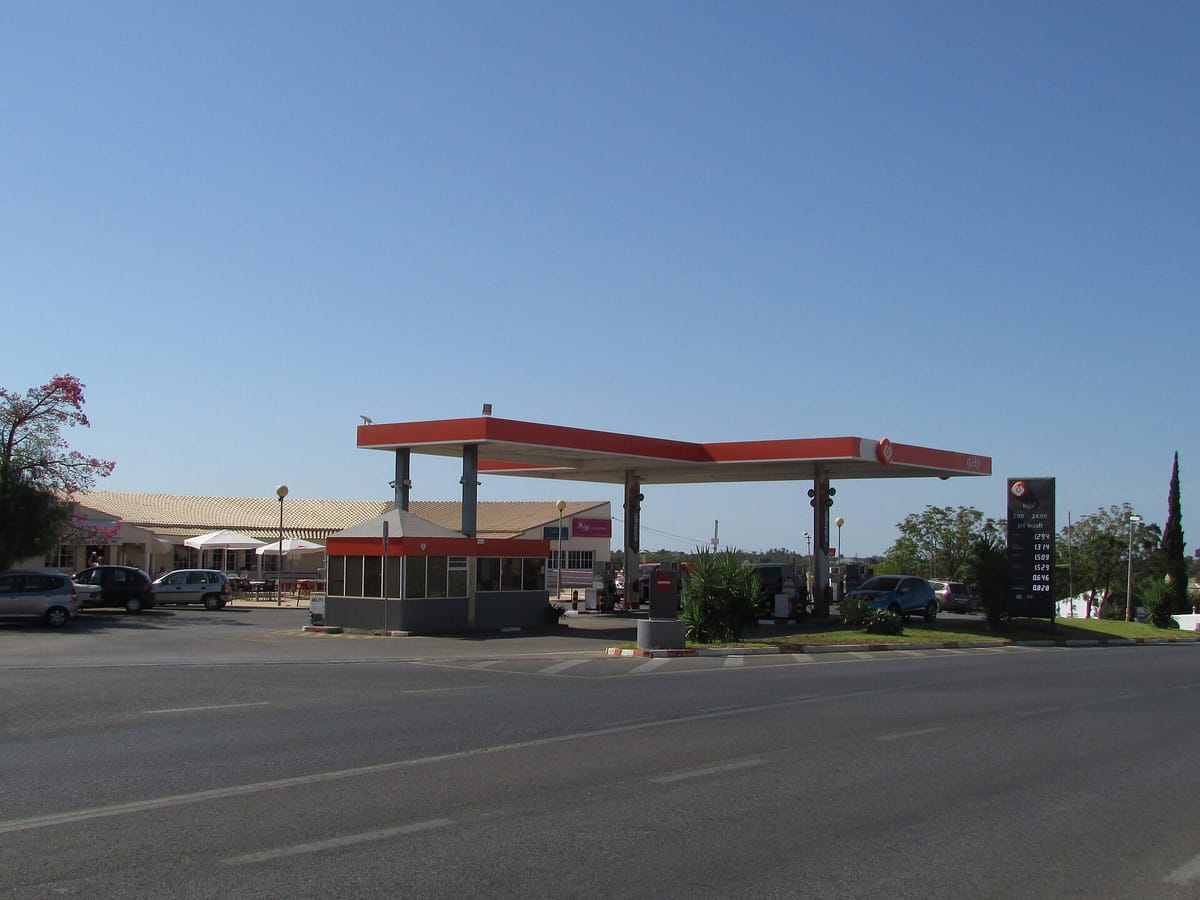
Undeclared fuel entering Portugal has cost the State an estimated €1.121 billion in lost tax over the three years to 2025, according to a study by EPCOL (Associação de Empresas Portuguesas de Combustíveis e Lubrificantes, the Portuguese association of fuel and lubricant companies) presented this month. The figure is an industry estimate rather than an official government tally — and it is cumulative, not annual — but it puts a number on a problem the tax authorities and the Government have already acknowledged.
The study, on what EPCOL calls irregularities in the national oil system, breaks the €1.121 billion into roughly €704 million in lost ISP (Imposto sobre os Produtos Petrolíferos e Energéticos, the fuel excise duty) and about €417 million in unpaid VAT (IVA). The association estimates the loss is accelerating: it attributes around €460 million of the total to 2025 alone.
What the study says is happening
At the heart of the estimate is fuel that is imported and then sold without being properly declared for tax. EPCOL calculates that the volume of undeclared "white" fuel — petrol and diesel brought into the country outside the taxed channel — rose from about 381 million litres in 2023 to roughly 553 million litres in 2025, a jump of some 45%. On the association's numbers, that undeclared share reached about 24% of all white-fuel imports last year. EPCOL puts total irregularities at somewhere between 2% and 4% of the entire fuel market.
The mechanisms it points to are financial rather than the roadside fraud most drivers picture. Chief among them is under-declaration of imports, so that ISP and VAT are never fully paid. The association also flags the tax gap with Spain — where fuel duties are lower — as an incentive for both overland and maritime routes into Portugal, and it describes operators that "appear and disappear" with the same owners, the classic shell-company pattern. Undeclared fuel can then be sold at artificially low prices that undercut compliant retailers. EPCOL's secretary-general, António Comprido, has framed the problem as concentrated among a relatively small number of smaller operators rather than the sector's major players, and tied to a wider failure to meet obligations such as biofuel blending and strategic-reserve rules.
How big is €1.1 billion?
For scale, the State's total ISP take is projected at roughly €4.2 billion in 2025, so the €460 million EPCOL attributes to that year would equal about a tenth of what the fuel excise brings in. Set against three years, the €1.121 billion figure is a little under a single year's fuel-tax revenue. It is worth stressing again that these are modelled estimates from an industry body whose members compete with the undeclared importers in question; the Government has not endorsed the specific number.
What the Government is doing
Lisbon has already moved on the tax side. In June the Council of Ministers approved a reverse-charge amendment to the VAT Code that shifts responsibility for accounting for VAT on fuel down the chain — a measure explicitly aimed at closing the border-fraud trail with Spain. EPCOL has broadly backed tighter rules while pressing for more: tougher and more dissuasive penalties, better coordination between the tax authority, ASAE and the energy regulator, tighter traceability from import to pump, and vetting of operators' financial standing before they enter the market.
The association also argues that policy can cut the other way. When the Government trimmed the emergency ISP discount late in 2025 — a rollback sought by Brussels — EPCOL warned that a higher tax at the pump only widens the gap between compliant and non-compliant sellers, making undeclared fuel a more profitable proposition. That tension, between raising fuel revenue and protecting it from evasion, is the backdrop to the whole debate.
What This Means for You
- If you buy fuel in Portugal: a station offering prices well below the market average is not necessarily doing anything wrong, but the study is a reminder that unusually cheap fuel can reflect an operator cutting corners on tax rather than genuine savings.
- On the public finances: the estimated losses — up to a tenth of annual fuel-excise revenue on EPCOL's numbers — are money that would otherwise flow to the State, which is why the Government has tightened the VAT rules and is under pressure to go further.
- Reading the figure: the €1.1 billion is a three-year, industry-produced estimate, not an official annual number. Treat "a billion euros lost to fuel fraud" as an accumulated projection, not a yearly fact.
Whatever the precise total, the direction is what the sector wants noticed: on its own reckoning, the volume of untaxed fuel moving through Portugal has been rising, not falling — and the bill, real or estimated, ultimately lands on the taxpayer.