Two Foreign Workers Die When a Trench Collapses at a Pestana Hotel Site in Porto Covo
The men, aged 26 and 28, were buried five to six metres down on Monday afternoon. The second body was found late at night, and the labour inspectorate is now investigating how the trench gave way.
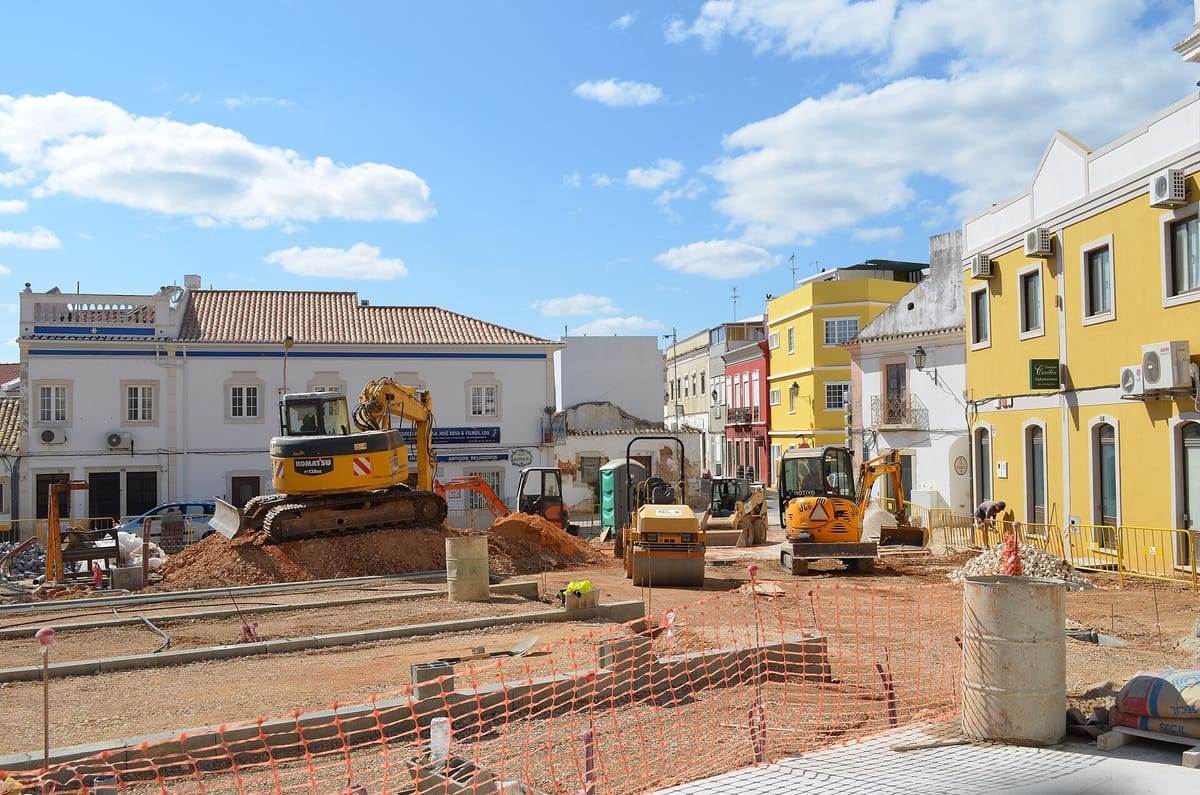
Two construction workers died on Monday afternoon when the side of a trench collapsed on them at the building site of a new Pestana tourist development in Porto Covo, in the municipality of Sines. Both men were foreign nationals, aged 26 and 28, and both were buried five to six metres down.
The alarm was raised at 16:29, according to Tiago Bugio, the sub-regional emergency and civil protection commander for the Alentejo Litoral, who spoke to Lusa. Rescuers reached the body of the 26-year-old at 18:15. The body of the second man was found at 23:15, after a search that lasted most of the evening. Deaths were declared at the scene by the doctor of the emergency medical vehicle from the Hospital do Litoral Alentejano in Santiago do Cacém.
A landslide in a trench
The mayor of Sines, Álvaro Beijinha, told Lusa the accident was caused by "a landslide" that buried "the two workers in a trench". The site belongs to the Pestana Porto Covo Beach Residences project of the Pestana Hotel Group, whose foundation stone was laid at the start of September.
Carvoeiro Golf, a company owned by the Pestana group, confirmed in a written statement to Lusa that an incident had occurred during the afternoon "involving two workers of a company that was carrying out work on land belonging to the Group, in Porto Covo". Emergency services and the authorities were called at once, it said. The statement indicates that the two men worked for a contractor, not for Pestana itself; the name of that company has not been made public.
The rescue involved 29 firefighters and medical staff from the Sines and Grândola fire brigades and the national emergency medical institute, INEM, with nine vehicles. A collapsed-structure search and rescue team from Grândola was on site by late afternoon, and a team of psychologists was sent. A helicopter was mobilised and then stood down.
What happens now
The bodies stayed at the site until the Working Conditions Authority (ACT), the labour inspectorate, could carry out its examination, the civil protection commander said. The ACT investigates every fatal accident at work: under the law on health and safety at work (Law n.º 102/2009), an employer must report a fatal accident to the inspectorate within 24 hours, with the worker's details, a description of what happened and a record of the hours the worker put in over the previous 30 days.
The inquiry will look at how the trench was dug and shored, and who was responsible for safety on a site where several companies may be working. Lusa was unable to reach the ACT's press office on Monday evening.
Deep excavation is among the most dangerous tasks in construction, because an unsupported trench wall can give way without warning and bury anyone below in seconds. That is why the safety plan for a building site has to assess the risk of collapse before any deep excavation begins.
Workers from abroad
The nationalities of the two men have not been released. Portugal's construction sector relies heavily on foreign workers, and the families of workers killed on the job are covered by the accidents at work regime (Law n.º 98/2009) whatever their nationality or immigration status: the employer's compulsory insurance pays funeral costs and pensions to dependants. Families abroad can pursue a claim through the labour court with the help of the Public Prosecutor's Office, which represents victims in these cases free of charge.