Tuesday's Greve Geral Sets Trains at 25%, TAP at 34 Flights and Carris's Hospital Lines at 100% on 3 June — Salaries, Pensions and Public Investment Drive the CGTP-UGT Demand Sheet
CGTP-UGT's 3 June general strike will run CP trains at 25%, TAP at 34 flights and Carris hospital lines at full coverage. Unions demand an 8% public-sector salary lift; government counters at 3.5%.
Tuesday morning's general strike anchors a labour-action calendar Portugal has not seen on this scale since the cost-of-living mobilisations of late 2023. CGTP-Intersindical (Confederação Geral dos Trabalhadores Portugueses — General Confederation of Portuguese Workers) carries the headline framing, with UGT (União Geral de Trabalhadores — General Workers' Union) joining on a co-ordinated demand sheet that asks government for an 8% public-sector salary revision, an extraordinary pensions uplift indexed above the legal formula, and a halt to what union leadership describes as the chronic underfunding of the SNS (Serviço Nacional de Saúde — National Health Service) wage grid.
What is affected on Tuesday
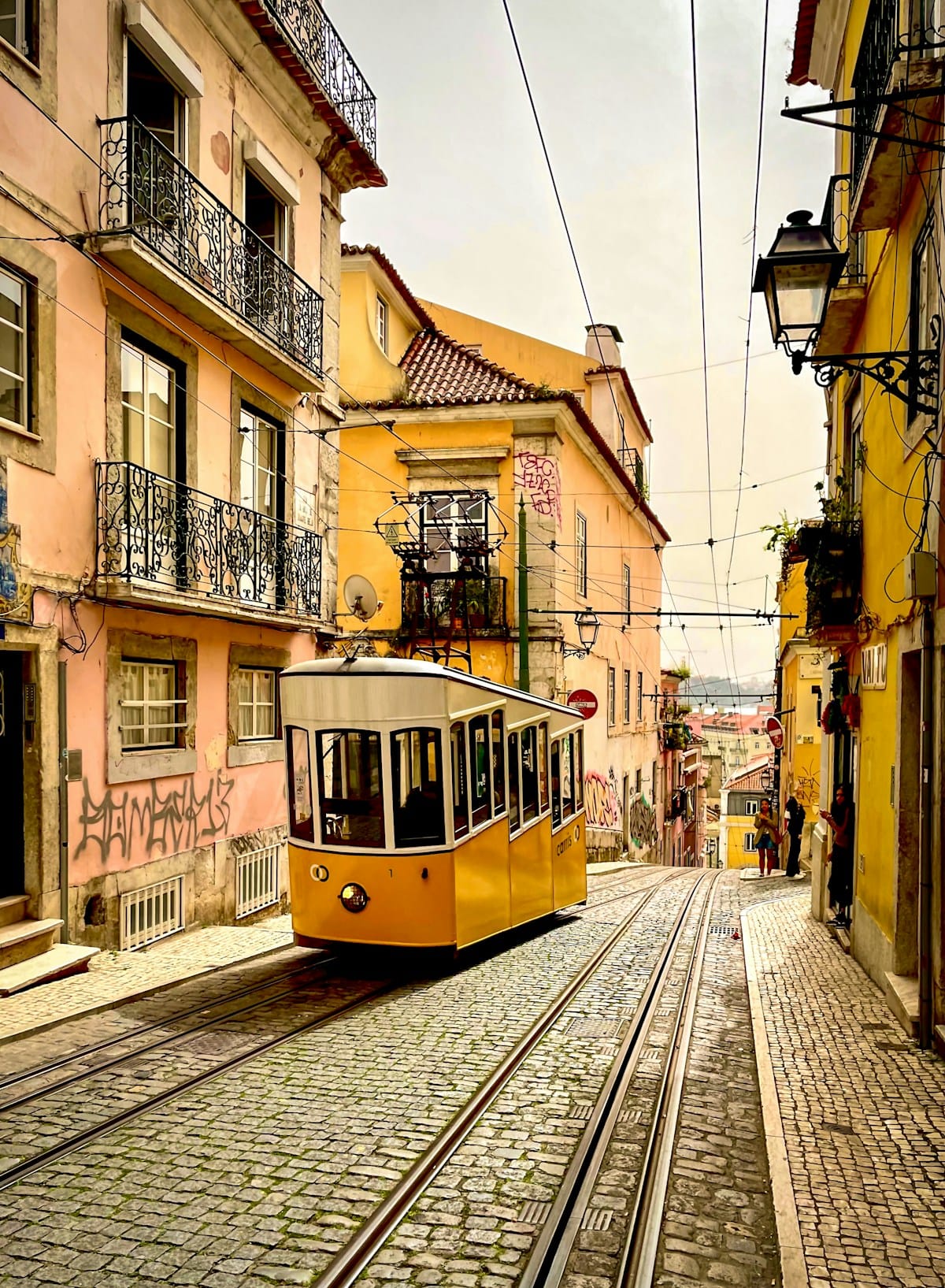
The Tribunal Arbitral's Friday ruling fixes the operational floor. CP (Comboios de Portugal — Portugal's state-owned rail operator) runs at 25% of normal frequency. That covers a peak-hour cluster on the Alfa Pendular Lisbon-Porto axis, the Cascais-Sintra urban network and the Algarve regional line, with most off-peak departures cancelled. Carris (Lisbon's municipal bus and tram operator) holds 100% service on routes touching hospitals and schools while curtailing leisure and commercial corridors. TAP Air Portugal operates 34 flights across continental Portugal, the Açores and Madeira — a sharply trimmed schedule that protects Brussels, Frankfurt and São Paulo long-hauls and books minimum cover on the Lisbon-Funchal and Lisbon-Ponta Delgada island-link tape.
Public-administration services run on emergency staffing. Câmaras municipais (municipal councils) keep balcão único (one-stop service desks) open for urgent acts only, IRN (Instituto dos Registos e do Notariado — registries and notaries) closes most non-essential counters, and AT (Autoridade Tributária — Tax Authority) reduces presencial attendance during the IRS 2024 filing window that closes 30 June.
What the unions are asking for
The joint demand sheet runs to four headline lines. First, a generalised salary uplift of 8% in the public sector with a minimum monthly increase of €150 for the lower grades. Second, a pension correction outside the standard inflation-plus-GDP formula that would deliver a one-off lift for reformados (retirees) on grades below the median. Third, a binding floor on public investment in saúde, educação and habitação set against multi-annual budget envelopes. Fourth, a rollback of what unions characterise as precarização (employment precarity) in public-sector contracts, including a faster integration timetable for fixed-term staff into the permanent grade.
The political backdrop is the Luís Montenegro government's second budget cycle, with the Orçamento do Estado 2026 execution running close to plan through April but leaving limited fiscal room for an across-the-board public-pay reset. Government's most recent counter-offer holds the public-sector revision to 3.5% on the lower grades with a tapered structure above the median.
How big will Tuesday be
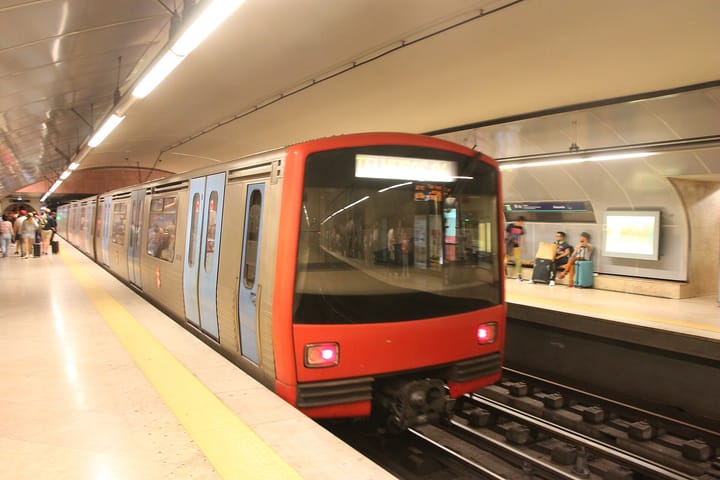
CGTP organisers expect significant Lisbon and Porto turnout, with the main concentration at the Praça do Comércio late morning and a Porto rally at the Praça da Batalha. Hospitals and schools will visibly reduce attended capacity even with minimum services protected. Commuters relying on Carris, Metro de Lisboa and CP urban lines should expect peak-hour overcrowding given the 25% frequency floor, and TAP passengers on cancelled flights have re-protection rights under the EC 261/2004 frame.
The Friday-after debrief will set the tone for an autumn that already includes the September public-administration negotiation round and a parallel municipal-workers grievance cycle.