Tile-Painted Animation "Virgem Fandango" Triumphs at Both Coimbra's Caminhos and Espinho's 50th Cinanima Film Festivals
Marcy Page's "Virgem Fandango", animated from 12,000 hand-painted tiles, took the City of Coimbra Grand Prize at Caminhos do Cinema Português and the best Portuguese film award at Cinanima in Espinho on Saturday night.
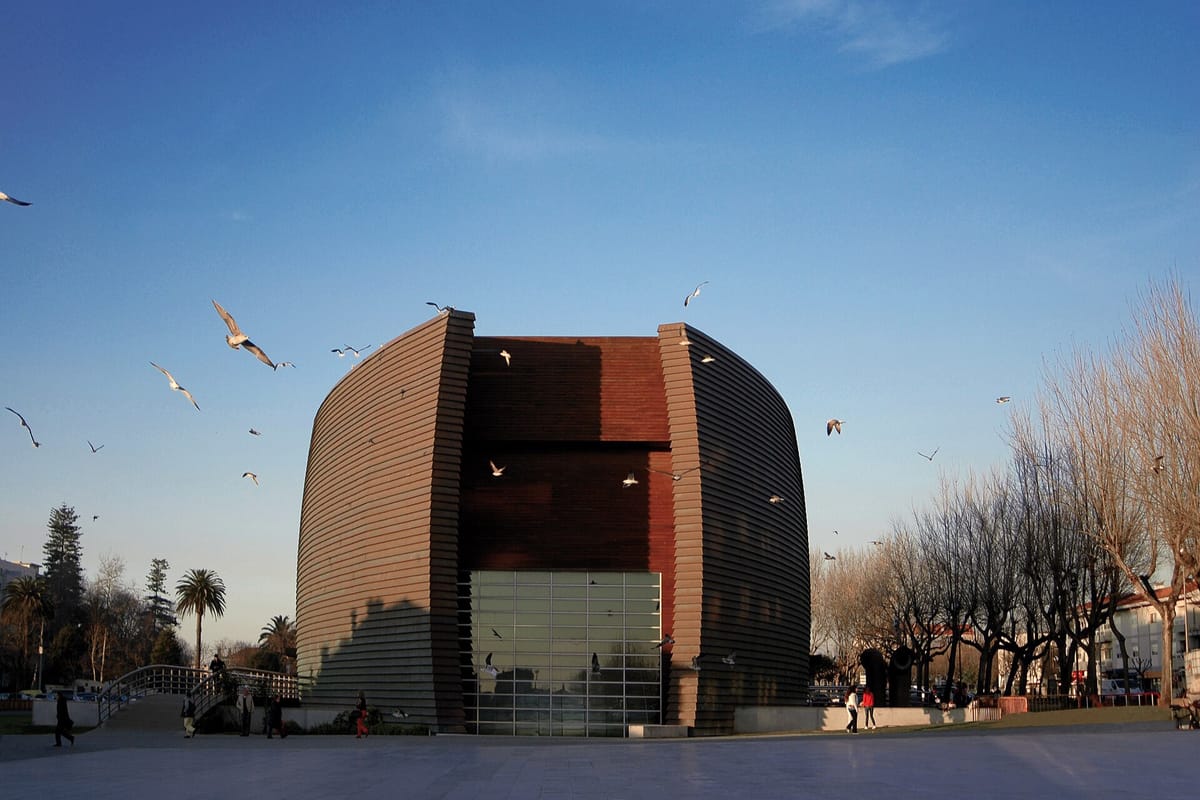
An animated film made from 12,000 hand-painted tiles was the big winner of two Portuguese film festivals that both handed out their prizes on Saturday night. "Virgem Fandango", directed by Marcy Page, took the Grande Prémio Cidade de Coimbra (the City of Coimbra Grand Prize) at the 32nd Caminhos do Cinema Português, and, under its English title "Virgin Fandango", the prize for best Portuguese film at the 50th Cinanima, the international animation festival in Espinho, Lusa reported via Notícias ao Minuto.
The film is a Portuguese and Canadian co-production. Its images are painted on azulejos (glazed ceramic tiles) and animated frame by frame in stop motion, and it pays tribute to about 170 women artists and creators whose work, the Coimbra festival argues, history has left in the shadows.
Coimbra: a festival of Portuguese cinema
Caminhos do Cinema Português ("Paths of Portuguese Cinema") ran from 14 to 21 November in Coimbra, Mealhada and Góis. It received 703 submissions, 284 of them Portuguese, and screened 126 films. Besides the grand prize, "Virgem Fandango" won best animation and best soundtrack, for the score by Normand Roger, RTP reported.
Other winners include:
- Best fiction: "O Jacaré" by Basil da Cunha, which also won best editing and best supporting performance (Alexandra Sena).
- Best documentary: "Povo e Poder" by Ico Costa, about colonial violence, the trauma of war and the celebration of freedom.
- FIPRESCI critics' prize for best feature: "18 Buracos para o Paraíso" by João Nuno Pinto, a drama about a landowning family and their servants in southern Portugal during the deadly wildfires.
- Best film in the Outros Olhares (Other Views) section: "Auto da Casa" by Joana Cunha Ferreira and Tiago Bartolomeu Costa, built from archive footage of the Teatro Nacional D. Maria II in Lisbon.
- Best performance: Pedro Inês, for "A Providência e a Guitarra"; best screenplay: João Botelho, for "O Velho Salazar".
Raquel Freire's "Mulheres de Abril", built on testimony from women who resisted the dictatorship, received an honourable mention for the grand prize. The audience award had not yet been announced when the festival published its results.
Espinho: half a century of animation
At Cinanima, which the Cooperativa Nascente has organised in Espinho since 1976, the top short film was "Deus é tímido" ("God Is Shy"), a 16-minute French film by Jocelyn Charles set on a train journey, chosen from 163 shorts in competition. The feature prize went to "O filho da puta", a 72-minute hand-crafted Brazilian animation by Erica Maradona, Otto Guerra, Tania Anaya and Savio Leite. The audience award went to the French student short "O Jardim Rossini". For the first time, juries of Espinho children and students chose films for three age groups, in the new Pequeno Golfinho (Little Dolphin) prizes.
Cinanima's rules make its grand prize for short films an Oscar-qualifying award, so this year's winner becomes eligible for the Academy Award for best animated short.
Where you can see the films
Neither festival has announced new screening dates for its winners. Cinanima's programme runs until today, Sunday 22 November, with a family screening of the French feature "A Pequena Amélie" at 10:00 and films made by pupils from 11 secondary schools at 11:30, both at the Centro Multimeios in Espinho. The Caminhos festival returns to Coimbra for its 33rd edition from 13 to 20 November 2027.
We previewed Cinanima's anniversary programme when it opened: Cinanima turns 50 in Espinho with 167 competition films.