Thousands Expected on Streets Tomorrow as Unions Rally Against Labour Code Overhaul
Portugal's largest trade union federation, the CGTP, is mobilising for mass demonstrations in Lisbon and Porto on Saturday, March 1, in what organisers describe as the most significant labour protest since the general strike that shook the country...

Portugal's largest trade union federation, the CGTP, is mobilising for mass demonstrations in Lisbon and Porto on Saturday, March 1, in what organisers describe as the most significant labour protest since the general strike that shook the country late last year.
The marches target the government's controversial "Trabalho XXI" reform package, a sweeping rewrite of more than 100 articles of Portugal's labour code that the PSD-CDS coalition unveiled in July 2025. While the cabinet frames the changes as modernisation necessary for competitiveness, unions see an assault on decades of hard-won worker protections.
Twin-City Mobilisation
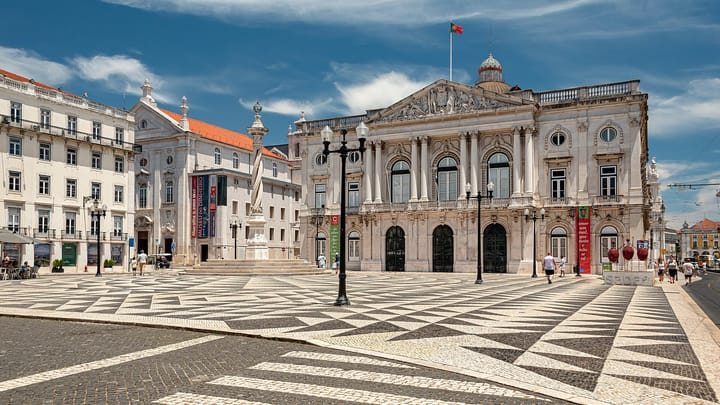
In Porto, demonstrators will assemble at 10:30 AM between Praca da Republica and Avenida dos Aliados. Lisbon's rally begins at 2:30 PM, marching from Cais do Sodre toward Rossio. Strike notices have been filed across the retail sector and other weekend-shift industries to free workers for participation.
CGTP secretary-general Tiago Oliveira struck a combative tone at a press conference on Friday: "History shows that when workers' rights are trampled, it is the struggle in the streets that forces advances and recovers ground."
What the Reform Changes
The Trabalho XXI package proposes significant alterations to working time organisation, collective bargaining mechanisms, and employer-employee negotiation frameworks. Business confederations have broadly welcomed the direction, arguing Portugal's rigid labour market discourages hiring and investment. But the CGTP and the rival UGT federation -- which has presented its own counter-proposal -- contend the reforms would erode job security, weaken collective agreements, and make it easier to dismiss workers.
The standoff has deepened in recent weeks. The CGTP has been excluded from bilateral technical meetings with the government, a move the union describes as deliberate marginalisation. A crucial session of the Social Concertation Council is scheduled for March 3, and its outcome will likely determine whether further industrial action follows.
Wider Implications
For the growing community of foreign workers and entrepreneurs who have made Portugal home in recent years, the labour reform debate carries real consequences. Changes to collective bargaining and dismissal rules would reshape the employment landscape for anyone working under a Portuguese contract, whether in tech startups in Lisbon or hospitality businesses in the Algarve. The retail strike notices also mean some shops may operate with reduced staff over the weekend.
Labour Minister Maria do Rosario Palma Ramalho has signalled she intends to submit the proposal to parliament regardless of whether social partners reach consensus, setting the stage for a parliamentary battle that could define the economic policy of the Montenegro government.