The UGT Picks a Successor to Lucinda Dâmaso This Weekend, Four Months After Parliament Threw Out the Labour Reform
The union confederation's 15th congress opens in Figueira da Foz with the labour minister on the stage. Rosa Sousa is the social democrats' choice for president; Mário Mourão is expected to stay on.
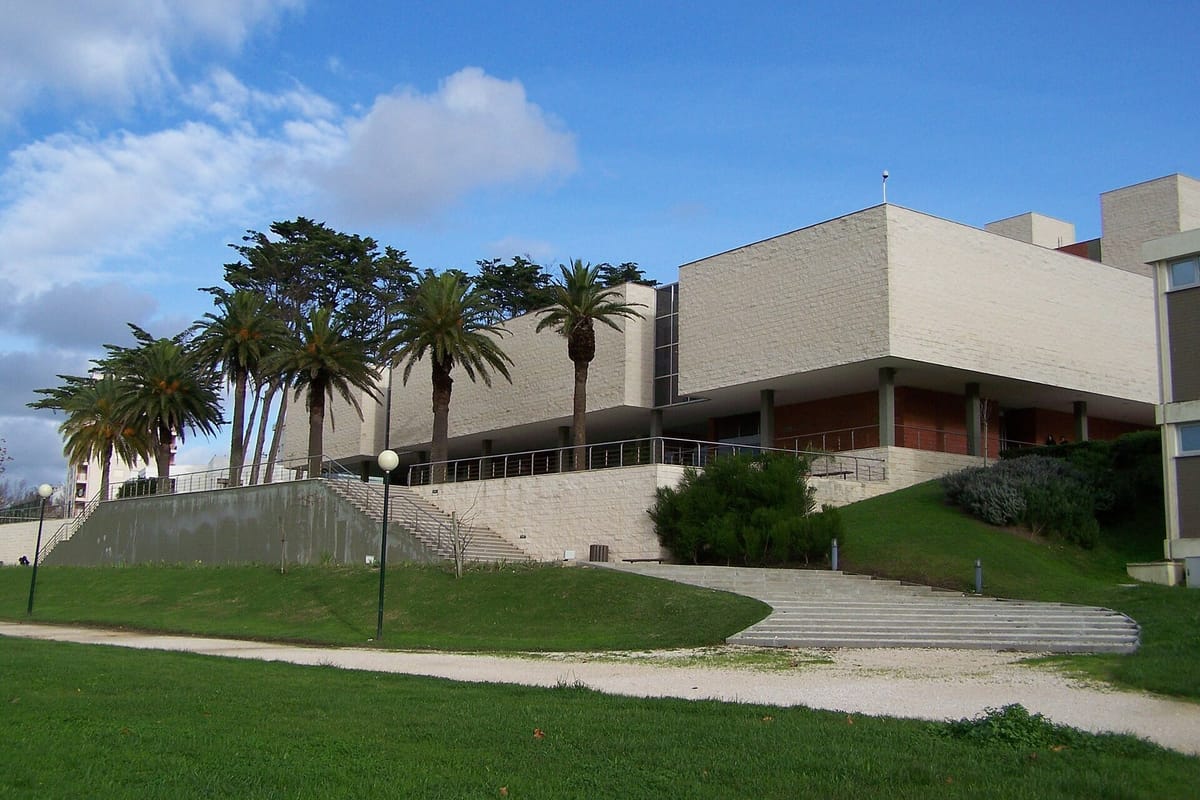
The União Geral de Trabalhadores (UGT), one of Portugal's two big union confederations, opens its 15th congress in Figueira da Foz today and will leave it on Sunday with a new president. Lucinda Dâmaso, a former vice-president of the PSD who has led the confederation since 2013, is stepping down.
The congress meets almost four months after the government's labour law reform was voted down in parliament. Months of talks between the government and the social partners on rewriting labour legislation ended without agreement, and the UGT's national secretariat twice rejected the government's proposals unanimously, Lusa reports.
Who is likely to lead
Inside the UGT there is an unwritten rule: the Trabalhadores Social Democratas (TSD), the union tendency close to the PSD, nominate the president, and the socialist tendency nominates the secretary-general. The statutes allow other candidates if they gather the backing of 20 percent of the delegates, but that has never happened in the confederation's history.
This year the rule was tested. The TSD first proposed Francisco Pimentel, a PSD member of parliament and president of the SINTAP public-sector union, to the national secretariat as their choice, but his name failed to win consensus and was rejected by the confederation's top executive body. One source quoted by Lusa at the time recalled that Pimentel had voted with his party in favour of the government's labour reform. The TSD's secretary-general, Pedro Roque, called the rejection "regrettable" and later resigned; Álvaro Carneiro replaced him.
The TSD candidate for president is now Rosa Sousa, who has held local office and is president of the STE, the union for senior and technical staff in the state, who confirmed her candidacy to Lusa on Wednesday. The socialist Mário Mourão, secretary-general since April 2022, is expected to be re-elected for a second term. The two posts are voted on separately.
The programme for 2026 to 2030
The congress, held under the motto "Juntos por um Futuro mais Justo" ("Together for a fairer future"), was originally planned for April but was postponed for logistical reasons. It takes place at the Centro de Artes e Espetáculos in Figueira da Foz.
The opening session brings together the labour minister, Maria do Rosário Palma Ramalho, the mayor of Figueira da Foz and former PSD leader Pedro Santana Lopes, Lucinda Dâmaso and Mário Mourão. Delegates will then debate and vote on the programme resolution that sets the UGT's course for the next four years. Its priorities, Lusa reports, are higher wages, stronger trade unions, and helping keep Social Security sustainable without turning the debate into "a conflict between young and old".
Why it matters
The UGT has traditionally been the confederation that signs agreements in social concertation, the formal talks between government, employers and unions. Its larger rival, the CGTP, has already set out its own demand of a 1,100 euro minimum wage from January. Who leads the UGT, and how it reads the defeat of the labour package, will shape the next rounds of talks on pay and on the parts of the reform the government still wants, which Livre has accused it of passing one chapter at a time.
Public-sector unions are also back at the table: they took demands of 6.5 to 15 percent to this week's pay talks, against the 2.3 percent already agreed for 2027.