The State Moves to Offload Its 71 NOS Shares and a Sliver of CTT in a Residual-Holdings Sell-Off
Finance Minister Joaquim Miranda Sarmento told Parliament the state will sell 'absolutely residual' holdings — 71 NOS shares, 0.25% of CTT and other odds and ends — that raise no meaningful revenue. The sale of the Hospital da Cruz Vermelha and the Estoril racing circuit is also being relaunched.
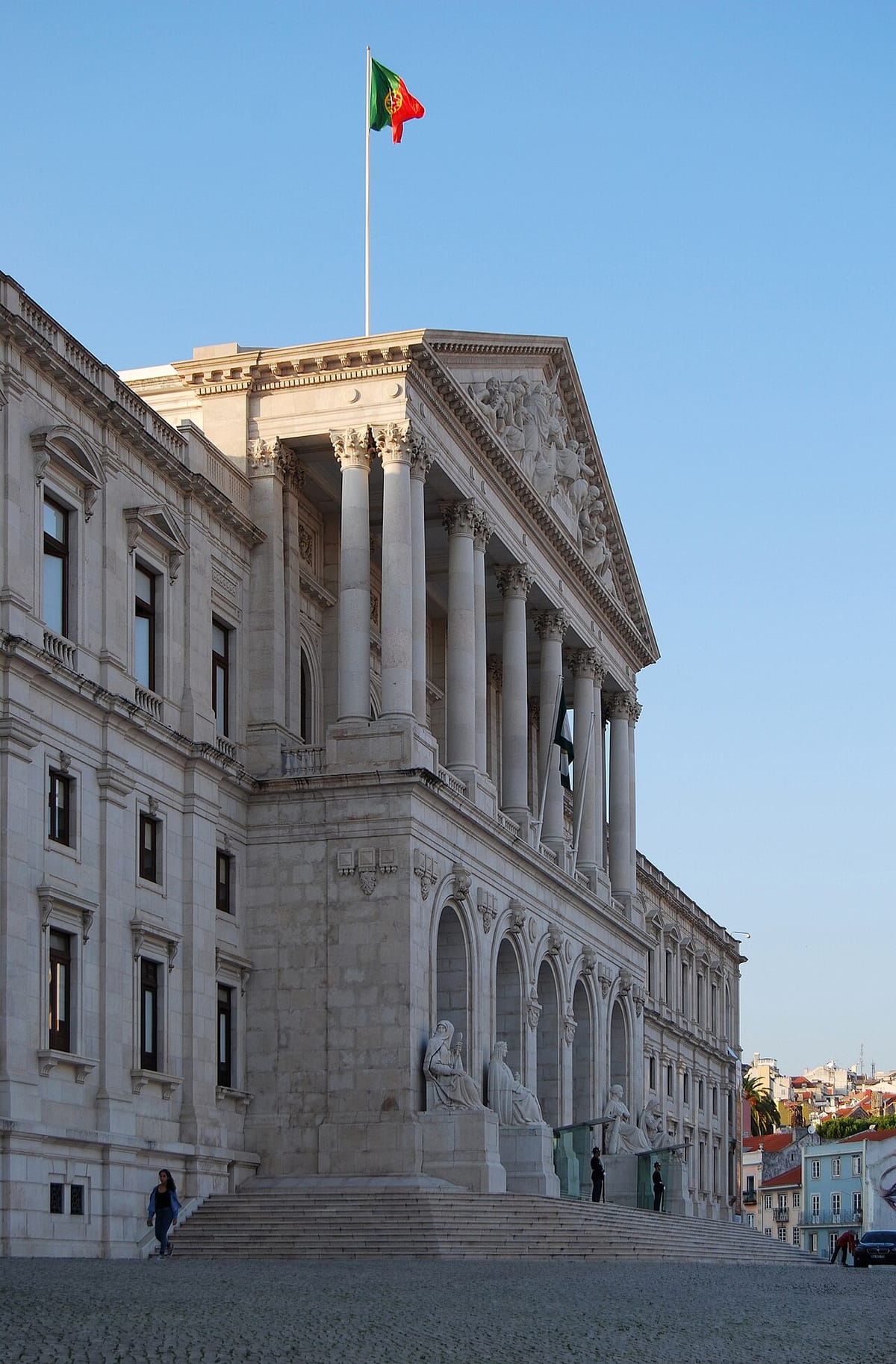
What does the Portuguese state do with 71 shares in a telecoms company? Not much, its finance minister concluded this week — and so it intends to sell them. Joaquim Miranda Sarmento used a parliamentary hearing to confirm that the government will offload a clutch of “absolutely residual” corporate holdings, tiny stakes it has accumulated over the years and which serve no strategic purpose, as part of a wider tidying-up of the state’s presence in the economy.
The stakes in question are almost comically small. The state holds just 71 shares in NOS, the telecoms and media group, and about 0.25% of CTT, the postal operator Correios de Portugal, along with a position in the match-maker Fosforeira Portuguesa and a handful of other minor holdings. “We will sell those stakes that are absolutely residual,” Sarmento told deputies, adding the obvious rhetorical question: what is the point of the state clinging to 71 NOS shares? He was frank that the sales will raise no meaningful revenue; the exercise is about principle and housekeeping, not cash.
The minister, accompanied by State Secretary João Silva Lopes, promised to hand Parliament the same day a working-group report distinguishing the holdings the state considers strategic from those it regards as disposable — the document that underpins the sell-off. The residual telecoms and postal stakes fall firmly in the second column.
Alongside the small change, the government is reviving a more consequential sale: the Hospital da Cruz Vermelha (Red Cross Hospital) in Lisbon is to be put back on the market. That private hospital is owned 55% by the Santa Casa da Misericórdia de Lisboa (Holy House of Mercy of Lisbon) and 45% by the state holding company Parpública. An earlier attempt to sell it collapsed because of the hospital’s poor financial condition; since then, officials say, it has been rehabilitated and returned to health, making a fresh sale process viable.
The disposals do not stop there. Sarmento indicated that the sale of the Autódromo do Estoril (Estoril racing circuit) is also under way, with a market consultation already open to gauge interest in the motorsport venue west of Lisbon.
Taken together, the moves sketch a government trying to draw a cleaner line between the assets the state should hold and the odds and ends it has simply never got round to selling. That impulse runs in parallel with a much larger project the finance ministry has floated — a sovereign wealth fund to manage public assets more actively — and with the perennial, more politically charged debates over the future of bigger holdings in banking, energy and transport, which are not part of this residual clear-out.
For now, the headline is deliberately modest. Nobody expects the sale of 71 shares to move the public finances, and the Hospital da Cruz Vermelha and Estoril transactions will each take their own course. But the message the minister wanted to send is that the state is auditing what it owns, share by share, and is prepared to let go of the pieces that no longer serve a purpose.