The Jesuit Refugee Service Calls On Portugal to Revive Suspended EU Resettlement Programmes as the 1951 Refugee Convention Turns 75
On the 75th anniversary of the 1951 Refugee Convention, the Jesuit Refugee Service is urging Lisbon to reactivate the EU resettlement and relocation programmes Portugal suspended, citing administrative strain. Director André Costa Jorge invokes Aristides de Sousa Mendes and Portugal's self-image as
Seventy-five years to the day after the world agreed the treaty that defines who counts as a refugee, a Portuguese charity is urging the government to reverse its retreat from Europe's refugee-sharing schemes.
The 1951 Refugee Convention was adopted in Geneva on 28 July 1951, and its anniversary has given André Costa Jorge, director of the Serviço Jesuíta aos Refugiados (JRS, the Jesuit Refugee Service) in Portugal, a platform to press a pointed request. He wants Lisbon to resume the European cooperation mechanisms it has stepped back from — specifically the resettlement and relocation programmes through which Portugal had, for years, agreed to take in people fleeing war and persecution.
Those commitments, Costa Jorge says, were suspended unilaterally. The government has justified the pause by pointing to administrative strain — an inability, it argues, to process asylum seekers fast enough — but the JRS director disputes that reasoning, framing the withdrawal as a retreat from a tradition Portugal has long claimed as its own.
A country that "characterised itself" by solidarity
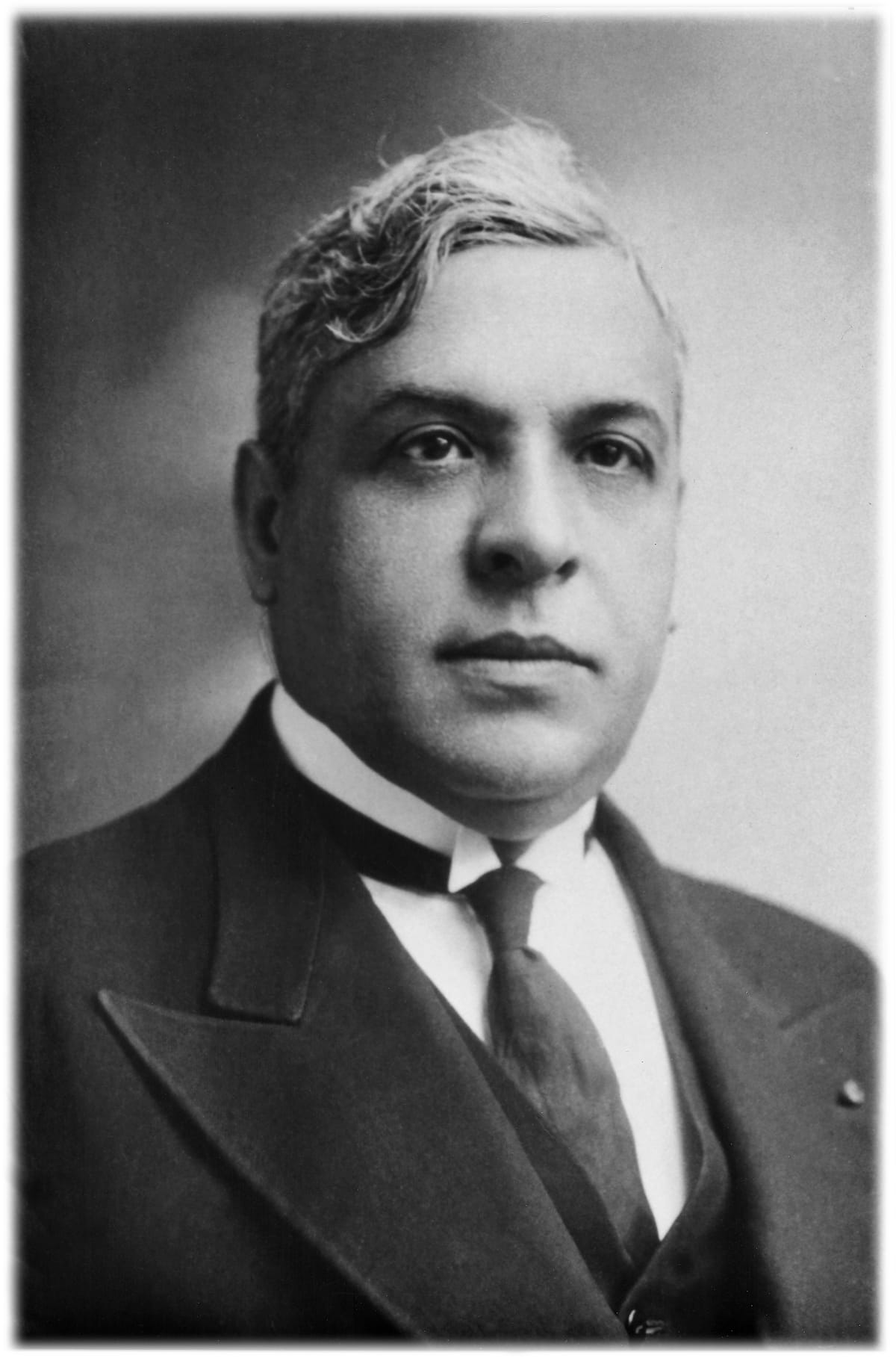
"It would be very good if the government could take up again what has always characterised us as a country of solidarity," Costa Jorge said, invoking a national self-image that Portugal returns to often. He reached, too, for its most durable symbol: Aristides de Sousa Mendes, the consul in Bordeaux who defied the Salazar dictatorship's orders in 1940 to issue thousands of visas to refugees fleeing the advancing German army, and who paid for it with his career.
The appeal lands against a global backdrop of record displacement. Figures from the UN refugee agency (ACNUR in Portuguese) cited in June put the number of forcibly displaced people worldwide at around 118 million, a total that keeps climbing as conflicts persist and few new resettlement places open up.
Falling asylum numbers, contested causes
Portugal's own asylum figures have been falling, and here the government and its critics part ways over what that means. Officials attribute the decline partly to alternative legal routes into the country, notably the manifestação de interesse (the "expression of interest" channel that has allowed many migrants to regularise their status through work). Refugee advocates counter that a drop in applications is not the same as a drop in need, and that quietly suspending resettlement closes one of the few safe, legal doors for the most vulnerable — people who cannot simply buy a plane ticket and find a job.
The dispute sits within a wider hardening of Portugal's migration debate, which over the past year has brought tighter rules, a reorganised immigration authority and sharper political rhetoric. For the JRS, the Convention's 75th anniversary is less a moment for celebration than a prompt: a reminder, Costa Jorge suggests, that the principles Portugal signed up to in 1951 are meant to be acted on, not merely commemorated.