The Government's 100-Point Labour Overhaul Heads to Parliament as the Minimum Wage Path Points to €970 in 2027
The government's 100-plus-change labour-code overhaul is before Parliament, with the Social Concertation due to meet on 15 July. The minimum wage is set to rise to €970 in 2027, though the minister has not ruled out going higher.
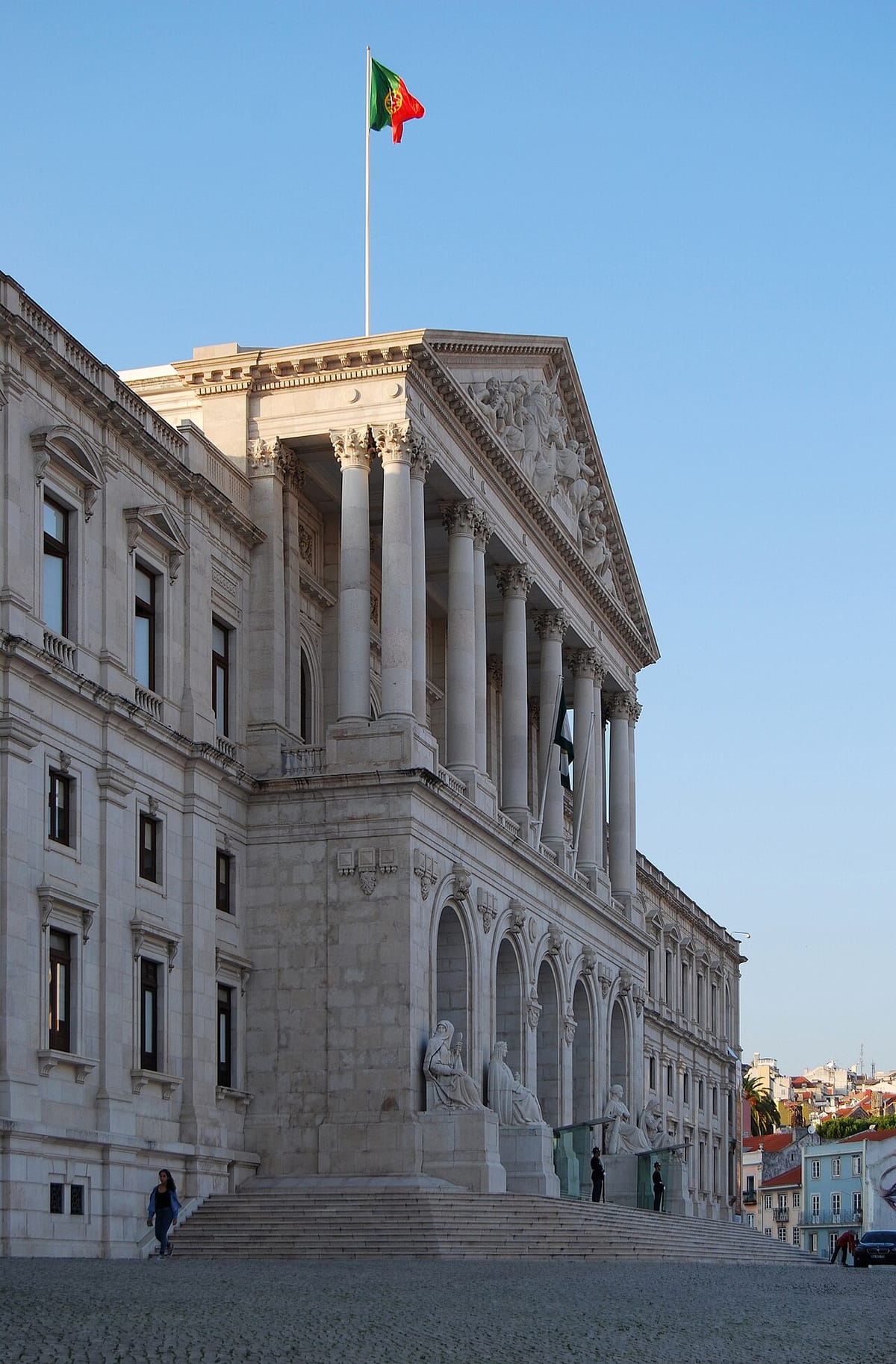
Portugal's most contentious economic reform of the year is heading for a decisive stretch. The government's overhaul of the labour code — a package of more than 100 changes — is now before Parliament, and the social partners are due back at the table on 15 July for a meeting of the Concertação Social (Social Concertation), the tripartite forum where the state, employers and unions thrash out workplace policy.
The reform reached Parliament the hard way. After more than nine months of negotiations that failed to produce a deal, the government approved the proposal in the Council of Ministers and sent it to lawmakers on its own authority. The country's largest union confederations declined to sign, and the split has coloured the debate ever since, with ministers arguing the public wants the labour law modernised and critics warning the changes tilt the balance toward employers.
What is on the table
The proposals touch nearly every corner of working life. Among the most-debated measures are a scheme to let workers effectively buy or sell holiday days, a loosening of the ban on outsourcing work in the two years after a collective dismissal, longer permitted durations for fixed-term contracts, and simplified procedures for individual dismissals. Changes to how collective-bargaining agreements lapse and renew are also in the mix — a technical point with outsized consequences for how pay and conditions are set across whole sectors.
Supporters cast the package as a way to make hiring more flexible and reduce the wall of red tape that, they argue, discourages firms from taking on permanent staff. Opponents see an erosion of protections built up over decades, and the dispute has spilled into unusually public friction between the government and other institutions over how the process has been handled.
The wage backdrop
Running alongside the code reform is the question of pay. A separate tripartite agreement already maps out a rising minimum wage — €920 a month in 2026, €970 in 2027 and €1,020 in 2028. But the Labour Minister, Maria do Rosário Palma Ramalho, has pointedly declined to rule out pushing the 2027 figure higher than the agreed €970, saying that is something the government will evaluate. Any move above the pencilled-in path would have to be negotiated with employers and unions, making the July concertation meeting a natural venue to test the mood.
The stakes are wider than they might appear to newcomers. The minimum wage now anchors the pay of a large share of Portuguese workers, and the labour-code changes reshape the rules for everyone else. Recent findings that up to a third of private-sector employees are bound by non-compete clauses, and that women still earn €244 a month less than men, are reminders of how much the fine print of employment law shapes real incomes.
For the many foreign residents who work for Portuguese employers or run businesses that hire locally, the outcome is not academic. It will determine how easily staff can be taken on and let go, how long temporary contracts can run, and what the baseline wage will be for the lowest-paid. The 15 July meeting will not settle the reform — that is Parliament's job — but it will signal how far apart the sides remain as the decisive votes approach.