The Buçaco Forest Earns Certification as the Iberian Peninsula's First Therapeutic Forest, to Be Formalised on 17 July
The Mata Nacional do Buçaco is being certified as the first 'therapeutic forest' on the Iberian Peninsula, formalised on 17 July. Built on the Japanese idea of 'forest bathing', it turns one of Europe's finest planted woods — 105 hectares, some 250 species, a Napoleonic battlefield and a palace hote
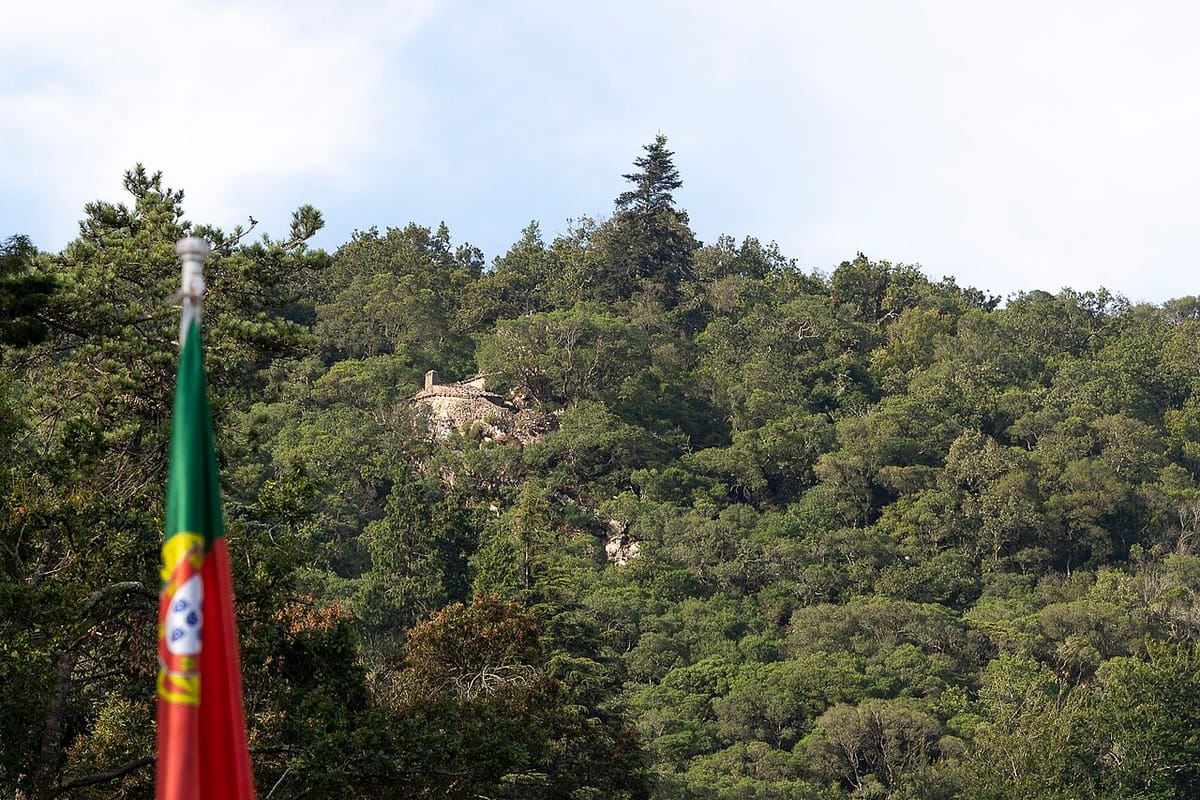
One of Portugal's most storied woodlands is about to gain an unusual new title. The Mata Nacional do Buçaco (the Buçaco National Forest, near Luso in central Portugal) is being certified as the first "Therapeutic Forest" on the Iberian Peninsula, with the formal award reported for 17 July 2026. It is a designation built on a simple idea — that time spent slowly and mindfully among trees is good for you — and one that Portugal is turning into a nature-and-wellness tourism draw.
The certification comes from the Healing Forest International Certification Office, the body that vets and accredits therapeutic forests worldwide. According to the Fundação Mata do Bussaco (the Buçaco Forest Foundation), which developed the candidacy together with the nature-tourism agency Destinature, the award places Buçaco among a small group of just four such forests recognised globally.
What a "therapeutic forest" actually is
The concept grows out of shinrin-yoku — Japanese for "forest bathing" (banho de floresta in Portuguese) — a practice of unhurried, sensory immersion in woodland: walking slowly, breathing deliberately, and paying attention to sight, sound, smell and touch rather than covering distance. To be certified, a forest is assessed against criteria including air quality, the accessibility of its trails, the diversity of its landscape, and the availability of guided activities led by trained professionals.
Advocates link the practice to benefits such as reduced stress, lower blood pressure, better mood and a strengthened immune system. Those claims come from the Foundation and from the broader field of forest-therapy research rather than from a Portuguese health authority, and are best read as the rationale behind the programme rather than settled medical fact. What is not in dispute is that Buçaco offers an exceptional setting for it.
Why Buçaco
The forest packs remarkable variety into roughly 105 hectares of walled woodland, holding around 250 species of trees and shrubs — among them the endemic cedro-do-buçaco — in what botanists rate as one of Europe's finest dendrological collections. That richness is no accident: the wood was planted from the early 17th century by the Order of Discalced Carmelites, who built the Convent of Santa Cruz do Buçaco around 1628 and protected the trees so strictly that a papal bull once forbade cutting them.
Layered on top of the botany is a dense human history. Buçaco was the site of the Battle of Buçaco on 27 September 1810, when Wellington's Anglo-Portuguese army turned back Masséna's French forces during the Peninsular War. And rising from the middle of the trees is the neo-Manueline Palace Hotel do Buçaco, a five-star landmark built from 1888 on the site of the old convent and former royal hunting lodge. The forest is classified as a National Monument (under Decreto n.º 5/2018) and is a candidate for UNESCO World Heritage status.
A slow-burn project
The certification is the culmination of a multi-year effort rather than an overnight decision — the Foundation was describing the process as all but concluded as far back as late 2024, awaiting final paperwork. Its current president, Gonçalo Breda Marques, frames the award as positioning Portugal in an emerging market for nature-based health and wellness travel, feeding Buçaco into a wider tourism route built around the region's forests, thermal spas and heritage.
Details of exactly how the programme will run day to day — how many guided sessions, which trails, what it will cost visitors — have not been published. Nor has any funding figure for the certification been disclosed. (Separately, the Foundation said in June that the forest needs around €6 million for broader restoration and upkeep, an unrelated matter.)
What This Means for You
- If you like the outdoors: Buçaco is an easy addition to a central-Portugal trip — close to Luso and the thermal spa town, roughly halfway between Coimbra and the Serra do Caramulo — and the therapeutic-forest label points to guided, slow-paced ways to experience it beyond a standard hike.
- For wellness travellers: Portugal is deliberately marketing nature-and-health tourism, and Buçaco is now its flagship for it; expect forest-bathing sessions and packages tied to the surrounding hotels and spas.
- Reading the claims: the health benefits attached to forest bathing come from the programme's promoters and the wider research field, not from an official Portuguese health body — enjoy the woods, but treat the wellness science as encouraging rather than prescriptive.
However the guided programme takes shape, the underlying pitch needs little embellishment: a 400-year-old planted forest, a papal bull, a Napoleonic battlefield and a palace hotel, all inside a single walled wood — and now an official invitation to slow down and breathe it in. On the smallholder-paperwork side of the file, our guide to keeping bees in Portugal and the September declaration of holdings sets out the DGAV register, the annual declaration window and the fines for missing it.