TAP Sale Narrows to Air France-KLM and Lufthansa as Binding Bids Come Due in July
Portugal's long-running TAP privatisation reaches its decisive stage in July, when Air France-KLM and Lufthansa must table binding offers for a 49.9% stake. A government decision is expected by early September, even as the new Lisbon airport at Alcochete stays on a 2028 blueprint.
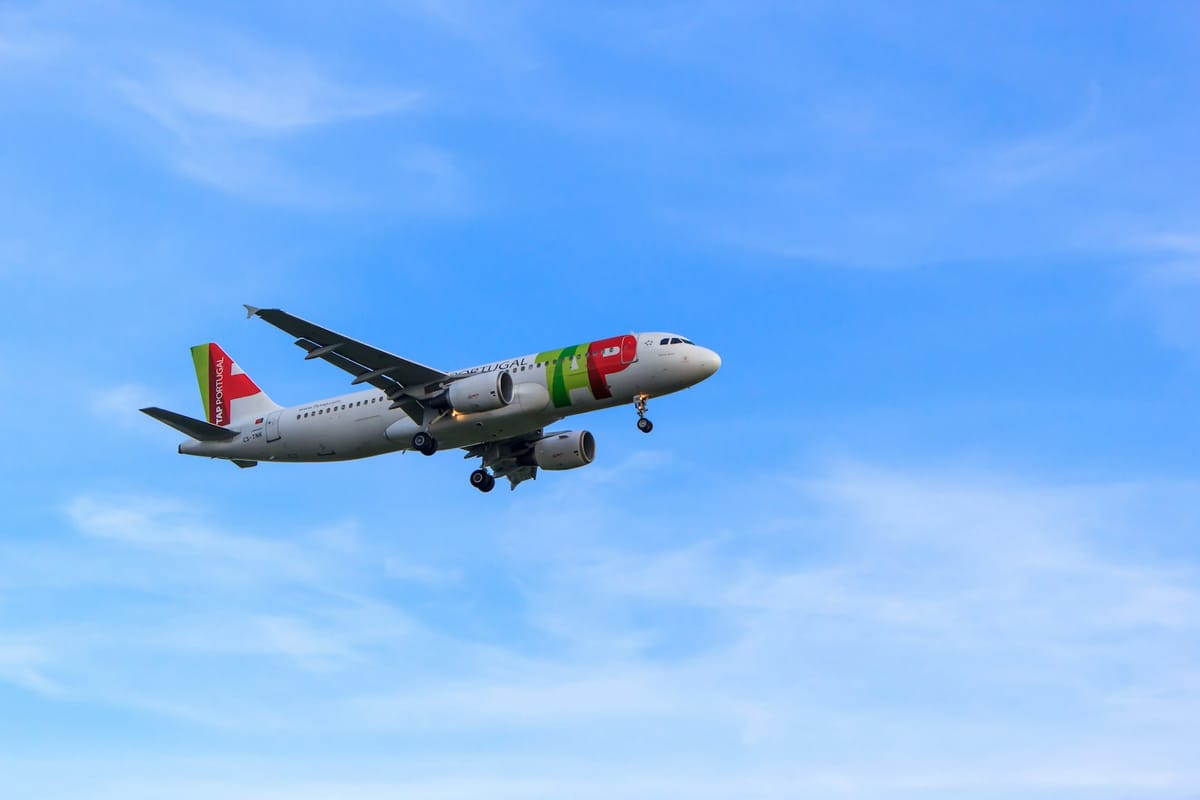
Portugal's slow-motion privatisation of TAP Air Portugal is about to speed up. After months of non-binding skirmishing, the contest has narrowed to two European giants — Air France-KLM and Lufthansa — and the government wants their binding offers on the table in July. From there, the state's holding company Parpública will assess the bids in August before handing a recommendation to ministers, who expect to decide on the sale at the end of August or the start of September.
It is the most concrete the process has looked since the centre-right government revived it. And it lands at the same moment Portugal is trying to rebuild the airport that TAP will eventually fly from — two megaprojects that ministers increasingly describe as one strategic bet on the country's place in European aviation.
What is actually being sold
The decree governing the sale puts 49.9 percent of TAP on the block: up to 44.9 percent for a strategic investor and 5 percent reserved on preferential terms for employees. The Portuguese state keeps 50.1 percent and, with it, control. That structure is itself a compromise — and the reason the field shrank. The IAG group, owner of Iberia and British Airways, wanted a majority and outright control; when it became clear Lisbon would not cede that, IAG walked away in April, leaving the Franco-Dutch and German groups as the only runners.
Both submitted non-binding proposals in April, and officials have described their industrial offers as broadly equivalent, which means price is likely to be decisive. TAP chief executive Luís Rodrigues has framed the deal as a matter of survival-by-scale, arguing the carrier needs to add 10 to 20 aircraft to its current fleet of 99 to stay competitive. Chairman Carlos Oliveira has called both bidders “reference entities” capable of adding value. The airline arrives at the auction in noticeably better shape than a year ago: it recently closed out its Brussels-mandated restructuring plan and wired €24.99 million back to the state, and it has opened a €300 million five-year bond roadshow to refinance ahead of the ownership change.
A long tail to the timeline
Even a clean decision in early September will not put a new owner in the cockpit immediately. Once Lisbon picks a winner, the transaction still needs regulatory clearances — most importantly from Brussels — which pushes the actual completion into 2027. The buyer could be granted a form of co-management as early as this year, but the strategic investor is only expected to enter TAP's capital in the summer of 2027. In other words, the headline “TAP is privatised” will arrive months before anything changes for passengers.
The airport TAP is waiting for
Behind the sale sits the question of where TAP will grow. Portugal has finally settled the decades-old airport saga on the Campo de Tiro de Alcochete (Alcochete firing range) across the Tagus, the site of the future Aeroporto Luís de Camões. Infrastructure minister Miguel Pinto Luz insists the project is advancing at a “ritmo aceleradíssimo” (a blistering pace), with airport operator ANA due to deliver the project design, the environmental-impact assessment and the economic-financial terms by January 2028. Clearing the military site of unexploded ordnance and other hazards is budgeted at around €45 million, with completion targeted for 2029.
The alternative everyone argued over for years — Montijo — is firmly dead, after a Lisbon court voided its environmental licence. In the meantime, the existing Humberto Delgado airport is being run, in the minister's own framing, as a building site, an arrangement he concedes carries a “political cost.” The strain shows: the airport ranked 274th of 279 in the 2026 AirHelp Score, even as ANA's network topped seven million passengers in May. Tourism leaders have warned the patch-up is not enough to handle current demand.
Why it matters beyond the balance sheet
For a country whose economy leans heavily on tourism and on a diaspora that flies home constantly, the ownership of the flag carrier is not an abstract finance story. A Lufthansa-controlled TAP would likely be steered toward the group's hubs and its loyalty ecosystem; an Air France-KLM TAP would tilt toward Paris and Amsterdam and the SkyTeam network. Either way, the route map, the frequent-flyer scheme and the long-haul strategy that connects Lisbon to Brazil, Africa and North America could shift — and TAP's transatlantic strength is precisely what makes it attractive to a buyer.
What This Means for Expats
- Routes and connections: if you rely on TAP's links to Brazil, the United States or Lusophone Africa, expect the eventual owner to reshape the network around its own hubs. Nothing changes before 2027, but the strategic direction will be set this autumn.
- Frequent-flyer miles: TAP's Miles&Go programme could be folded into a larger alliance currency. If you hold a balance, keep an eye on transfer and devaluation terms once a buyer is named.
- Airport experience: the real relief is years away. Until the Alcochete airport opens, budget extra time at Humberto Delgado, especially at the border. Know your EU passenger-rights entitlements if delays hit.
- Fares and competition: a well-capitalised owner expanding the fleet could mean more seats and steadier service, but consolidation across Europe rarely makes flying cheaper. Watch how Lisbon's slot capacity is shared once the new airport scales.
By early September, Portugal should know which European carrier will hold the keys to TAP — and, by extension, how the country's main aviation gateway will be positioned when the Luís de Camões airport finally opens next decade. For now, the meter is running on both clocks at once: a July bid deadline, and a 2028 blueprint that the whole privatisation is, ultimately, flying toward.