TAP Privatisation Bid Calculus Tilts Toward a September Decision — Air France-KLM and Lufthansa Square Off Over the 44.9% Strategic Slot as SPAC Flags Labour-Stability Risk on the Star Alliance Side
The TAP privatisation file moves from indicative to binding with a September 2026 decision window. Air France-KLM (SkyTeam) and Lufthansa (Star Alliance) face off for the 44.9% strategic slot as SPAC sharpens the labour-stability risk on the Lufthansa side.
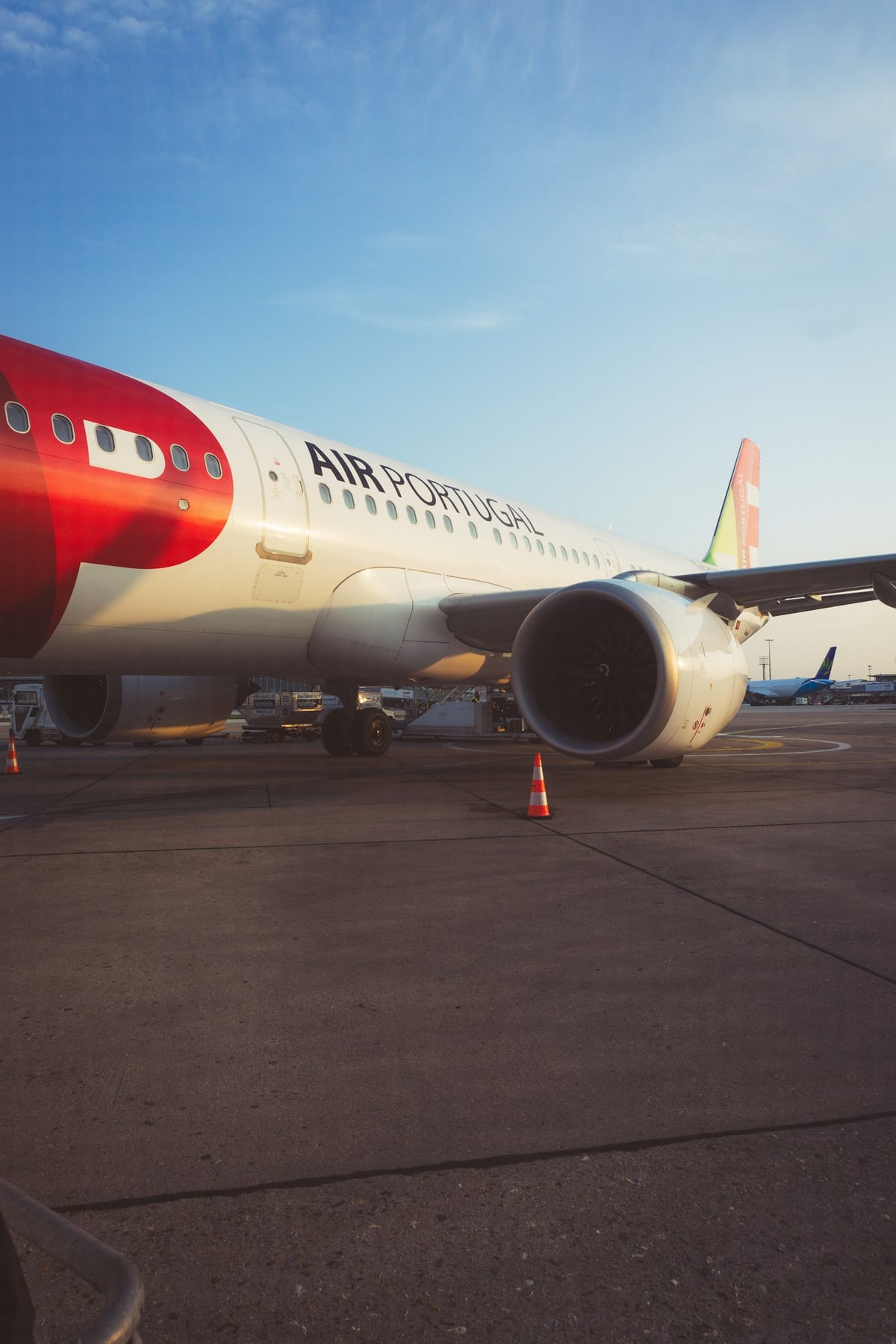
The TAP privatisation file has moved from indicative to binding, and the binding window now runs into September 2026. The government's authorisation to advance, signed in Conselho de Ministros on 23 April, sets the architecture: up to 49.9% of TAP-SGPS leaves state hands in this round, split into a 44.9% strategic slot for a single private investor and a 5% ringfenced tranche for the airline's employees. Two carriers cleared the indicative phase — Air France-KLM and Lufthansa. The Iberia-British Airways parent IAG walked away in early April, telling its shareholders the deal economics did not work. The decision now in front of Lisbon is, in practice, a choice between SkyTeam and Star Alliance.
The 49.9% Architecture and Why It Matters
The state's reserved 50.1% — held through Parpública — is the political insurance policy: it locks Lisbon and Porto hub status, controls the route concession on the Brazil and PALOP corridors, and keeps the golden-share-style veto on disposal of the AOC. The 44.9% strategic equity gives the winning bidder a board lever and the operational alignment to integrate TAP into a network, but no unilateral control. The 5% employee tranche is the labour-stability hedge the government is selling against the privatisation risk SPAC has been flagging — and which the pilots' union sharpened in its Wednesday read of the Lufthansa bid.
What the Two Bids Actually Offer
The Air France-KLM proposition leans on the SkyTeam alliance — TAP is already a SkyTeam member — so the integration overhead is lower and the codeshare overlap with Air France's Paris-CDG and KLM's Amsterdam hubs reads as additive on the Brazil/PALOP feed. The risk is concentration on the Atlantic corridor and the slot-pressure profile at CDG. The Lufthansa proposition implies an alliance switch from SkyTeam to Star Alliance — operationally non-trivial — and ties TAP into the Frankfurt and Munich hub system. Lufthansa's pitch is the deeper European long-haul network and the maintenance-overhaul synergies with Lufthansa Technik. Both bids include the cash injection the recapitalised carrier still needs after the 2021–2024 restructuring; the comparable cash-on-the-table number will be the headline once the binding files land at Parpública.
The Labour-Stability Read SPAC Sharpened
SPAC president Hélder Santinhos went on the record on Wednesday 21 May to say that a Lufthansa win could trigger "um problema na estabilidade laboral" at TAP. The pilots' union frame: the integration cost of an alliance switch and the contractual rewrite the merger logic would force are larger under Lufthansa than under Air France-KLM. The 5% employee equity tranche the privatisation envelope reserves does not by itself answer that risk; it offers economic alignment, not contractual protection. Watch for parliamentary opposition to harden behind the labour-stability framing as the binding-bid window closes — it is the cleanest political line into the September decision.
What This Means for Expats
- Route network reads will move: A Lufthansa win shifts TAP into Star Alliance and changes the mileage-credit profile for residents who fly TAP regularly; an Air France-KLM win keeps the SkyTeam status quo and the Flying Blue programme.
- Brazil and PALOP corridors stay protected: The state's 50.1% retention guarantees the Lisbon hub on the South Atlantic and Lusophone-Africa rotations regardless of bidder.
- The September decision is not the closing: Even after the choice, the binding-bid award triggers regulatory clearances in Brussels and a months-long completion timetable — the operational change will not land in 2026.
- Maintenance-overhaul economics differ: Lufthansa Technik integration would reshape the Cabo Ruivo MRO base; Air France Industries integration reads as lighter on that file.
- Watch the cash number: The capital-injection figure the winning bidder commits is what the Tribunal de Contas will scrutinise — Castro Almeida's visto-prévio reform pitch would change how that audit lands.
The next procedural marker is the binding-bid filing window; the political marker is whether the Air France-KLM bid carries the labour-stability frame into the cabinet vote. Either outcome reshapes the European long-haul map.