SPAC President Hélder Santinhos Frames Lufthansa as the Labour-Stability Risk in TAP's 49.9% Privatisation — Air France-KLM Remains the Preferred Buyer for the Pilots' Union
The pilots' union Sindicato dos Pilotos da Aviação Civil (SPAC) sharpened its position on the TAP privatisation on Wednesday, with president Hélder Santinhos telling Público that the bid from Lufthansa would create "um problema na estabilidade...
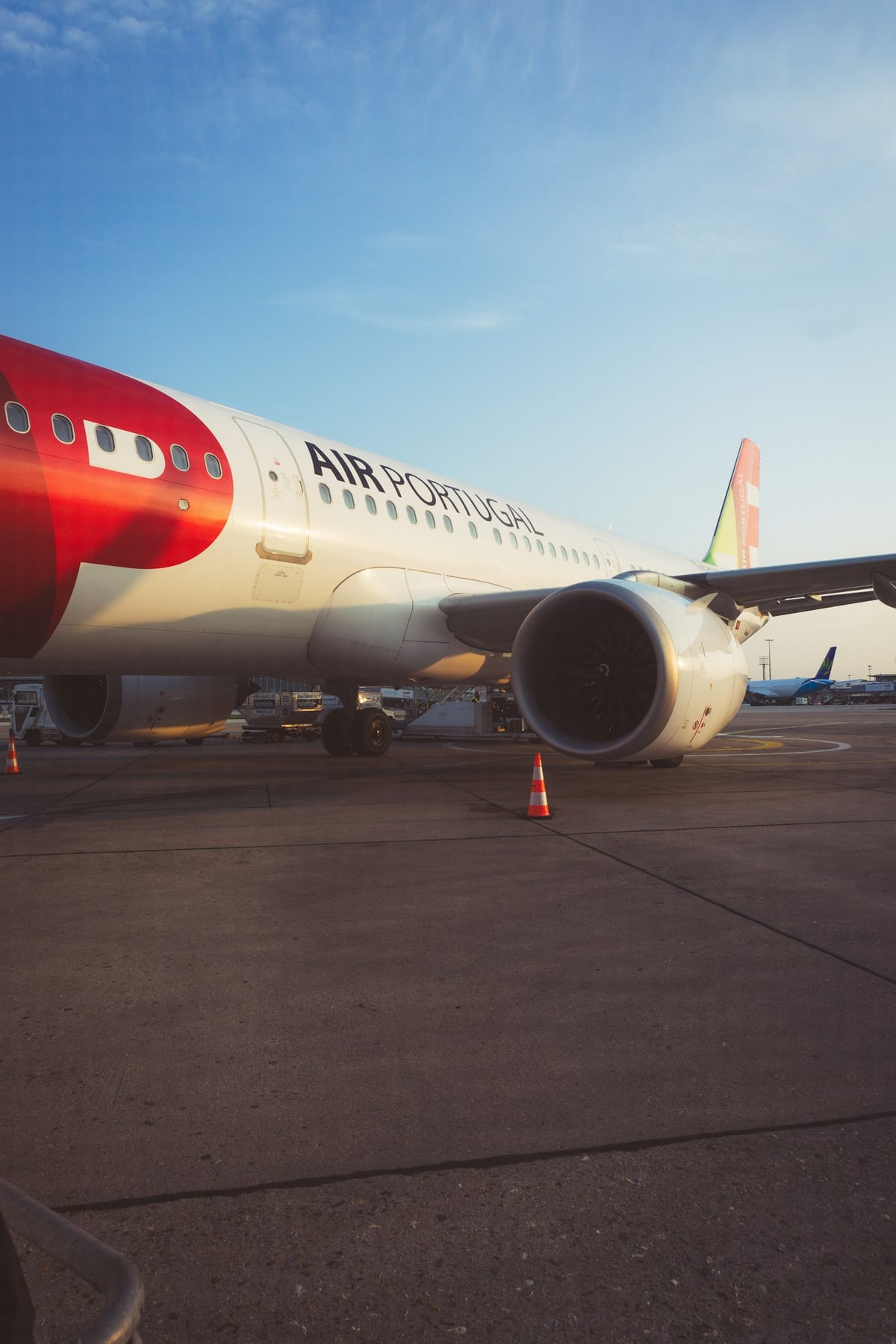
The pilots' union Sindicato dos Pilotos da Aviação Civil (SPAC) sharpened its position on the TAP privatisation on Wednesday, with president Hélder Santinhos telling Público that the bid from Lufthansa would create "um problema na estabilidade laboral" if it wins the 49.9% stake the Estado has carved out for sale. Air France-KLM is the union's preferred buyer.
The framing matters because the SPAC has so far stayed officially neutral on the privatisation itself — Santinhos restated on Wednesday that the union prefers 100% private ownership to the current mixed model — and has therefore avoided picking sides between the three known bidders. Wednesday's statement is the first time the union has named one of the candidates as a downside risk.
The German precedent the SPAC is reading from
Santinhos based the warning on Lufthansa's record with its own German pilots' union Vereinigung Cockpit (VC). He told Público that "a relação da Lufthansa com os sindicatos é péssima" and pointed to two specific friction points: the absence of a pension-fund agreement between VC and Lufthansa, and the airline's refusal to submit the dispute to arbitration. The SPAC reads that pattern as evidence of "uma estratégia para enfraquecer o poder negocial dos sindicatos."
The pilots' union also noted the operating model Lufthansa has used at its acquired regional carriers — Brussels Airlines, Austrian, and Swiss — where pilot pay scales sit below mainline Lufthansa rates and where collective-bargaining cycles run separately. SPAC's concern is that an integration along the same lines would lock TAP pilots into a lower-tier rung of the group structure with limited movement upward.
The 49.9% structure
The Estado's privatisation decree puts 49.9% of TAP SGPS up for sale, with 5% of the headline stake reserved for the carrier's workforce under a co-investment vehicle. The remaining 45.1% reaches the winning bidder directly. The three bids in front of the Council of Ministers are Lufthansa, Air France-KLM, and a third, smaller European combination that the government has so far declined to identify publicly.
A capital increase that would dilute the state's residual position has been signalled by both the Pinto Luz transport ministry and the Ministério das Finanças but is not in the current decree. The SPAC's reading is that any such second-stage increase favoured by Lufthansa would be the moment a labour-relations dispute would crystallise.
What the unions actually want
SPAC's preference for Air France-KLM rests on the existence of a single Europe-wide collective agreement at Air France that covers pilots from across the group, with internal mobility paths that the union argues a Lufthansa-style structure would close off. The Sindicato Nacional do Pessoal de Voo da Aviação Civil (SNPVAC) for cabin crew has not yet publicly endorsed either bidder, but its president Ricardo Penarroias has flagged similar concerns over the past month.
The Council of Ministers is expected to decide between the three bids before the summer recess. The 3 June general strike called by the CGTP has added a separate pressure point: SPAC has not formally joined the stoppage, but the union has confirmed that any individual pilot who chooses to adhere will not face internal sanction.